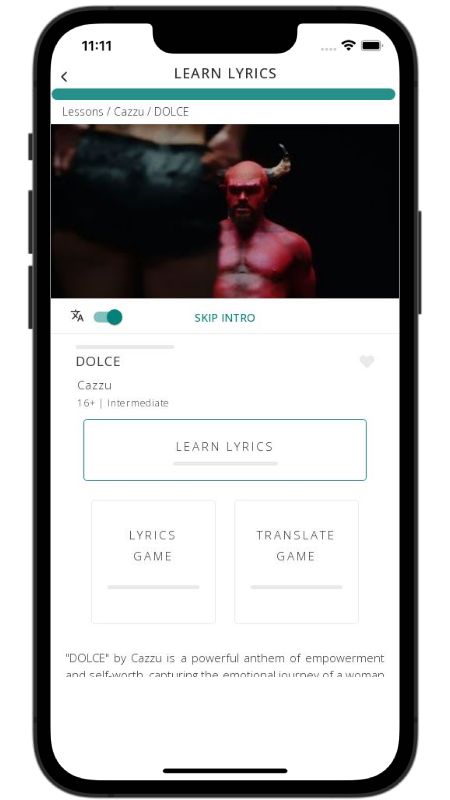
DOLCE Lyrics in English by Cazzu
Coronado literally means "crowned," but in a modern context, especially in urban music, it often signifies having achieved great success, wealth, or status—like reaching the top or winning.
In Cazzu's song, she asserts her independence and self-made success, singing, "Mucho antes de conocerte, yo ya había coronado" (Long before I met you, I had already succeeded/been crowned). This powerful word highlights her self-sufficiency and triumph, making it a compelling and aspirational term for learners.
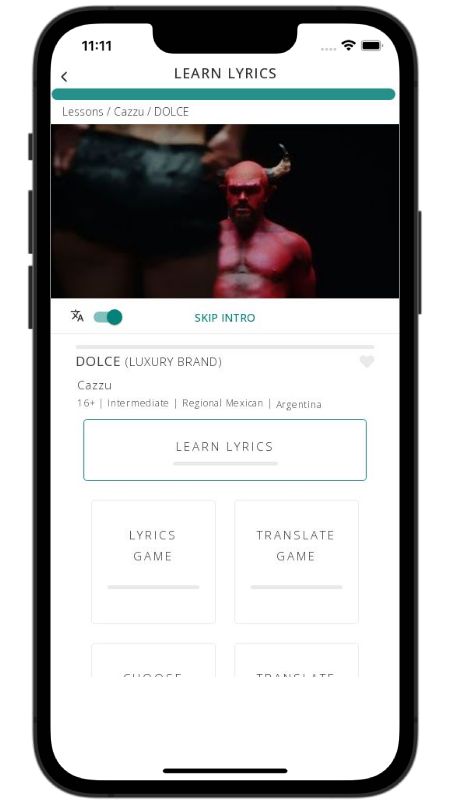
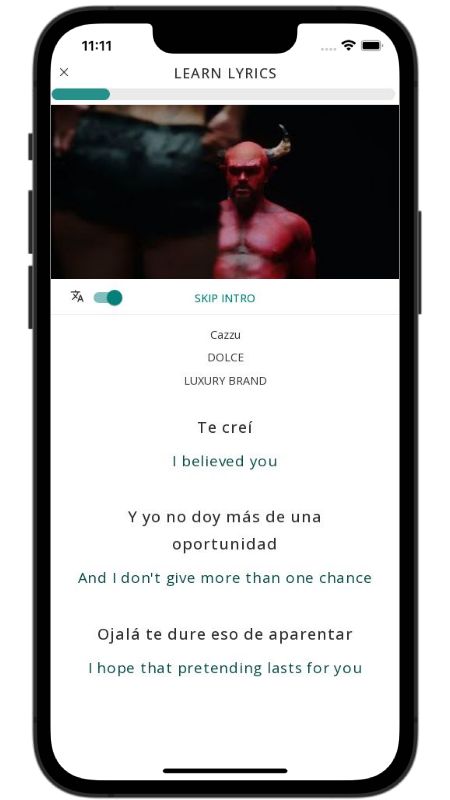
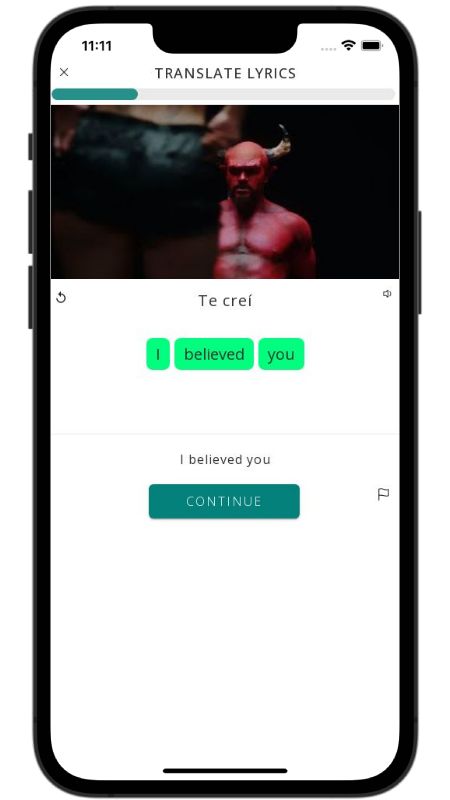
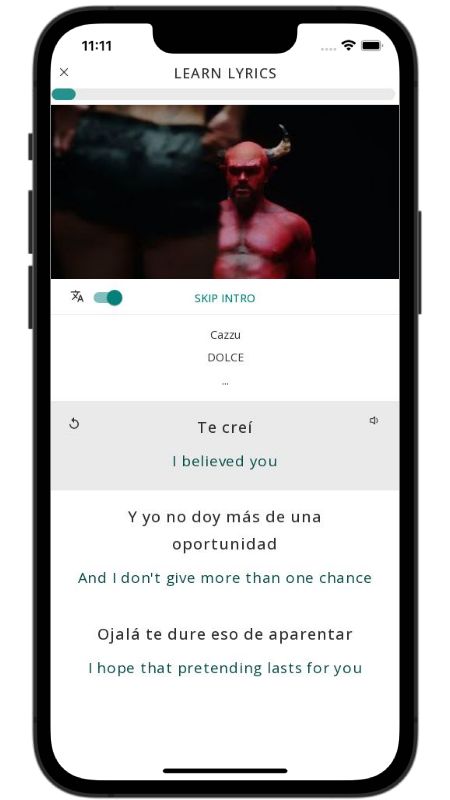
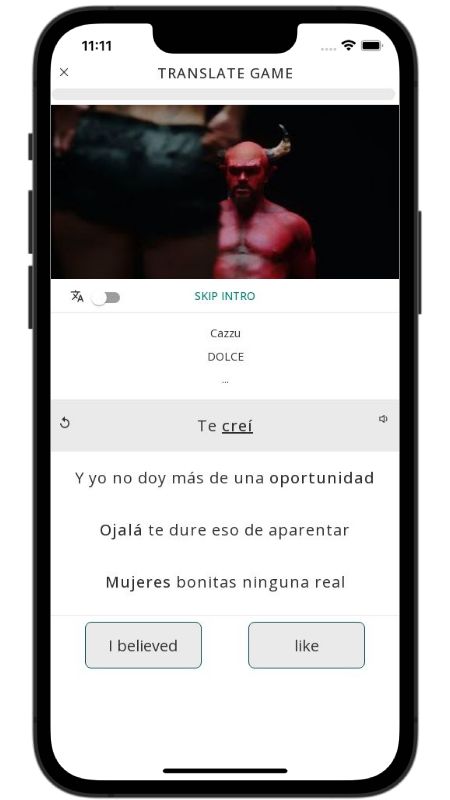
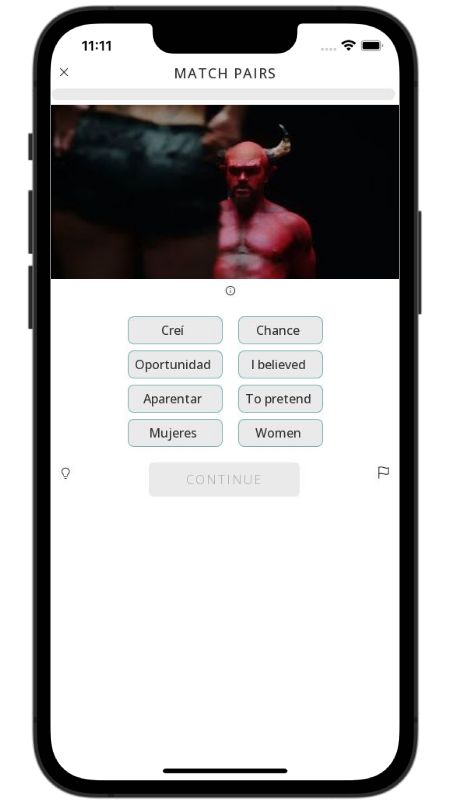
Argentine trap and reggaeton star Cazzu is completely done being played for a fool, and she wants her ex to suffer a little. In DOLCE, she makes her rule crystal clear from the start: "yo no doy más de una oportunidad" ("I don't give more than one chance"). She trusted him, he blew it on fake appearances, and now her plan is straight-up payback. She warns him with "sé bien qué hacer para hacerte llorar / A ver si aprendés a valorar" ("I know exactly what to do to make you cry / Let's see if you learn to appreciate me"). Her revenge isn't sitting at home crying, either. She throws on the exact luxury Dolce & Gabbana outfit that stole his heart in the first place—"ese vestido Dolce / Que ya saben, me queda tan bien / Con el mismo que te enamoré" ("that Dolce dress / that everyone knows fits me so well / the same one I made you fall in love with")—and disappears into the night where he can never reach her.
What makes the track hit so hard is how she dismantles his ego. He tried to win her over with status symbols, but she shuts that down fast: "Si ya tengo mi Mercedes, ¿pa qué quiero la G Wagon? / Me quería dar diamantes, ya me los había comprado" ("If I already have my Mercedes, why do I want the G-Wagon? / He wanted to give me diamonds, I had already bought them myself"). She reminds him that "yo ya había coronado" (literally "I had already crowned," an everyday Latin American slang term meaning she had already made it, succeeded, or hit the jackpot) long before she met him. She does not need his money, and she definitely does not need his drama—especially when she is the one who taught him everything he knows ("lo que sabes te lo enseñé yo").
























![Peli-Culeo [Remix] Lyrics Translation](https://img.youtube.com/vi/lPEETy25iug/mqdefault.jpg)