En Qué Brazos Estará Lyrics in English by Corazón Serrano
Andará is a form of the verb andar, which means 'to walk' or 'to go about'. While similar to caminar (to walk), andar often has a more casual, wandering sense, like 'to be around' or 'to hang out'.
In the song, the singer uses the future tense to express doubt and wonder about the present. She asks, "¿Dónde andará?" and "¿Con quién ahora andará?", meaning 'Where could he be?' and 'Who might he be with now?'. This use of andará beautifully captures her heartache and uncertainty about her lost love.
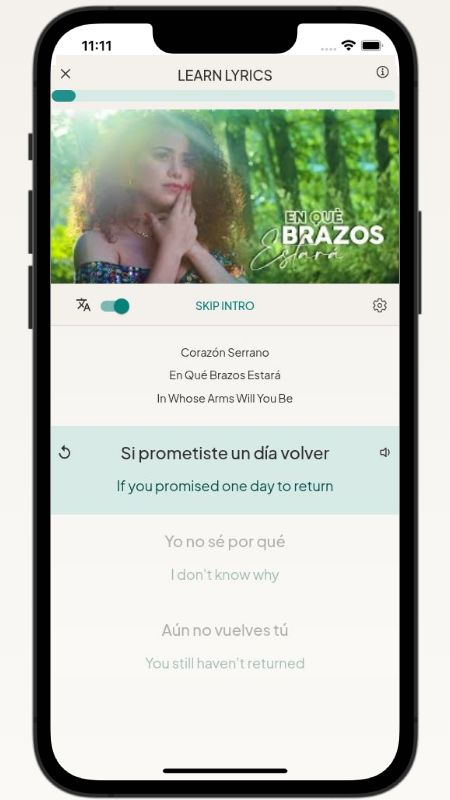
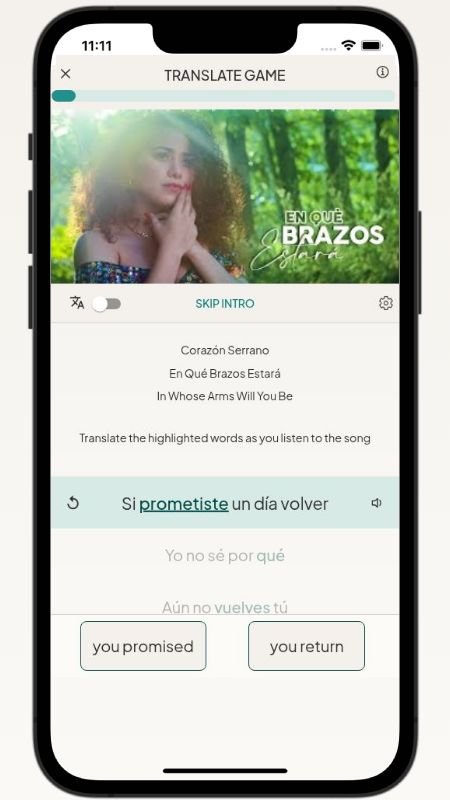
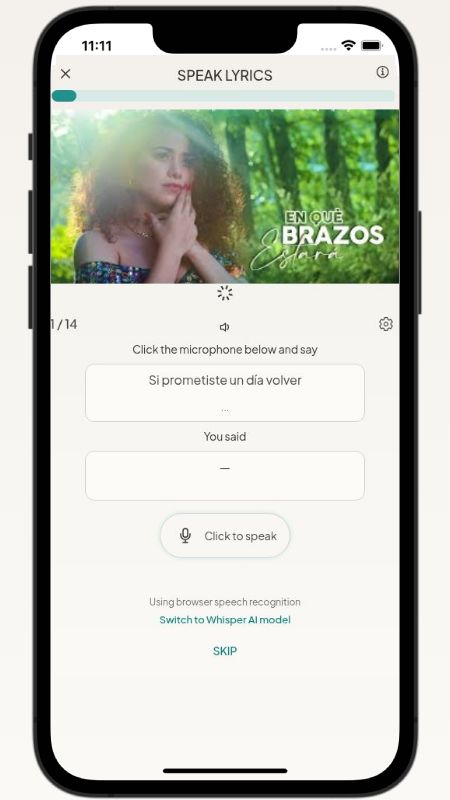
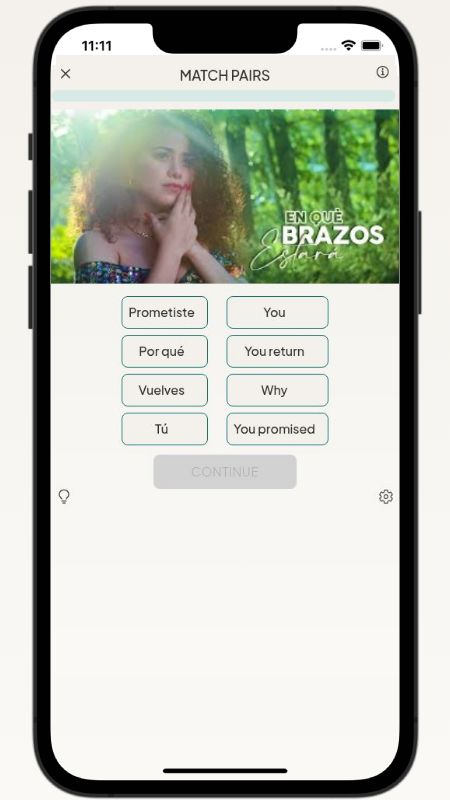
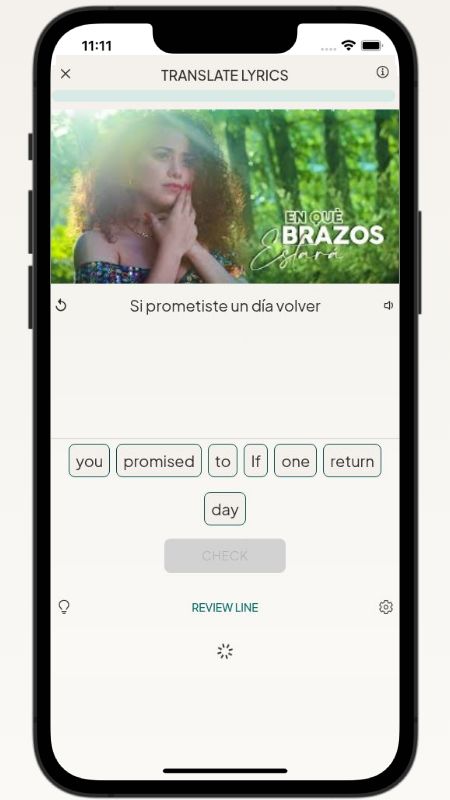
Have you ever waited for someone who promised to come back, only to realize years have slipped by? That exact frustration drives this cumbia hit by the Peruvian group Corazón Serrano. The singer is stuck wondering why an old flame never returned after swearing they would. She confronts this broken promise directly with the line, Si prometiste un día volver, yo no sé por qué aún no vuelves tú ("If you promised to return one day, I don't know why you still haven't come back"). Instead of moving on quietly, she is left spiraling through endless questions about what happened to him.
The chorus turns that lingering curiosity into an infectious beat, piling on question after question. She asks, ¿Qué será de su vida? ("What will become of his life? / What is going on with his life?") and wonders ¿Con quién ahora andará? ("Who is he hanging around with now?"). In everyday Spanish, the verb andar literally means to walk, but here it acts as a casual way to ask who someone is dating or spending their time with. By the time she asks ¿En qué brazos estará? ("In whose arms will he be?"), you can tell she is torn between missing him and obsessing over who replaced her.