Vuelve Lyrics in English by Danny Ocean
Urges comes from the verb urgir, which means 'to be urgent'. It's a more intense and dramatic way to say 'I need you' than the more common te necesito.
In the song, Danny Ocean sings "Me urges aquí dentro de mí", which literally translates to 'You are urgent to me here inside of me'. This powerful phrasing conveys a desperate, immediate need for his lover to come back, as if their absence is a physical emergency.
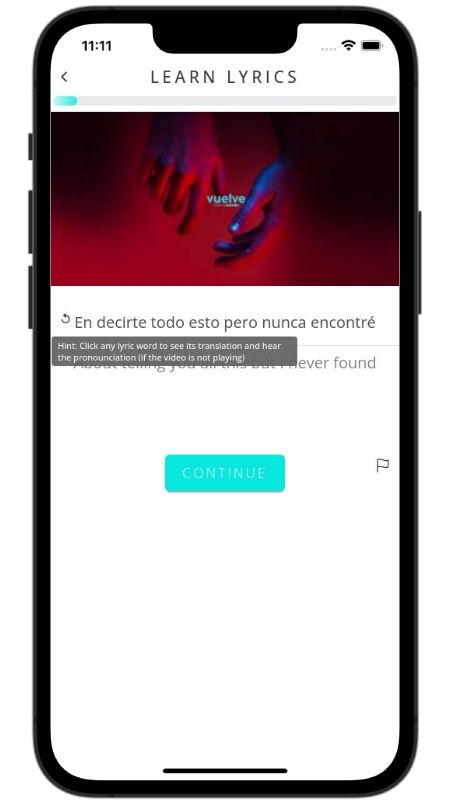
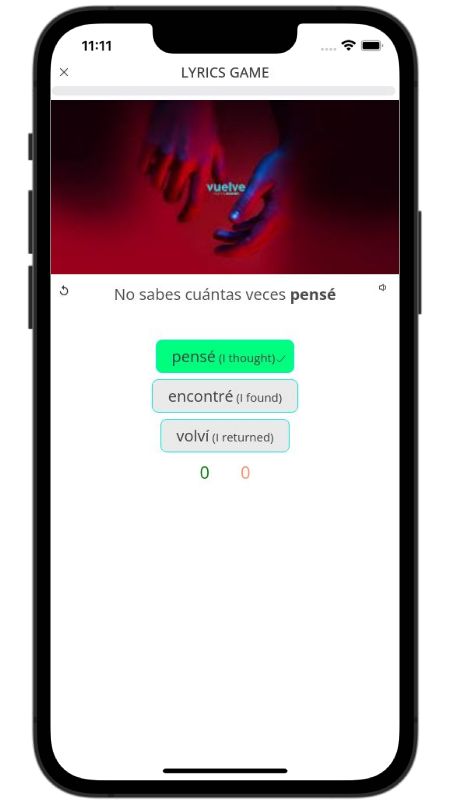
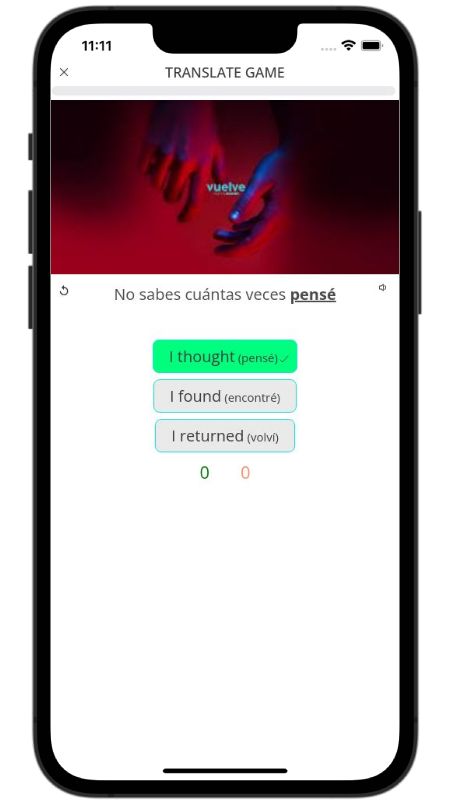
Venezuelan singer Danny Ocean delivers an obsessive plea in "Vuelve", built completely around the fact that his head is spinning too fast for real conversation. He admits right off the bat that he kept waiting for the right moment to speak, confessing: "No sabes cuántas veces pensé / En decirte todo esto pero nunca encontré / El momento perfecto" ("You don't know how many times I thought / About telling you all this, but I never found / The perfect moment"). Time drags painfully without her—"Cada segundo es un mundo" ("Every second is a whole world")—and his brain short-circuits. Instead of drafting a clever speech, he claims he is entirely out of vocabulary, looping the blunt excuse "palabras no tengo" ("I have no words") so he can skip talking and jump straight to kissing her instead.
His desperation turns pushy in the best kind of danceable way. He hits her with an intense line: "Me urges aquí dentro de mí" (literally "I urgently need you inside of me"), using the verb urgir to frame his longing as an emergency rather than a casual wish. Even when he acknowledges reality with "entiendo que ya no / Que lo que pasó ya pasó" ("I understand that it's no longer / That what happened already happened"), his ego won't stay quiet. He snaps right back into demanding confidence with "No me niegues, baby, que yo sé / Que nadie te ha amado como yo" ("Don't deny it to me, baby, because I know / That nobody has loved you like me"). It is a stubborn loop of pride, confusion, and an endless demand to just run back into his arms.