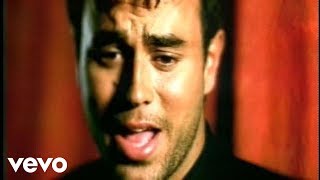
Loco Lyrics in English by Enrique Iglesias, Romeo Santos
Aurora is a beautiful and poetic word for "dawn". While amanecer is also used for dawn or sunrise, aurora evokes a more literary and romantic image, named after the Roman goddess of sunrise.
In the song, Enrique Iglesias pleads, "Que al llegar la aurora no me digas adiós" (That when the dawn arrives, you don't say goodbye to me). He uses this word to create a scene of desperate romance, fearing that the night of passion will end with the first light of day.
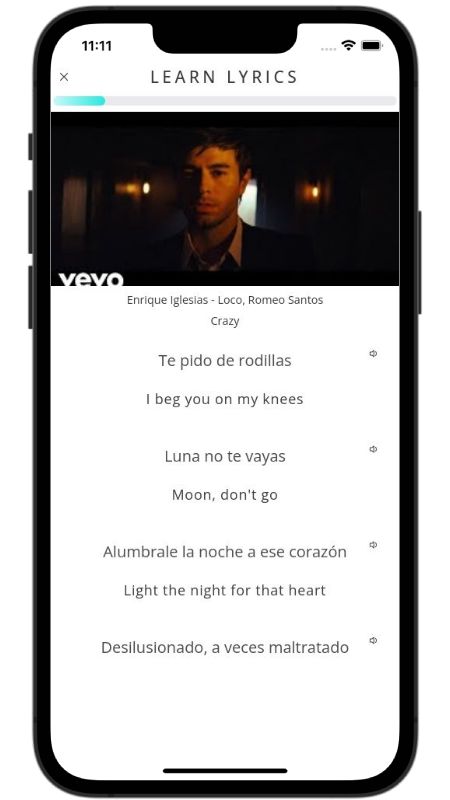
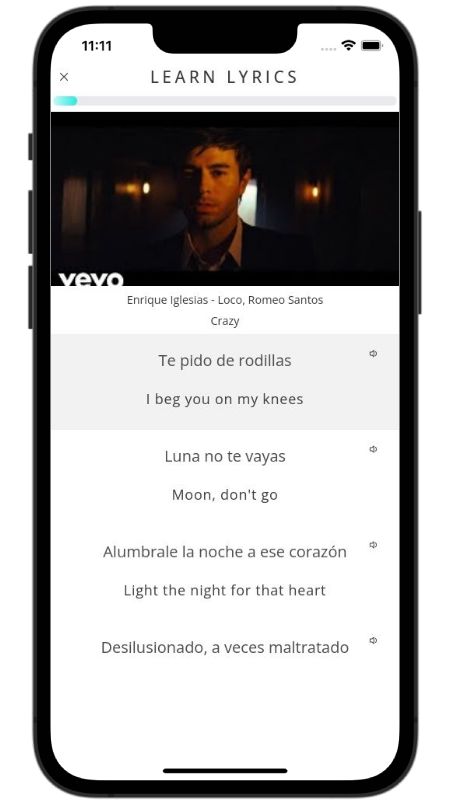
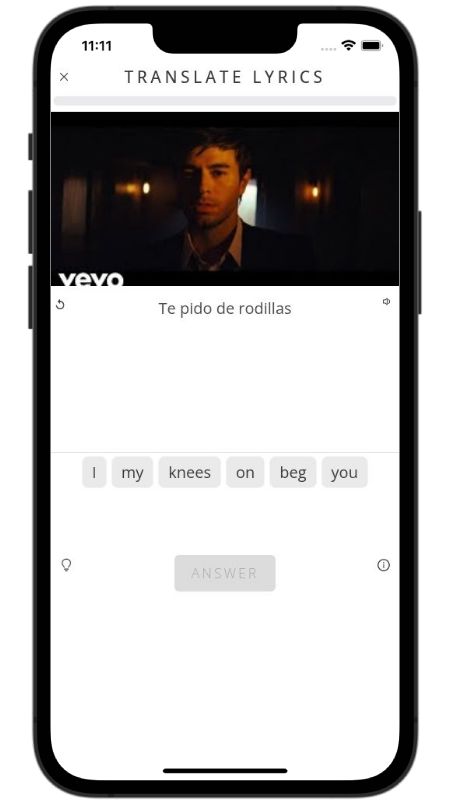
Spanish pop star Enrique Iglesias teams up with bachata legend Romeo Santos in "Loco", and both of them are completely falling apart. From the very first line, the singer is begging on his knees—"Te pido de rodillas" [I ask you on my knees]—and pleading with the moon itself not to leave ("Luna no te vayas" [Moon, don't leave]). He wants the moonlight to guide a heart that feels crushed and mistreated ("Desilusionado, a veces maltratado" [Disillusioned, sometimes mistreated]). It is dramatic, desperate, and totally obsessed. He even compares his shattered feelings to a broken instrument: "De una luna rota / Como una guitarra" [Of a broken moon / Like a guitar], wrecked by promises that fly away into thin air.
The real heart of the track is the chaotic craving for one more kiss. He admits he is going out of his mind to kiss her lips ("Loco por besar tus labios" [Crazy to kiss your lips]) so intensely that nothing stays hidden inside ("Sin que quede nada por dentro de mí / Diciéndotelo todo" [With nothing left inside of me / Telling you everything]). But watch how his begging flips into a warning: he repeats "No te perdonaré / Si me dejas solo" [I won't forgive you / If you leave me alone] and "No te perdonaré / Si me vuelves loco" [I won't forgive you / If you drive me crazy]. In Spanish, saying someone "te vuelve loco" can mean they drive you mad with love, or they literally push your mind over the edge. Here, it is both.