Así Lo Quiso Dios Lyrics in English by Eslabon Armado, Luis R Conriquez
Plebitas is a quintessential Mexican slang word, particularly from the state of Sinaloa where this style of music was born. It's the feminine, diminutive form of plebe (the common people), but it's used here as a cool, informal way to say 'girls'.
In the song, the singer gives a shout-out directly to his female fans, saying "Ahí les va, plebitas", which is like saying "This one's for you, girls!". Learning this word is a key to understanding the specific culture and vibe of modern Regional Mexican music.
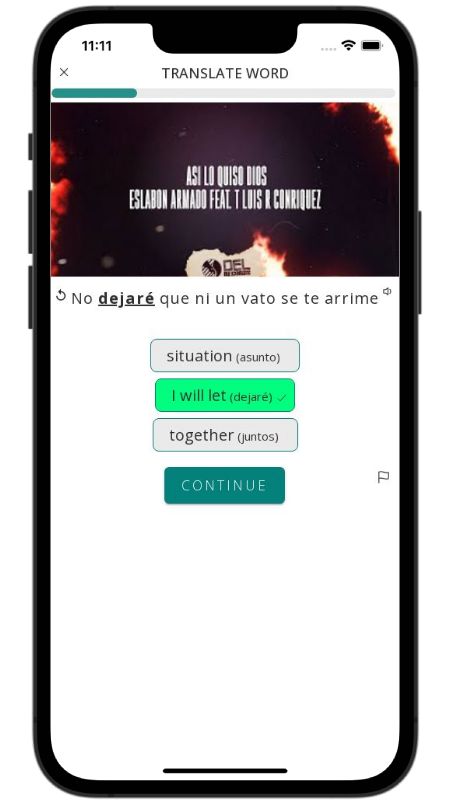
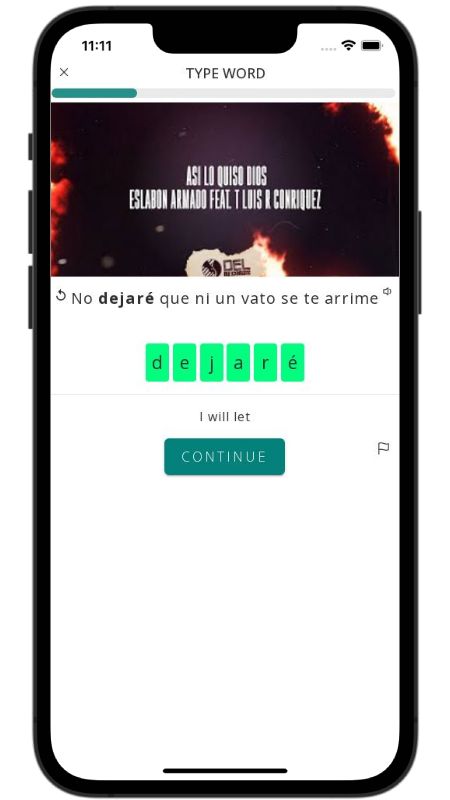
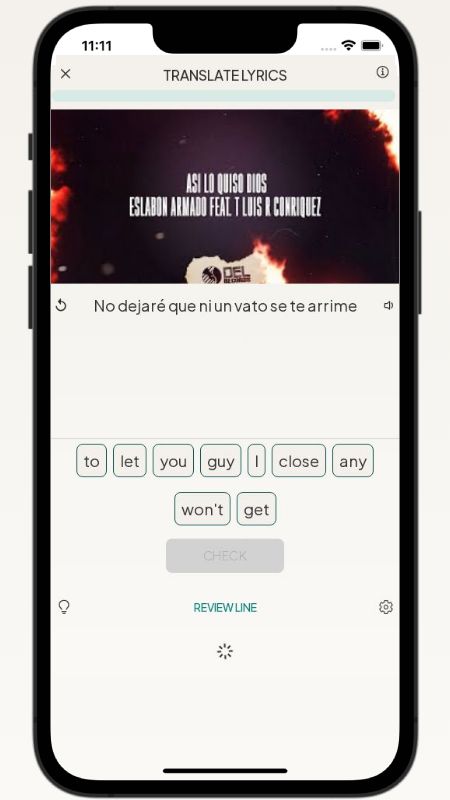
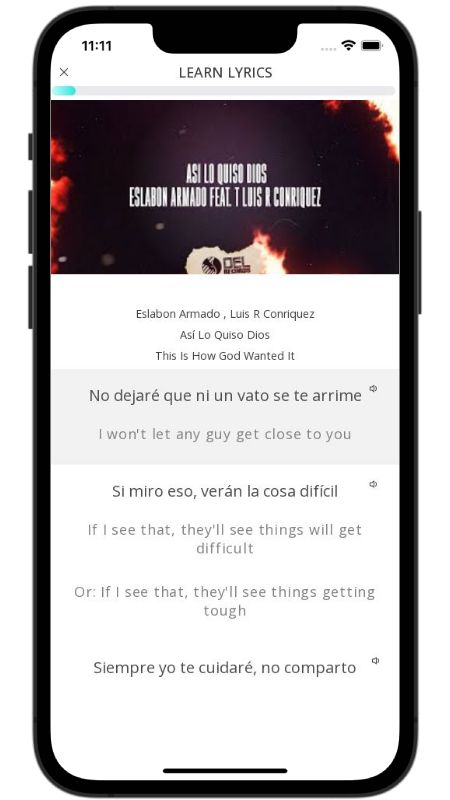
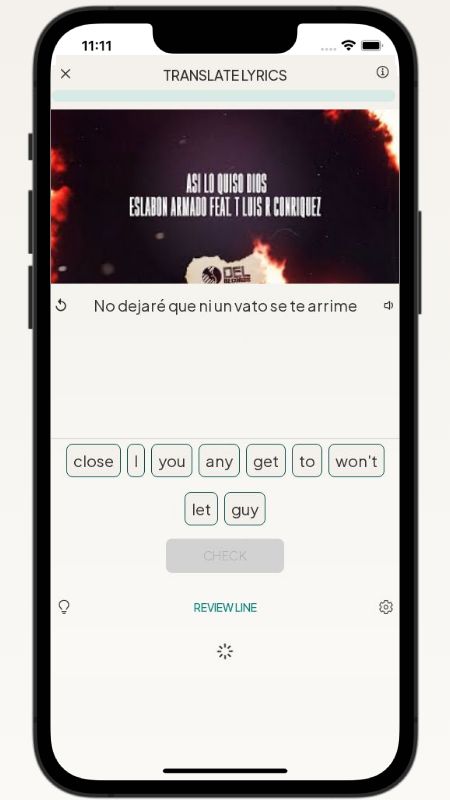
In "Así Lo Quiso Dios", Eslabon Armado and Luis R Conriquez team up for a romance track that pulls zero punches about being possessive. The singer is head over heels and completely unwilling to share, warning right out of the gate: "No dejaré que ni un vato se te arrime" ("I won't let any guy come near you"). He knows he crosses the line into jealousy, openly admitting, "Tal vez soy tóxico, pero bien te gusta" ("Maybe I'm toxic, but you really like it"). Along the way, the lyrics mix sweet praise for her beauty with blunt Mexican slang. When he shouts "Ahí les va, plebitas", he is calling out to the young women in the audience, using the northern Mexican term plebita (little girl or young lady).
Beyond the territorial attitude, the track is driven by devotion and hard work. He promises to treat his partner like royalty, stating "por eso le chingo yo / Para darte una vida mejor" ("that's why I work my ass off, to give you a better life"), using the coarse slang verb chingarle to emphasize just how hard he hustles. The chorus ties everything together as pure destiny: "Y así lo quiso Dios / Y así lo quisimos" ("And that's how God wanted it, and that's how we wanted it"). When they are together, time flies and her kisses take him straight to heaven.