¿Dime Por Qué? Lyrics in English by Eslabón Armado
Doliente is a poetic adjective that means 'painful', 'aching', or even 'grieving'. It's more profound than the common word for painful, doloroso, as it implies a deep, ongoing state of suffering.
In the song, the artist describes love itself as muy doliente (very painful/aching). He uses this powerful word to capture the intense and persistent emotional pain of heartbreak, making you feel the depth of his sorrow.
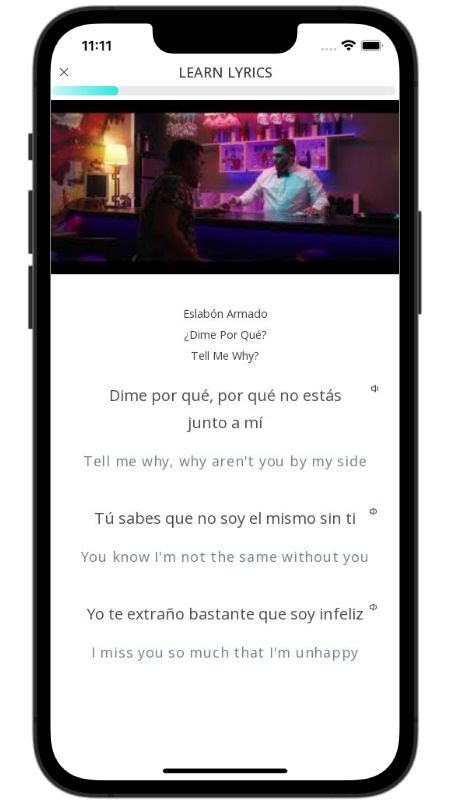
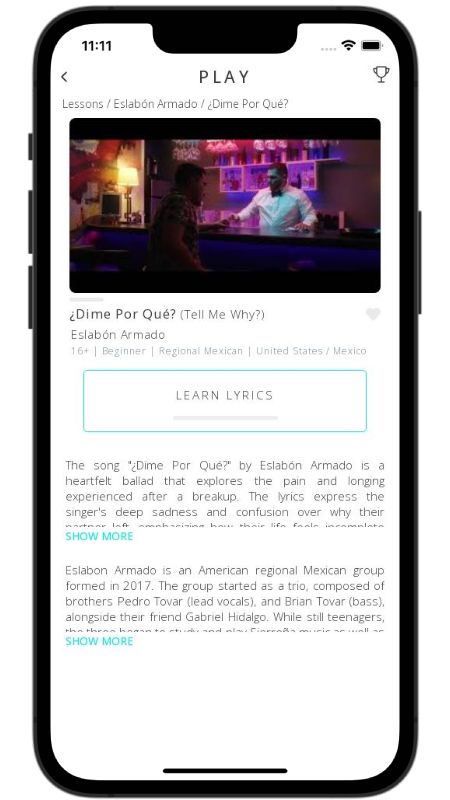
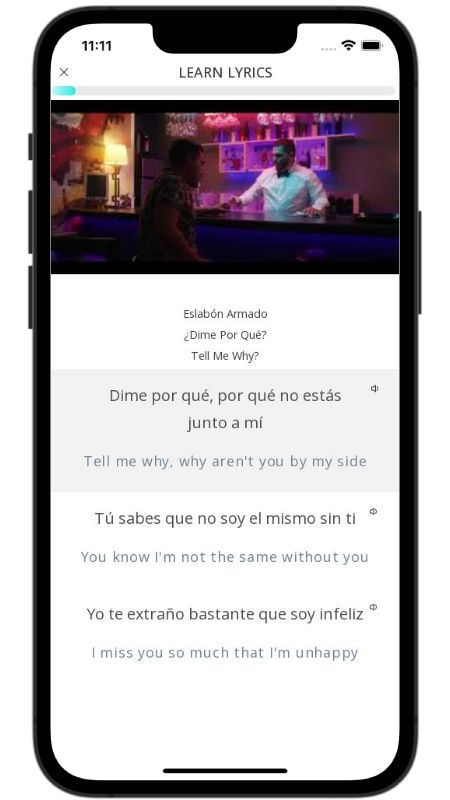
If you have ever stared at an old photo and felt completely wrecked, you will relate to this track by Eslabón Armado. The narrator is spiraling after a sudden breakup, begging for answers with lines like "Sólo dime cuál fue la razón tu adiós" (Just tell me the reason for your goodbye). He feels like he is stuck "debajo de un gran hoyo" (under a huge hole), wondering "¿Quién me sanará mi pobre corazón si ya se quebró?" (Who will heal my poor heart if it already broke?). The lyrics are dramatically frank about how much he is struggling to cope, admitting that looking at old pictures immediately brings on the tears.
To deal with the pain, he falls into bad habits, singing "Empecé a tomar sin querer" (I started drinking without meaning to) in the hope that alcohol will erase the memories. It is not working, though. When he sings "Ahora se ve nomás pura oscuridad" (Now only pure darkness can be seen), notice the everyday phrasing of "nomás"—a casual contraction of nada más that means "only" or "just." He used to see his ex shine like the moon at night, but now that she split his heart in two, everything around him feels pitch black.