Otras 24 Horas Lyrics in English by Eslabon Armado
Ilusionaste comes from the verb ilusionar, which doesn't have a perfect one-word translation in English. It means 'to get someone's hopes up' or 'to make someone dream' about a potential future.
In this song about heartbreak, the singer asks, "¿Por qué me ilusionaste con tus besos?" (Why did you get my hopes up with your kisses?). He feels like he was led to believe in a love that wasn't real. It's a beautifully nuanced word that captures the feeling of being promised a dream that was then taken away.
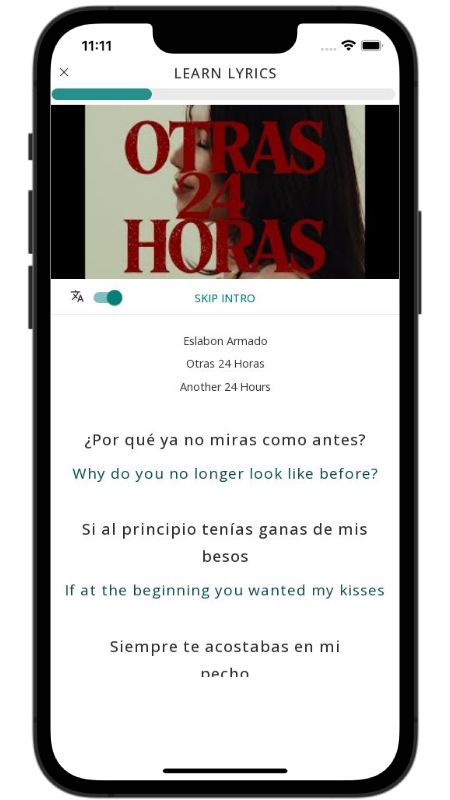
In "Otras 24 Horas", Eslabon Armado walks us through the quiet sting of getting ghosted and shut out. The story kicks off with a painful shift in everyday affection: "¿Por qué ya no miras como antes?" ("Why don't you look at me like before?"). He remembers when she used to rest on his chest and crave his kisses, but now even her friends are telling him to walk away because not even roses make her happy anymore. He admits he could not offer luxury—"Yo no te di un castillo ni un anillo de un millón" ("I didn't give you a castle or a million-dollar ring")—giving her instead his "tonto corazón" ("foolish heart"), which he feels she took advantage of.
The real modern gut punch arrives when the clock ticks and the screen stays dark: "Horas se van contando, veinticuatro exacto / Sigo sin recibir notificación / Pero ya sé que me bloqueaste" ("Hours keep ticking away, twenty-four exactly / I still haven't received a notification / But I already know you blocked me"). That 24-hour count of waiting on a blank phone screen is painfully relatable. When he sings "Ahorita lo que ocupo es estar solo" ("Right now what I need is to be alone"), notice how the Regional Mexican phrasing uses ocupar to mean to need, rather than the textbook necesitar. By the end, all that is left is turning off the bedroom lights, nursing a broken heart, and wondering why she said "Te amo" all the time if she was just going to hit block.