Termine Sufriendo Lyrics in English by Eslabon Armado
Regastes comes from the verb regar, which literally means 'to water' (like plants). However, in Mexican Spanish, the phrase regarla is a common idiom meaning 'to mess up' or 'to screw up'.
In this song, the lyric "Y tú la regastes" powerfully conveys the singer's heartbreak, implying that his partner made a big mistake that ruined their relationship. It's an interesting word choice that adds a layer of colloquial expression to the emotional narrative.
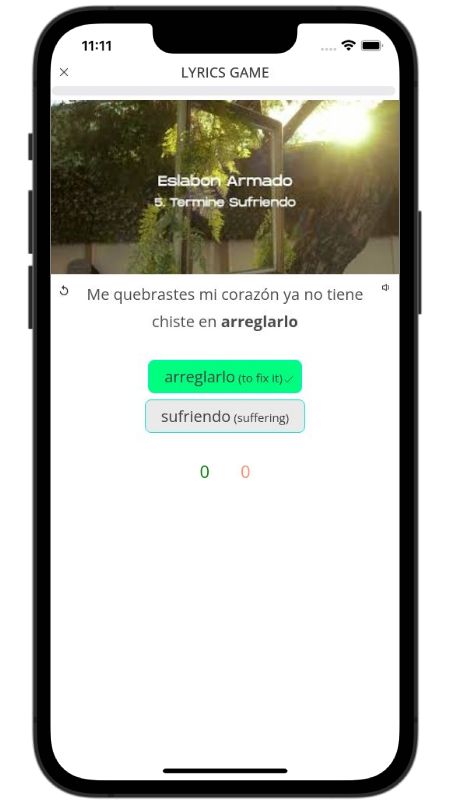
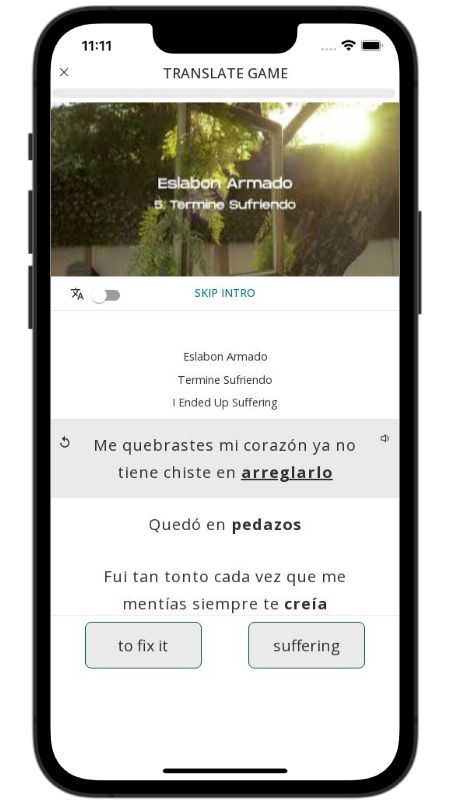
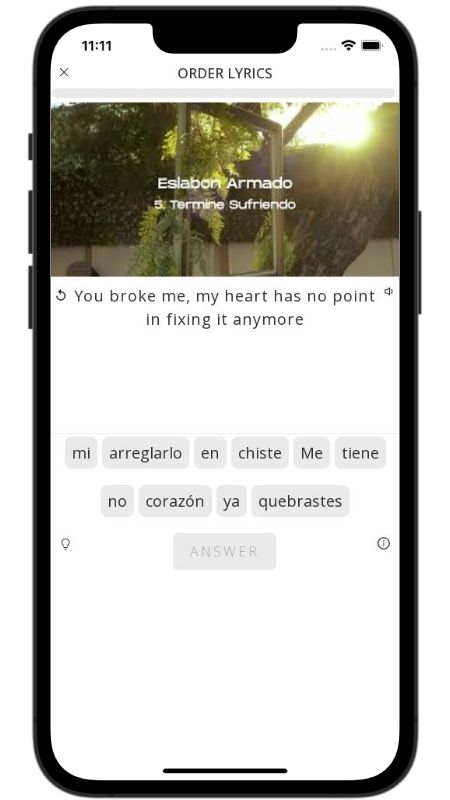
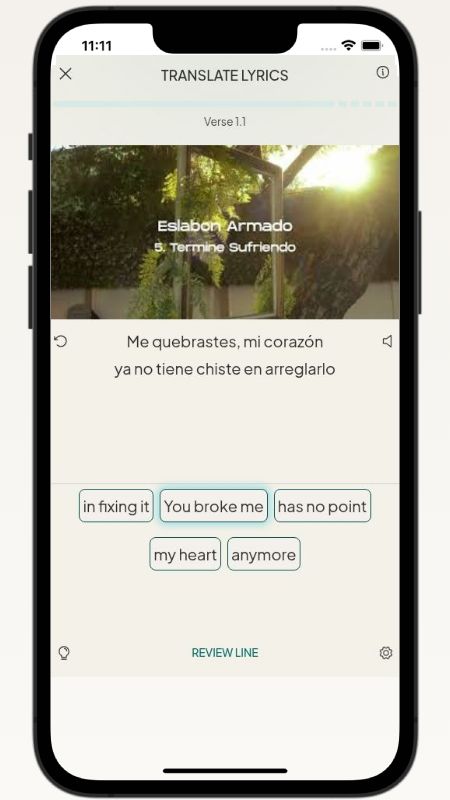
If you have ever had your heart wrecked and responded by driving around crying to old playlists, Eslabon Armado wrote this track specifically for you. The song gets straight to the point: Me quebrastes, mi corazón ya no tiene chiste en arreglarlo ("You broke me, there's no point in fixing my heart"). The narrator admits he was a fool who believed every lie simply because he loved his partner. What stings most is the betrayal. He calls out the ex directly, saying tú la regastes con otro cobarde ("you messed up with another coward"). The Mexican slang phrase la regastes (a colloquial version of la regaste) literally means to spill or water something, but here it means "you blew it" or "you screwed up."
Instead of taking the high road, he chooses a bottle. He warns her that if she ever runs into him, ahora yo pisteo bien machín, no miento ("now I drink hard, I don't lie"). In Mexican Spanish, pistear is everyday street talk for hitting the booze, and machín means heavily or aggressively. Specifically, he is nursing a bottle of twelve-year-old blended Scotch: Con Buchanan's, el doce ("With Buchanan's 12"). Between flashbacks of morning kisses and messy bedroom sheets (las sábanas blancas, la ropa tirada), he realizes the person he used to tell all his daily news to is gone. It is petty, hurt, completely honest drunk-dial energy, ending with the blunt realization that he gave real sincerity and walked away with nothing but agony: Yo fui muy sincero y terminé sufriendo ("I was very sincere and I ended up suffering").