CANSADO DE SUFRIR Lyrics in English by Grupo Frontera
Echaste a perder is a powerful Spanish idiom that means "you ruined me" or "you spoiled me". It's a phrase you'll hear often in conversation but won't likely find in a textbook.
Literally, it combines echar (to throw) and perder (to lose). The expression is used for food that has spoiled or, in this case, a person who has been broken. In the song, the artist sings, "Me pusiste a ver Los Ángeles y luego me echaste a perder," meaning "You made me see heaven, and then you completely ruined me," capturing the song's core feeling of heartbreak.
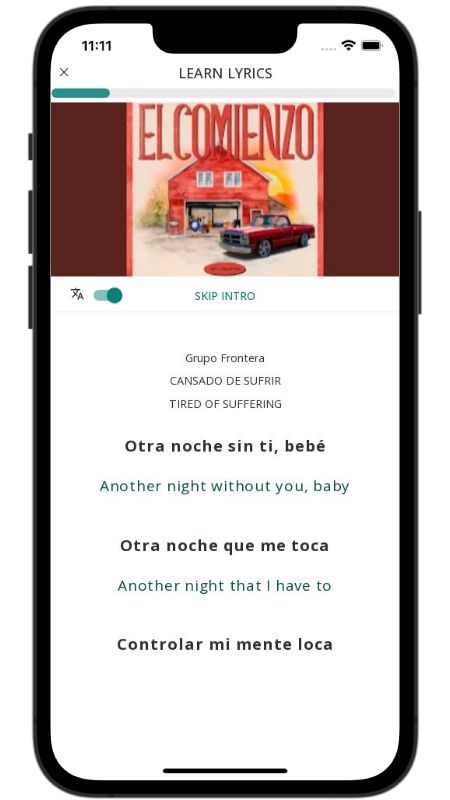
We have all been there: staring at the ceiling, trying to calm down your own racing thoughts, and desperately wondering if your ex is ever coming back. In "CANSADO DE SUFRIR", Grupo Frontera kicks things off in that exact lonely place with "Otra noche sin ti, bebé / Otra noche que me toca / Controlar mi mente loca" ("Another night without you, baby / Another night where I have to / Control my crazy mind"). The singer had sworn off love to protect himself ("Prometí ya no enamorarme" ["I promised myself not to fall in love again"]), but he fell for it anyway. He points out how the relationship took him all the way to heaven before crashing down, singing "Me pusiste a ver Los Ángeles / Y luego me echaste a perder" ("You made me see the angels / And then you ruined me"). When he mentions seeing angels, it is a playful way of saying she made him feel on top of the world before dragging him right into a mess.
Instead of crying forever, though, the vibe flips into pure frustration and impulsive revenge. He flat-out decides he has suffered enough: "Ya estoy cansado de sufrir / Y ahora a ti te toca sentir lo que yo sentí" ("I'm tired of suffering / And now it's your turn to feel what I felt"). His big master plan to heal? Rebounding immediately with the very first stranger he spots on the street ("Me voy con la primera que yo vea por ahí" ["I'm leaving with the first girl I see out there"]) just to make up for all the wasted time. It is a petty, stubborn reaction, but tossing in a sarcastic "Que seas feliz" ("May you be happy") right at the end makes it clear he wants the last laugh.