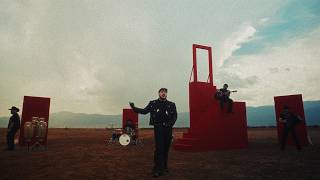
Di Que Sí Lyrics in English by Grupo Frontera, Grupo Marca Registrada
Pisteándome comes from the Mexican slang verb pistear, which means 'to drink alcohol'. It's a casual and very common term in Mexico, especially in Regional Mexican music like this song.
In the lyrics, the singer says, "Llevo varias noches pisteándome el dolor", which translates to "I've spent several nights drinking away the pain." This one word powerfully captures a sense of heartbreak and the attempt to numb emotional pain, making it a memorable and culturally rich term to learn.
We have all been in that desperate spot where we messed up, got blocked, and ended up begging for one last chance. In "Di Que Sí", Grupo Frontera and Grupo Marca Registrada team up to deliver an honest plea from someone who ruined their relationship. The narrator kicks things off by admitting he has spent multiple nights "pisteándome el dolor" [drinking away my pain], using the northern Mexican slang verb pistear (to drink alcohol). He is suffering through sleepless nights in a bed that still smells like his ex ("Mi cama se quedó con el olor a ti" [My bed was left with your scent]), praying to God to bring her back while begging her to unblock his number for just one minute so he can explain.
What makes this track so fun to sing along with is how direct and unapologetically clumsy the apology is. He openly admits, "la regué, me equivoqué" [I messed up, I made a mistake], where la regué is a classic Mexican idiom for screwing up. Between throwing in a mild guilt trip about how much he used to do for her ("Tanto que yo hice por ti" [So much that I did for you]) and repeatedly begging her to just say yes ("Porfa di que sí" [Please say yes]), the song nails that chaotic mix of regret, sleepless desperation, and hope.