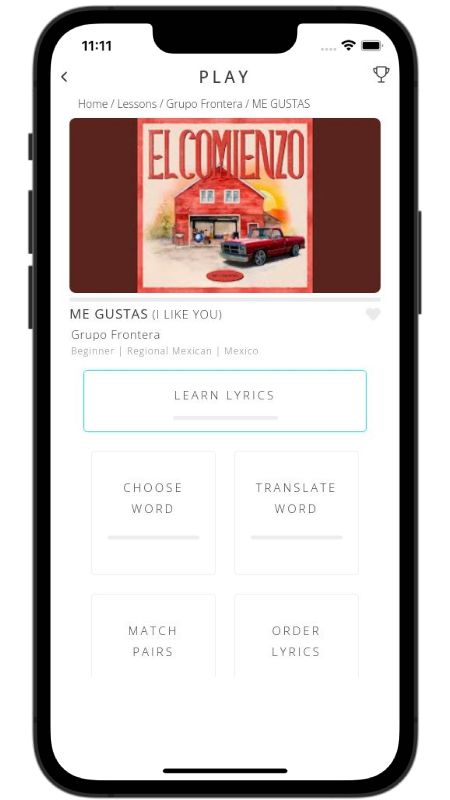
ME GUSTAS Lyrics in English by Grupo Frontera
Traviesa translates to 'mischievous' or 'playful'. While it can sometimes mean 'naughty,' in this context it's used in a very endearing way to describe a charming, spirited personality.
In the song, the singer adores his partner's "risa traviesa" (mischievous laugh). This word beautifully captures a sense of fun and lighthearted rebellion, painting a picture of a laugh that is both captivating and utterly irresistible.
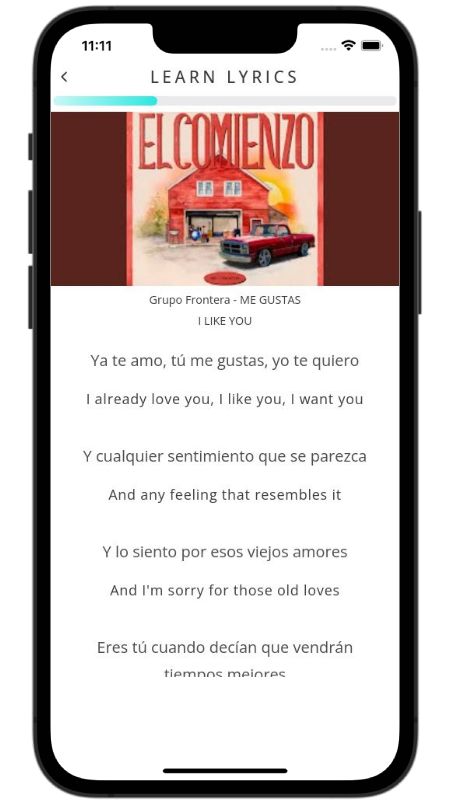
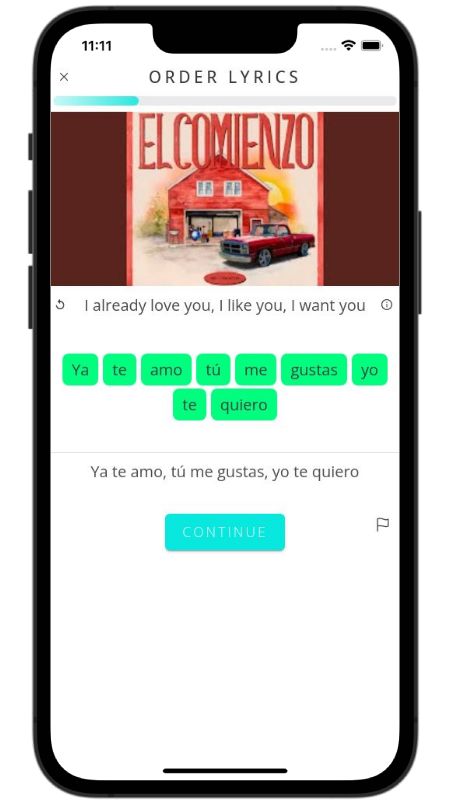
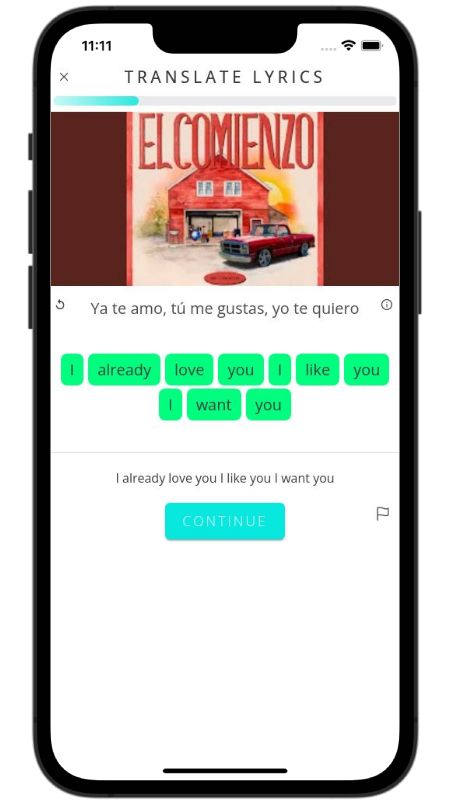
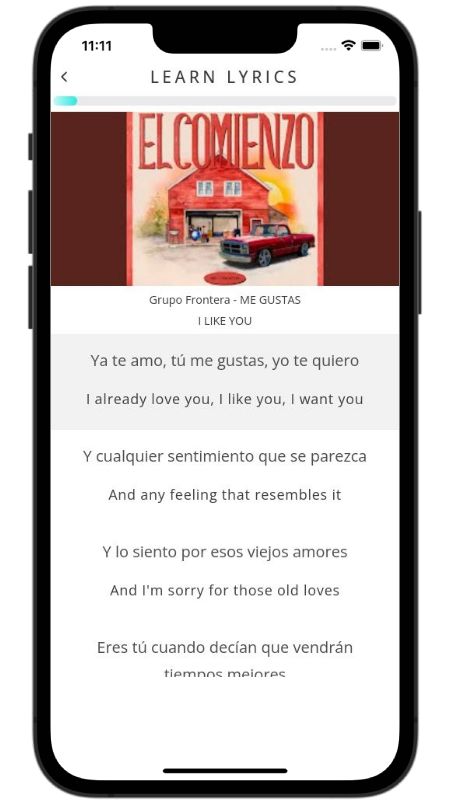
Grupo Frontera goes all-in on romantic certainty with "ME GUSTAS". Instead of playing it cool, the singer bundles every possible level of affection right from the start: "Ya te amo, tú me gustas, yo te quiero / Y cualquier sentimiento que se parezca" ("I already love you, I like you, I care about you / And whatever feeling resembles that"). He playfully apologizes to past heartbreaks because this new person proves the old saying true: "Eres tú cuando decían que vendrán tiempos mejores" ("You are what they meant when they said better times will come").
The rest of the track runs through a checklist of sweet details that seal the deal, from her mischievous laugh ("tu risa traviesa y coqueta") to her eyes and hands. In the chorus, he uses the handy Mexican everyday phrase "No hay por qué pensarla" ("There's no need to overthink it / no need to hesitate"), jumping straight to a firm commitment with "yo me quedo contigo" ("I'm staying with you"). It is direct, cheerful, and skips all the usual dating games.