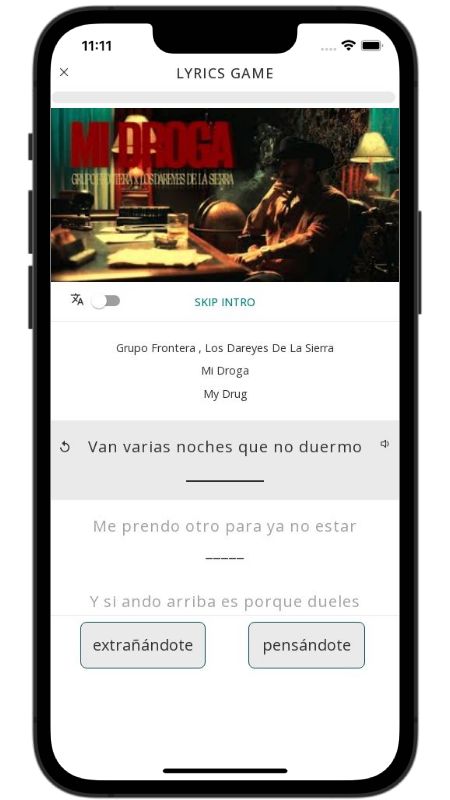
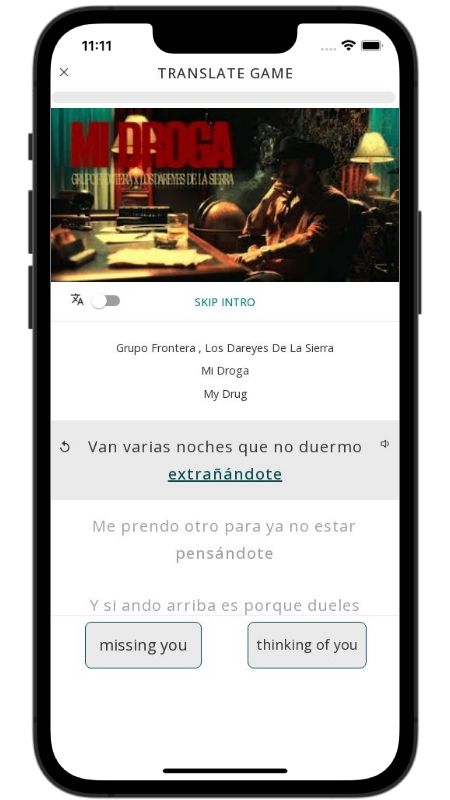
Mi Droga Lyrics in English by Grupo Frontera, Los Dareyes De La Sierra
Veneno literally means "poison". It's a powerful and evocative word used to describe something toxic or harmful.
In this song, the artist uses this word metaphorically to express the conflicting nature of a painful love affair. He sings about a "veneno dulce" (sweet poison), perfectly capturing the feeling of being addicted to a relationship that is both intoxicating and destructive.
Grupo Frontera and Los Dareyes De La Sierra team up for a track about a toxic obsession that refuses to quit. The singer is stuck in sleepless nights, chain-smoking just to numb the ache of an ex who left. When he says "Y si ando arriba / Es porque dueles todavía" ("And if I'm high / It's because you still hurt"), the slang phrase andar arriba literally means to be elevated or high, pointing straight to using substances as an escape from heartbreak. He even blames his bloodshot eyes on two things: "de tanto que fumé / Y de tanto llorar" ("from smoking so much / and from crying so much"). It is messy, honest, and completely dramatic.
The core of the song treats this past lover like an addictive substance that is impossible to kick. He admits "Eres la droga que ya no puedo dejar" ("You are the drug I can no longer quit") and describes her as "veneno dulce" ("sweet poison") that stays locked into his skin. Trying to move on with someone else fails immediately because "la vibra no fluye" ("the vibe doesn't flow"). Instead of accepting help, he delivers the brutally direct line "Uno siempre es adicto a lo que lo destruye" ("One is always addicted to what destroys them"), acknowledging that even if thinking about her is ruining his life, he cannot stop craving the high.