Monterrey Lyrics in English by Grupo Frontera
Desliz literally means a 'slip' or 'misstep', and in relationships it often refers to a brief, careless fling or mistake.
When Grupo Frontera sings "No estoy para un desliz" they’re saying “I’m not up for a meaningless fling,” underscoring the singer’s demand for something real. It’s a punchy, memorable word that packs cultural nuance and isn’t one you see in every song—perfect for enticing learners to dive in and explore its shades of meaning.
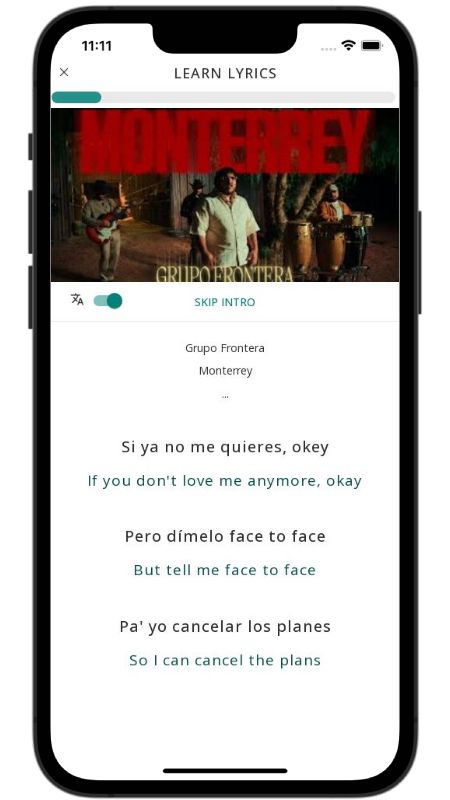
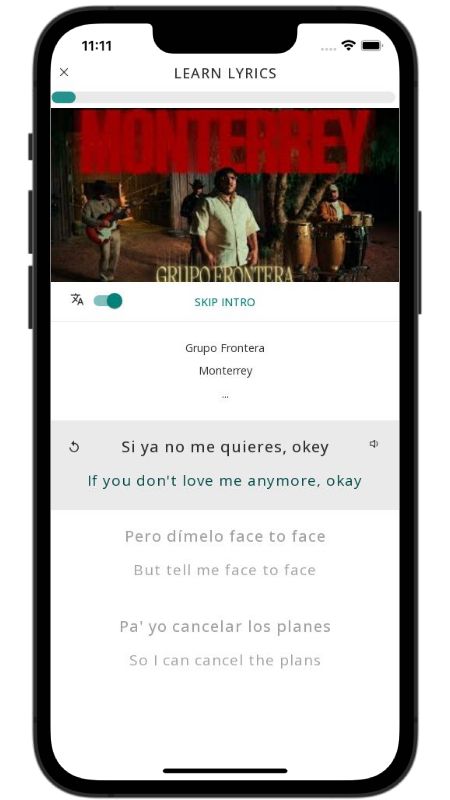
Grupo Frontera delivers a straight-talking breakup track wrapped in a lively cumbia rhythm with "Monterrey". The whole premise is refreshingly direct: if feelings have faded, just say so in person—"Pero dímelo face to face" ("But tell me face to face")—so tickets and hotel bookings can be sorted out: "Pa' yo cancelar los planes / Que teníamos en Monterrey" ("So I can cancel the plans we had in Monterrey"). Instead of begging for affection, the singer sets a firm boundary with "A nadie mendigo amor" ("I beg love from no one") and "Esto de amar a medio tiempo no es lo mío" ("This part-time loving isn't for me"). Relationships need to be "blanco y negro, no gris" ("black and white, not gray"), not fleeting like "un café instantáneo" ("an instant coffee").
There is also plenty of honest vulnerability beneath that tough exterior. He admits he has a knack for pretending everything is fine ("Tengo el talento pa' lucir como si nada"), but immediately confesses the truth: "Pa' qué te miento / Me está doliendo y qué feo sentimiento" ("Why lie to you, it's hurting me and what an ugly feeling"). He even references Latin music star Eladio Carrión's common theme of searching for calm with the line "Estoy buscando paz mental, como Eladio" ("I'm looking for peace of mind, like Eladio"). While he knows he will be spending Christmas alone, he makes it clear that self-respect comes first.