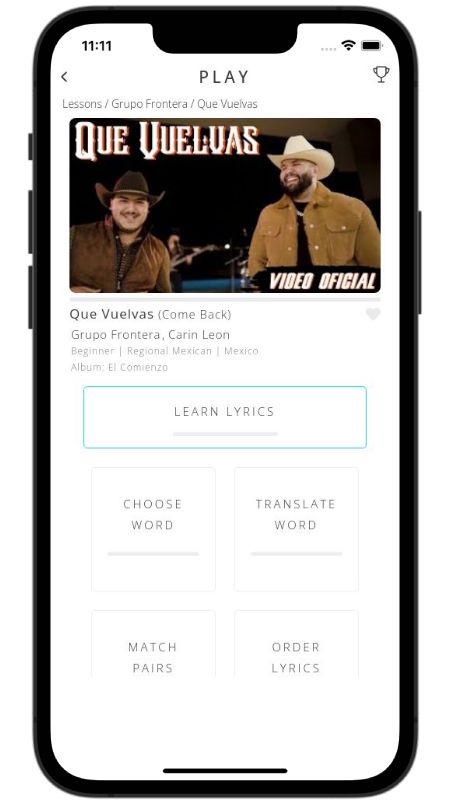
Que Vuelvas Lyrics in English by Grupo Frontera, Carin Leon
Quedar en visto is a modern slang phrase that literally means "to remain seen." It perfectly describes the specific, frustrating feeling of sending a message, seeing the other person has read it (like the blue checkmarks on WhatsApp), but getting no reply.
In the song, the singer writes messages to his ex but then deletes them, singing, "Pa' quedar en visto, ese mal rato, mejor me lo ahorro" (To be left on read, that bad moment, I'd rather spare myself). This phrase perfectly captures the mix of pride and vulnerability in modern-day heartbreak.
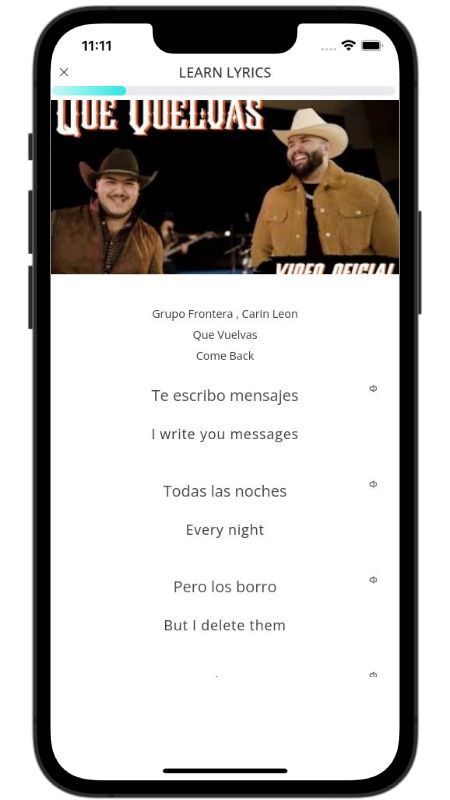
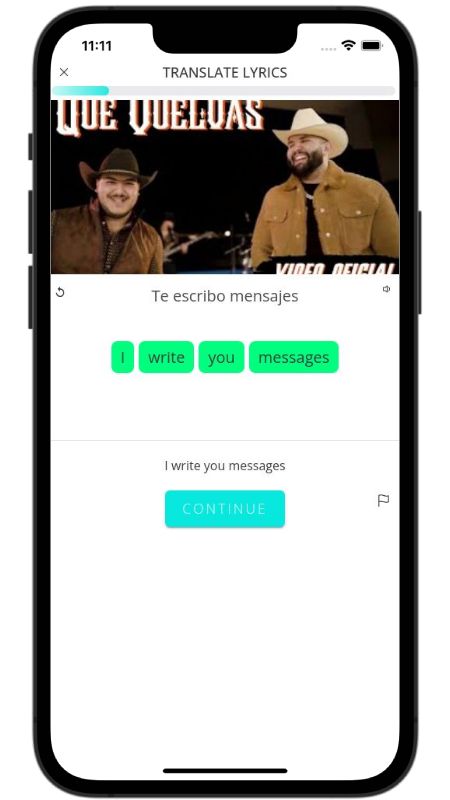
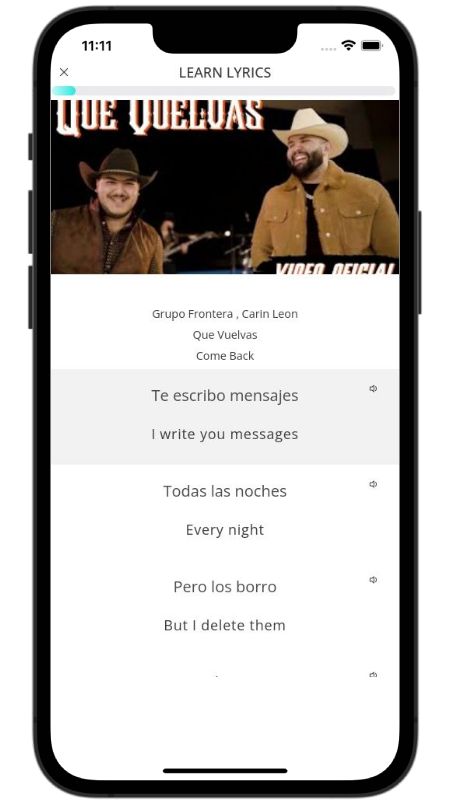
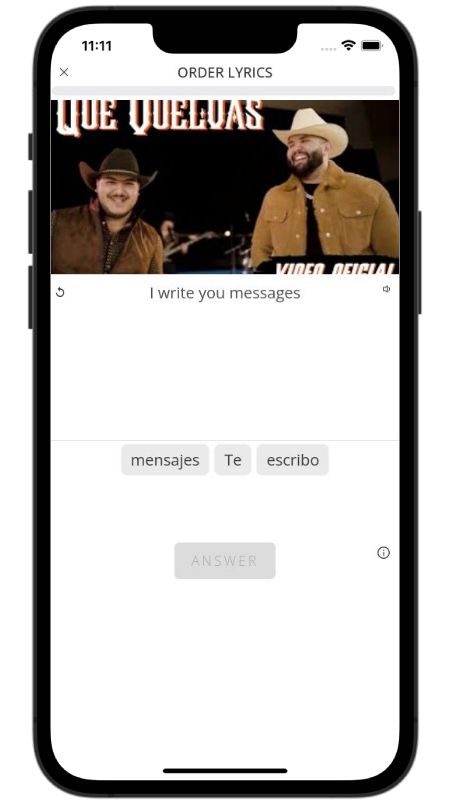
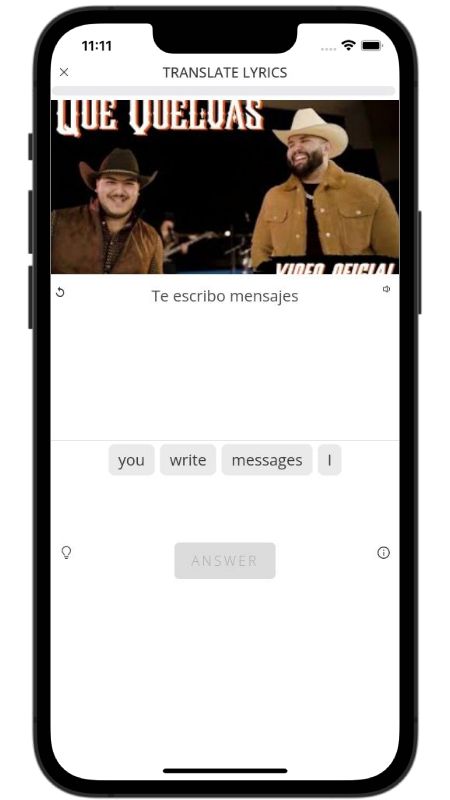
Have you ever typed out a whole late-night text to an ex and then hit backspace until the screen is blank? That exact moment is the whole engine of "Que Vuelvas" by Grupo Frontera and Carin Leon. The singer admits, "Te escribo mensajes todas las noches, pero los borro" ("I write you messages every night, but I delete them"). Why? He explains with total honesty: "Pa' quedar en visto, ese mal rato mejor me lo ahorro" ("To end up left on 'read', I'd rather save myself that bad time"). In Spanish, the phrase "quedar en visto" literally means staying "seen"—it is the modern sting of getting blue-checked and ignored. His pride is stubborn ("mi orgullo es tan grande"), yet he still cannot stop his brain from spiraling.
The chorus hits with a sharp contrast: "Deberías estar aquí, aquí donde te quiero / Pero, al contrario, estás allá donde te extraño" ("You should be here, here where I love you / But instead, you are over there where I miss you"). He is not doing casual heartbreak; he takes it to dramatic heights, begging them to return "para que a mi cuerpo el alma le devuelvas" ("so that you return the soul to my body"). It turns that petty fear of looking foolish on a messaging app into a full-blown Regional Mexican plea for your missing soul.