La Nave Del Olvido Lyrics in English by José José
Naufragio is a powerful word that literally means "shipwreck". It's a dramatic and evocative term you won't find in just any song.
In this classic ballad, José José uses it as a metaphor for the destruction of a relationship. He pleads, "No condenemos al naufragio lo vivido" (Let's not condemn what we've lived to a shipwreck), begging his lover not to let their shared history be completely destroyed.
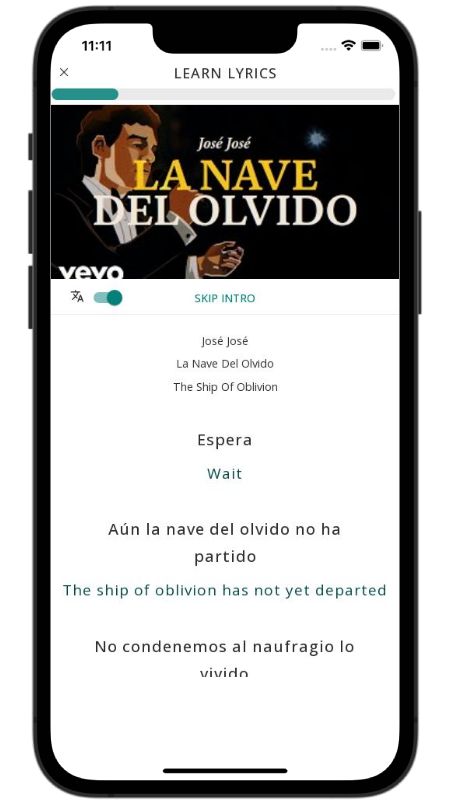
If you want to hear someone beg for another chance with pure, dramatic flair, this is the track for you. Legendary Mexican singer José José spends the entire song pleading with his lover to pause before walking out the door. He imagines their relationship as a ship, crying out: "Aún la nave del olvido no ha partido" ("The ship of oblivion has not sailed yet") and "No condenemos al naufragio lo vivido" ("Let's not condemn what we lived to a shipwreck"). He is not ready to let their past drown in forgetfulness. He promises he still has "primaveras" ("springs") and "mil noches de amor" ("a thousand nights of love") left to give if she will only wait "un poquito más" ("a little bit more").
Things get genuinely desperate toward the end, and José José does not hold back. He admits that without her, he cannot fathom his future ("No entendería mi mañana si te fueras" / "I wouldn't understand my tomorrow if you left"). In fact, he takes it so far that he is willing to accept complete lies just to keep her around: "Y hasta te admito que tu amor me lo mintieras / Te adoraría aunque tú no me quisieras" ("I'll even accept you lying about your love / I'd adore you even if you didn't love me"). It is completely over the top, bargaining everything for just a few more moments together.