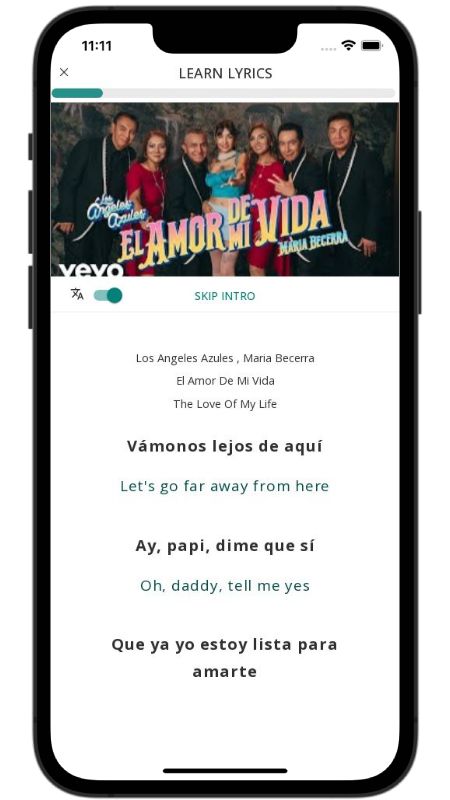
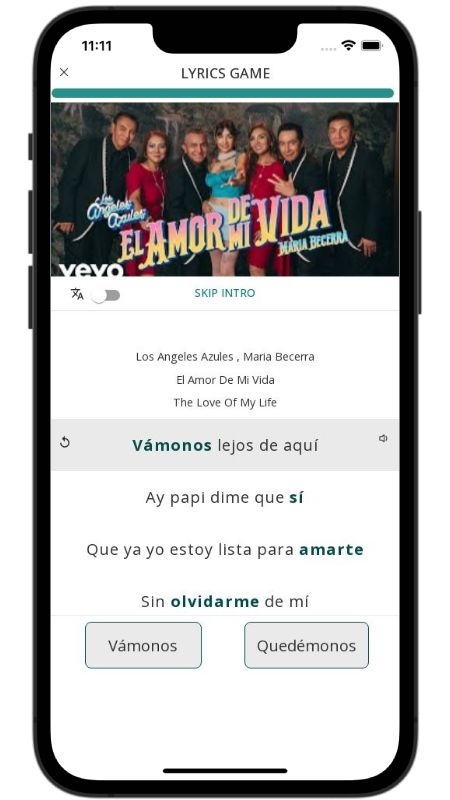
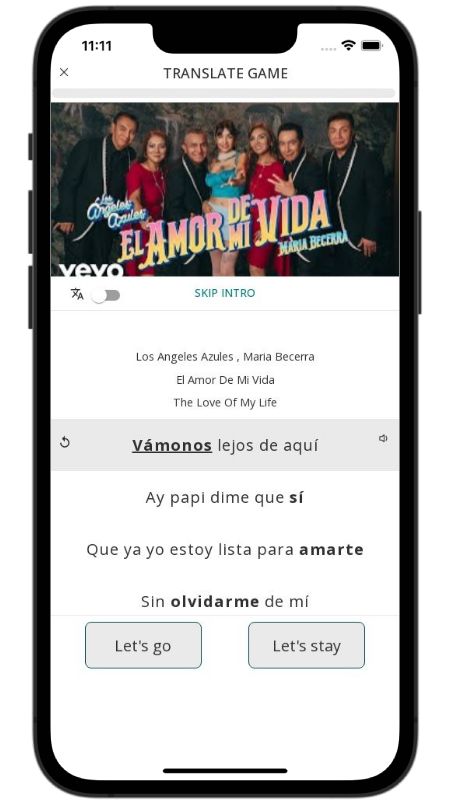
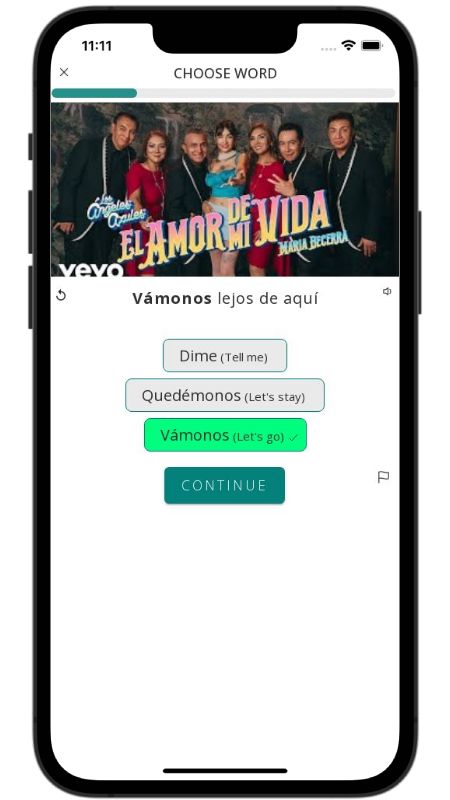
El Amor De Mi Vida Lyrics in English by Los Angeles Azules, Maria Becerra
Abriga comes from the verb abrigar, which means "to shelter" or "to keep warm". It suggests a sense of coziness, comfort, and protection, much like an abrigo (a coat) protects you from the cold.
In the song, the singer describes their lover as the sun "que me abriga en esas noches frías" (that keeps me warm on those cold nights). It's a beautiful, poetic way to say that this person's love provides not just warmth, but also a feeling of safety and comfort.
Mexican cumbia legends Los Ángeles Azules team up with Argentine star María Becerra for a sweet, danceable track about finding someone who clears away the gloom. The singer explains that she was stuck in a gray cloud for a long time until this new partner arrived "con más luces que París" (with more lights than Paris). Now, he is the sun in her days, keeping her warm on cold nights. The core message is a clever play on words: she does not just want a casual hookup ("hacerte el amor" / make love to you); she wants to make him "el amor de mi vida" (the love of my life).
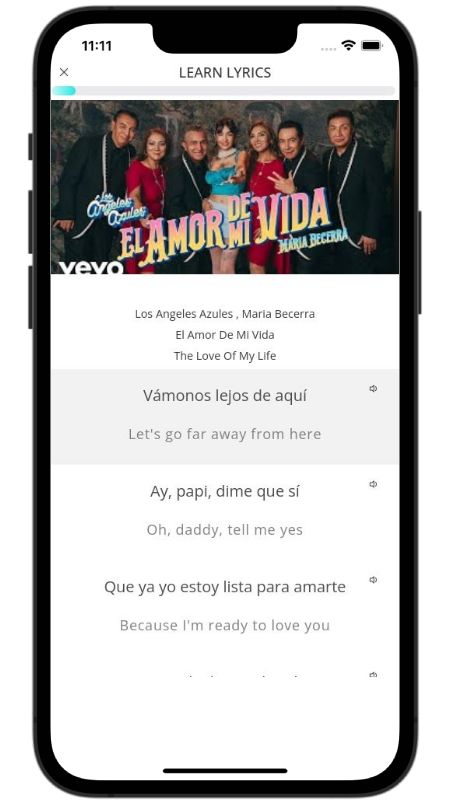
What makes this track stand out is its healthy view on romance. Even though she begs him to pack up and run away together with "Vámonos lejos de aquí / Ay, papi, dime que sí" (Let's go far away from here / Oh, baby, say yes to me), she repeats an important condition: she is ready to love him "sin olvidarme de mí" (without forgetting about myself). She promises balanced effort with "Haz lo que puedas por mí / Yo haría lo mismo por ti" (Do what you can for me / I would do the same for you), setting up a romance built on mutual care while the band shouts out their roots "De Iztapalapa para la Argentina" (From Iztapalapa, a district in Mexico City, to Argentina).