Nunca Es Suficiente Lyrics in English by Los Angeles Azules, Natalia Lafourcade
Estalla is a dramatic verb that means 'it bursts' or 'it explodes', creating a powerful image of something breaking apart from intense internal pressure.
In this classic cumbia, the singer uses this word in two key moments to describe her heart's reaction. First, 'Mi corazón estalla por tu amor' (My heart explodes for your love), and later, 'Mi corazón estalla de dolor' (My heart explodes from pain). This brilliant contrast shows how an overwhelming love can feel, leading to both ecstasy and agony.
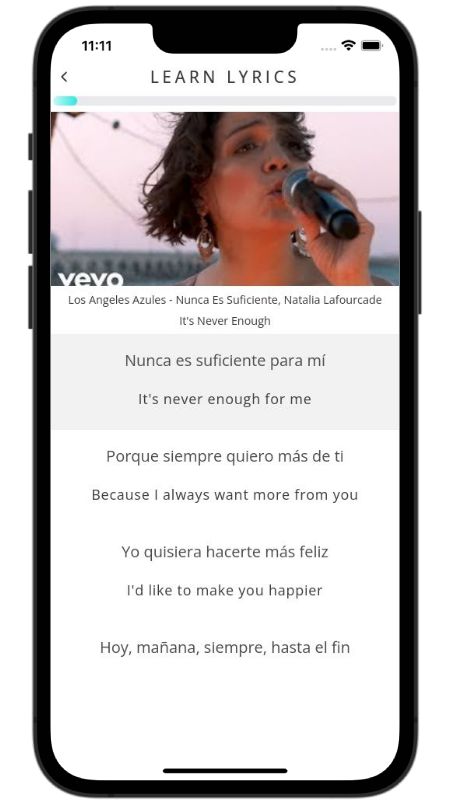
You get an upbeat Mexican cumbia rhythm paired with total romantic desperation in Nunca Es Suficiente. Natalia Lafourcade sings about loving someone who treats affection like a casual hobby. She pours her whole self in, singing "Nunca es suficiente para mí / Porque siempre quiero más de ti" ("It's never enough for me / Because I always want more of you"), while the other person takes it for granted. The central conflict hits when she points out "Acostumbrado estás tanto al amor / Que no lo ves" ("You are so used to love / That you don't even see it"). She admits her heart feels shattered into pieces ("¿Cómo evitar que se fracture en mil?" / "How to stop it from fracturing into a thousand pieces?"), but she still craves their presence anyway.
Instead of staying, this partner wanders off to play heartbreaker ("jugando a enamorar"), chasing fleeting thrills described as "ilusiones vagabundas" ("drifting illusions") and getting lost in endless night-time flings. Mid-song, you hear the famous shoutout "De Iztapalapa para el mundo" ("From Iztapalapa to the world"), which roots Los Ángeles Azules right in their home borough of Mexico City. It turns what could be a gloomy breakup track into something you dance to, even as Natalia delivers the parting blow: "Te perderás dentro de mis recuerdos por haberme hecho llorar" ("You will get lost inside my memories for having made me cry").