La Jaula De Oro Lyrics in English by Los Tigres del Norte
Jaula literally translates to "cage". It is the central metaphor in this iconic song, whose title "La Jaula de Oro" means "The Golden Cage".
The song tells the story of an immigrant who has found financial success in the United States, but at a great cost. He feels trapped—like he's in a beautiful prison—because he cannot return to his home country and his own children are losing their cultural identity. This powerful word captures the song's heartbreaking theme of feeling imprisoned by the very dream you sought.
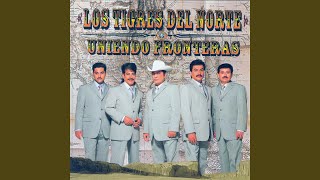
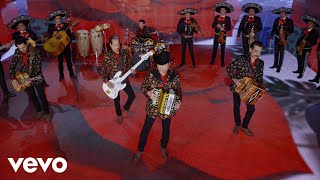
Mexican norteño group Los Tigres del Norte tell the story of a man who has lived undocumented in the United States for a decade. He has steady work and money, but he lives in constant fear. He moves exclusively between his job and his house ("De mi trabajo a mi casa" [From my work to my house]) because he dreads being spotted and deported ("Pues tengo miedo que me hallen / Y me pueden deportar" [Because I'm afraid they'll find me / And they can deport me]). For him, material success does not equal freedom. He calls the country a golden cage: "Aunque la jaula sea de oro / No deja de ser prisión" (Even if the cage is made of gold, it does not stop being a prison).
The most painful twist is at home with his family. He brought his kids over when they were little, and they have completely assimilated. They speak English, refuse to speak Spanish with him ("Mis hijos no hablan conmigo / Otro idioma han aprendido" [My children don't talk to me / They have learned another language]), and reject the idea of going back to Mexico entirely. The song even features a spoken break where the father asks his son if he wants to return, and the boy bluntly answers in English: "Whatcha talkin' about dad? I don't wanna go back to Mexico, no way dad." He is physically stuck inside the US border, yet culturally separated from his own children under the same roof.














![La Jaula De Oro [Live At Folsom Prison] Lyrics Translation](https://img.youtube.com/vi/BnvNfE9fOv4/mqdefault.jpg)
