Imposible Lyrics in English by Luis Fonsi, Ozuna
Pecado translates to "sin". It's a powerful, dramatic word that adds a layer of forbidden passion to a song.
In "Imposible", Luis Fonsi sings, "Dios mío que me perdone pero si es pecado / Solamente quiero morir a tu lado" (My God forgive me, but if it's a sin / I only want to die by your side). He uses pecado to describe a love so intense that he's willing to risk it all, even if it's considered wrong, making for a very memorable lyric.
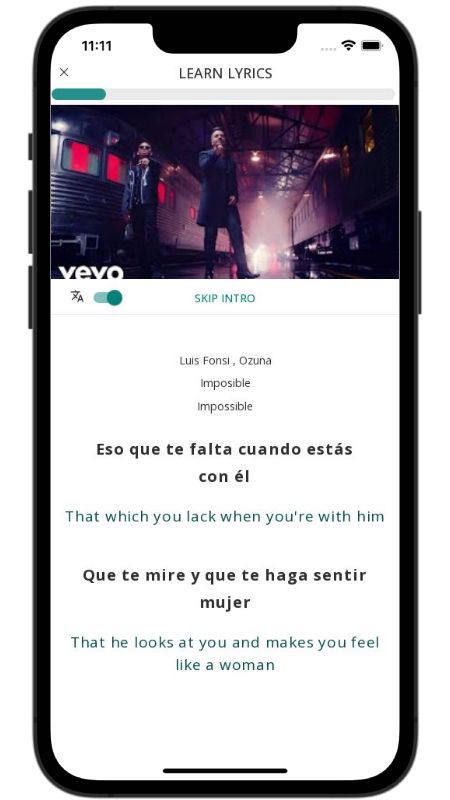
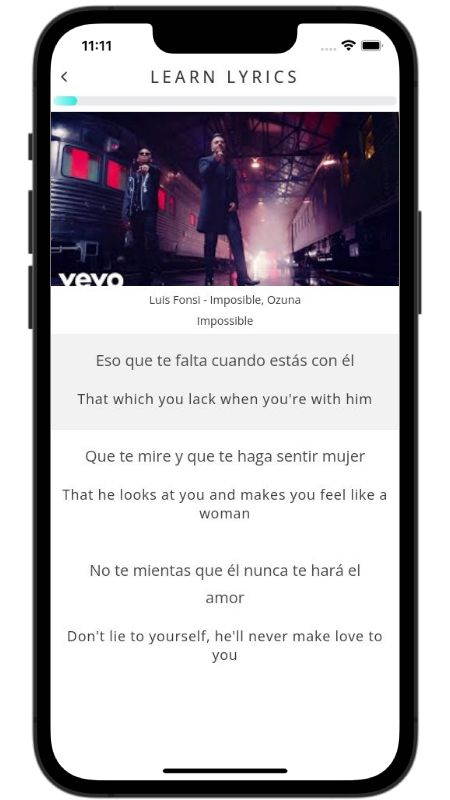
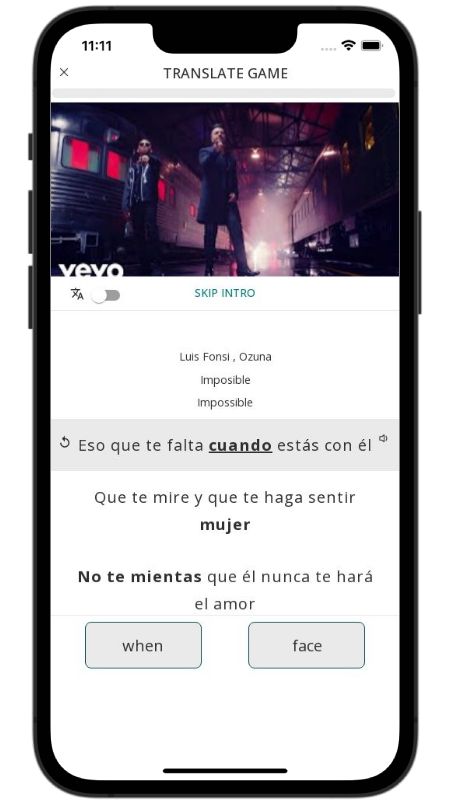
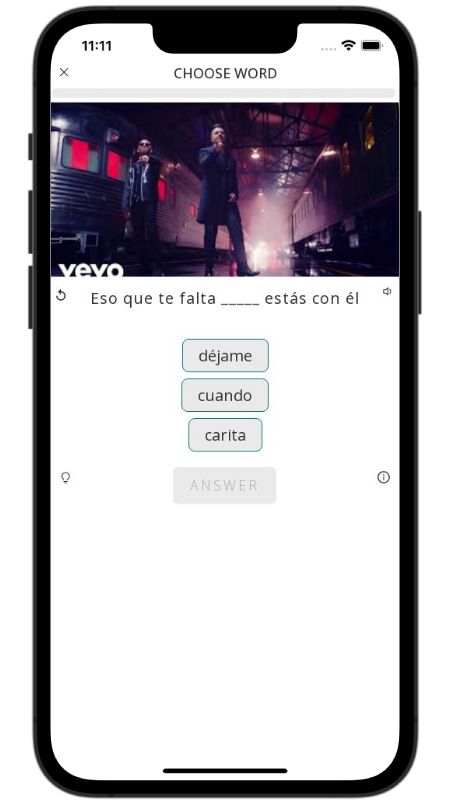
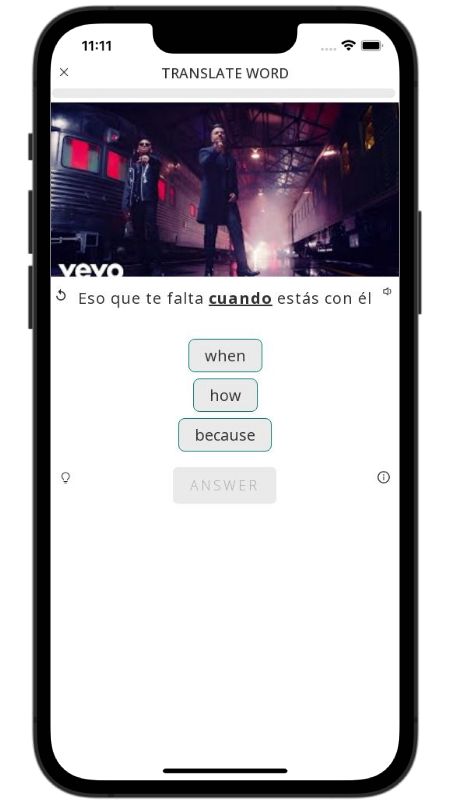
Luis Fonsi teams up with Ozuna to deliver a bold, danceable pop plea to a woman stuck in a passionless relationship. The central message is completely direct: her current partner simply cannot match what they had together. Fonsi opens by pointing out what she misses when she is with him ("Eso que te falta cuando estás con él" [What you lack when you are with him]), bluntly insisting that loyalty is pointless once the spark dies with the line "No hay que serle fiel cuando ya no hay amor" [There is no need to be faithful when love is gone].
Across the chorus, both singers make their ultimate claim: "Es imposible que te quiera como yo" [It is impossible for him to love you like I do] and "Es imposible que te bese como yo" [It is impossible for him to kiss you like I do]. Ozuna leans into the romantic memories, recalling falling for her face while dancing in the middle of the street ("Bailando aquí en el medio de la calle" [Dancing right here in the middle of the street]). He even asks for forgiveness if his desire crosses the line: "Dios mío que me perdone pero si es pecado / Solamente quiero morir a tu lado" [May God forgive me, but if it is a sin, I only want to die by your side]. It is a dramatic, confident song about fighting for an old flame.














![La Paz [Banda Sonora Original De La Serie "Zorro"] Lyrics Translation](https://img.youtube.com/vi/PQO-gPYX3Xo/mqdefault.jpg)