TE FUI A SEGUIR Lyrics in English by MILO J, Yahritza Y Su Esencia
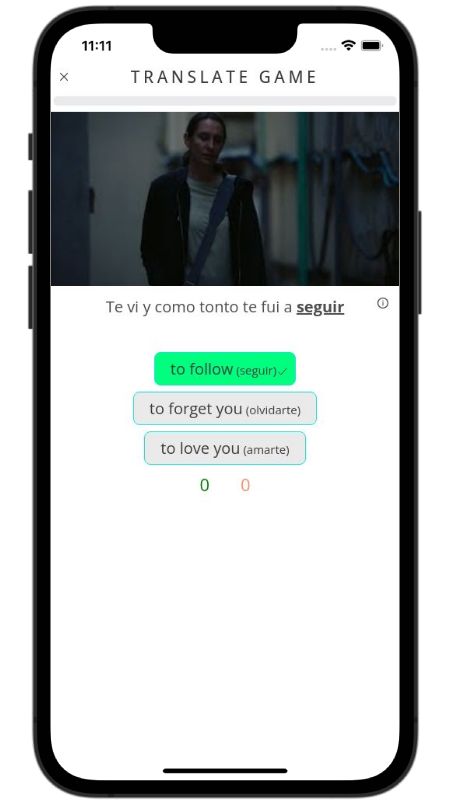
The verb cundir typically means 'to spread' or 'to yield'. However, in this song, Milo J uses it in a colloquial way common in Argentina, where 'te lo cundía' suggests something 'paid off for you' or 'was worth it for you'.
He sings about a time in their relationship without fights or suspicions, implying that this peaceful period was beneficial or fruitful for his partner. Learning this word is a fantastic glimpse into real-world, regional slang you won't find in a textbook!
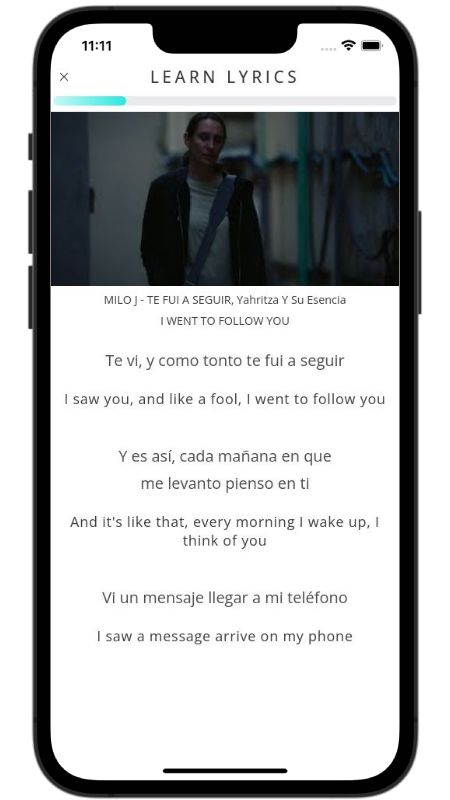
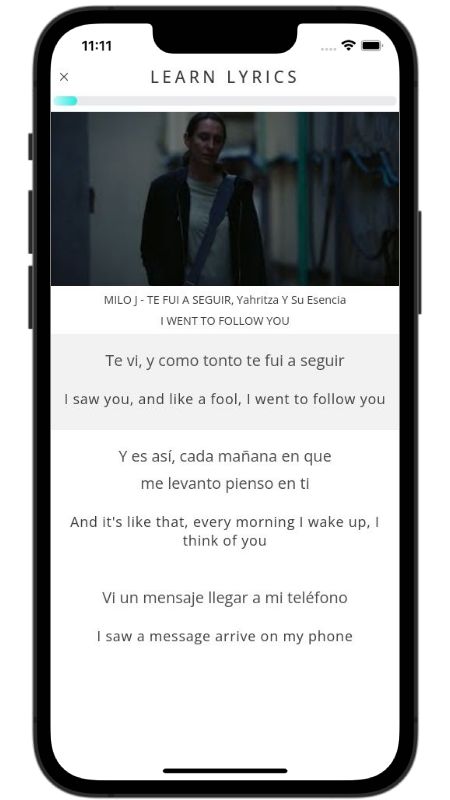
We have all done something foolish for a crush, but Argentine artist MILO J lays it out with painful honesty right from the jump: "Te vi, y como tonto te fui a seguir" ("I saw you, and like a fool I went to follow you"). Joined by Yahritza Y Su Esencia, this track cuts through the fantasy of a relationship that never truly existed. He admits that "Ni somos nada tú y yo" ("You and I aren't even anything"), yet every buzzing phone screen trickles hope before crushing it: "Pienso que eres tú... Y no eres tú" ("I think it's you... And it's not you"). The nights turn into a blur of late hours and drinking, caught in a loop where he keeps obsessing over her gaze while acknowledging that lingering there will only hurt him.
What makes this track bite is how blunt he gets when breaking down his own feelings. He notices that she lost whatever made her special in the first place, dropping the cold realization: "Sí, todavía te quiero pero creo que por dependencia y no por amarte" ("Yes, I still care for you, but I think it's out of dependency and not out of loving you"). Argentine street slang slips in naturally when he spits "te lo cundía"—a way of saying that things felt worthwhile or paid off for her back when they had no fights or suspicions. Yet by the time he asks "¿Por qué fui a enamorarme?" ("Why did I go fall in love?"), he already knows the party is over. It is late, the damage is done, and he is stuck staring into his drink trying to scrub her face out of his memory.