UNA BALA Lyrics in English by MILO J, Peso Pluma
Anhelos translates to "longings" or "deep desires". It’s a poetic and beautiful Spanish word that expresses a sense of yearning that is much stronger than a simple 'wish' or 'want'.
In the song, the singer laments, “Nunca hablé de mis anhelos” (I never spoke of my longings). This key line reveals his deep regret over not sharing his innermost hopes and dreams, suggesting this silence led to the relationship's end. It's a perfect word to describe the unspoken emotions that can shape our lives.
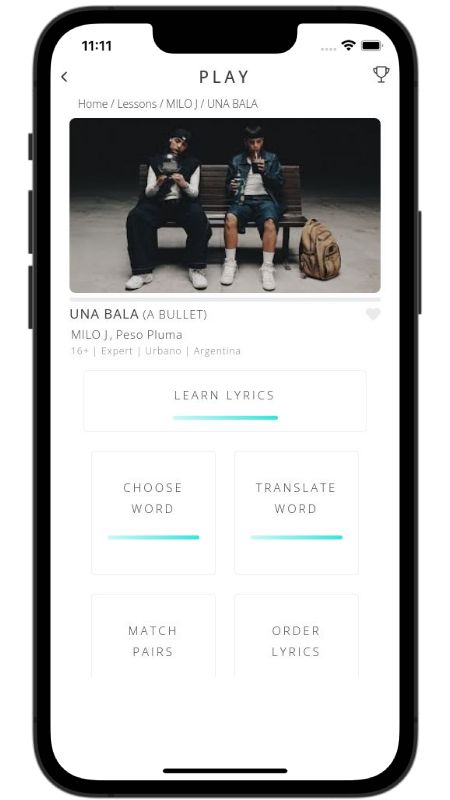
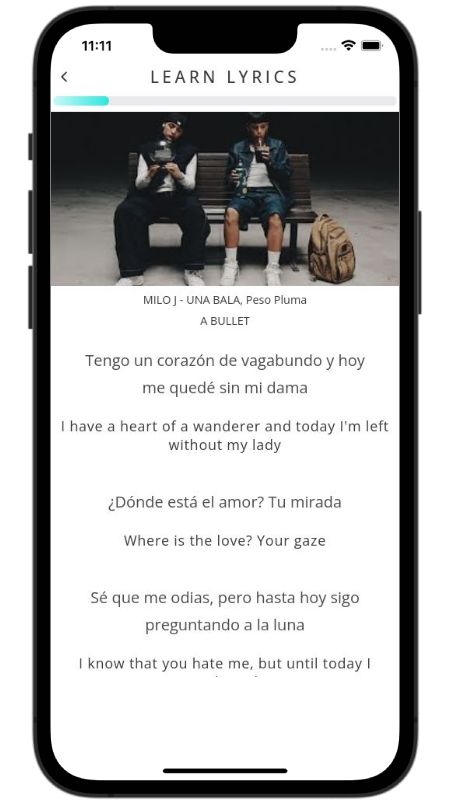
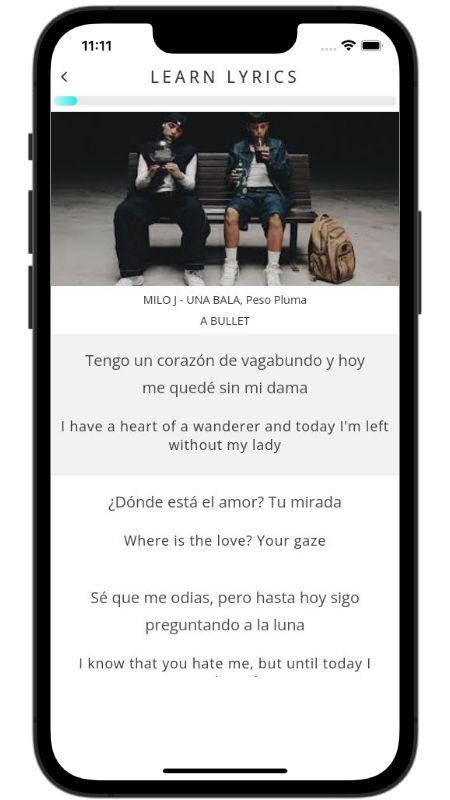
In "UNA BALA", Argentine artist Milo J teams up with Peso Pluma to obsess over an ex they pushed away with their own bad habits. The whole track is a blunt confession of self-sabotage. Instead of opening up, the narrator admits, "Nunca te abrí mi corazón y nunca hablé de mis anhelos" ("I never opened my heart to you and never spoke of my dreams"), and played mind games like pretending he wanted to leave just to get her to beg him to stay ("Me estaba haciendo el difícil para que te quedes aquí" ["I was playing hard to get so you would stay here"]). Now she is waking up next to someone else, leaving him asking the moon if she still lies awake thinking of him too.
The chorus drops one of the most memorable lines: "Si extrañarte fuera un arte / Haría cuadros con tu cara que valdrían un millón" ("If missing you were an art / I would make paintings of your face that would be worth a million"). But between the dramatic art metaphors and asking God for one more shot—or a literal bullet ("una bala")—the track stays grounded in specific, everyday regrets. He kicks himself for never showing her off in public ("nunca te presumí"), searches his phone for deleted WhatsApp photos, and drinks to cope while missing simple moments like listening to reggaetón together in the car.