Pacas De Billetes Lyrics in English by Natanael Cano
Coroné is the past tense of the verb coronar, which literally means "to crown". In modern slang, especially within Latin music, it's a very popular term for saying you succeeded, scored, or successfully pulled something off.
In the song, Natanael Cano sings "coroné la vuelta", which translates to "I completed the deal" or "I nailed the mission". It's a powerful and stylish way to talk about achieving a major goal, painting a picture of crowning your efforts with a king-like victory.
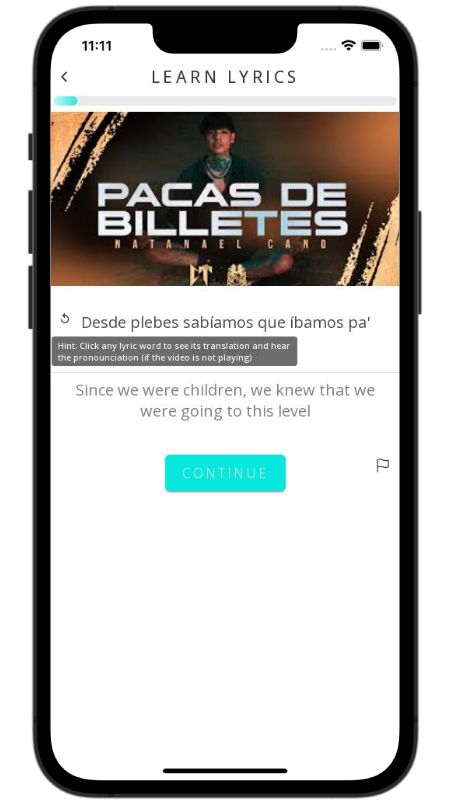
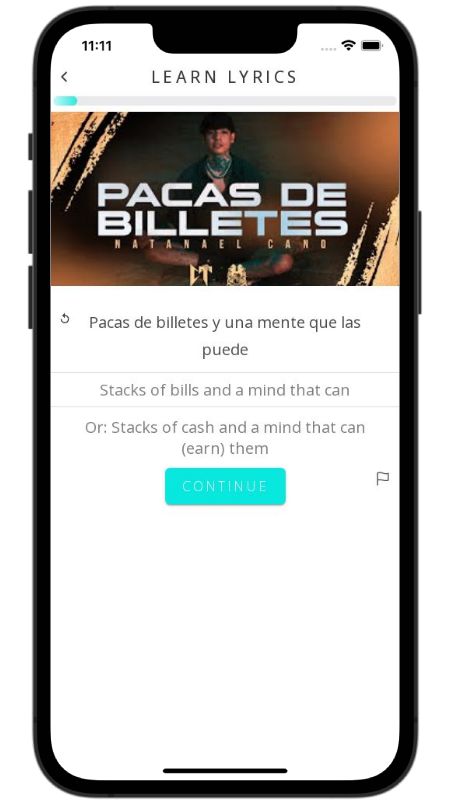
Natanael Cano is flexing without an ounce of shame here, and honestly, he makes it sound fun. Right off the bat, he sets the tone with stacks of cash and ambition, boasting: "Pacas de billetes y una mente que las puede" [Stacks of bills and a mind that can handle them]. He takes you straight from dreaming as a kid ("desde plebes") to hitting an elite tier of wealth where he can casually buy a Bugatti Chiron and hire a security crew. To mock the doubters who used to talk down to him, he calls them a "bola de hocicones" [bunch of big mouths / loudmouths]. It is blunt, petty, and completely true to the swagger of modern corridos tumbados.
What makes the track stick is the clash between lavish splurges and old-school street grit. One minute he is riding a jetski in Miami and popping bottles of champagne, and the next he is flashing "una de nueve tiros, cargo una Beretta" [a nine-round, I carry a Beretta]. He also drops the phrase "le metí los kilos" [I put in heavy work / went all out], slang for putting maximum hustle into the game. People tell him he changed ("Unos dicen que yo ya no soy el mismo"), but he shrugs it off. He fought for the good life, he climbed the ladder, and he is way too busy burning cash to care what anyone thinks.