Llorarás Lyrics in English by Oscar De Leon
Bandolera literally translates to "female bandit," like a woman who wears a bandolier (a belt for bullets). In the fiery world of salsa music, however, it's a powerful slang term for a heartbreaker or a "player".
When Oscar De Leon calls his ex a "Bandolera," he's painting a picture of a wild, untamable woman who stole his heart and broke the rules. It’s a much more dramatic and exciting insult than simply calling someone unfaithful, perfectly capturing the passion and pain of the song.
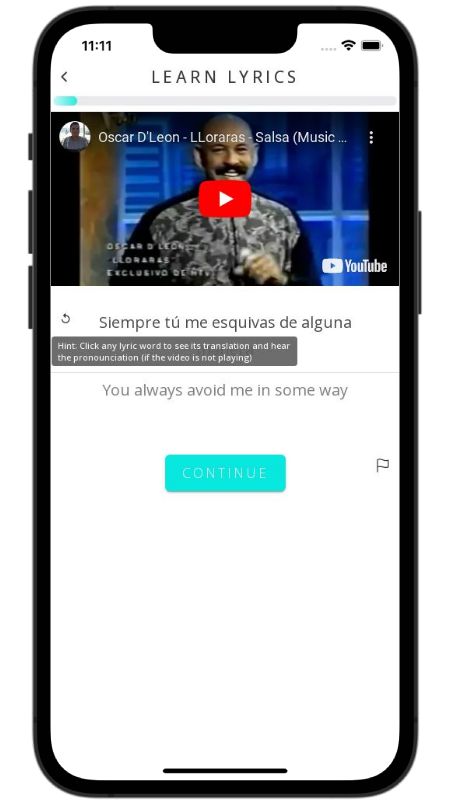
Venezuelan salsa legend Oscar D'León is completely fed up in this track, and he is not hiding it. The woman he wants keeps dodging him: Si te busco por aquí, me sales por allá ("If I look for you over here, you pop up over there"). He calls her a rumbera (a party girl) and a bandolera (a trickster or outlaw), warning her that running away and playing games comes with a heavy price tag. Instead of begging forever, he flips the script with total confidence. He tells her straight up that karma is coming, singing Llorarás y llorarás / Sin alguien que te consuele ("You will cry and cry / Without anyone to comfort you").
What makes this classic so satisfying is the sheer satisfaction in moving on. By the second half, the sadness is gone and the gloating begins: Tú me hiciste sufrir / Ahora quien ríe soy yo ("You made me suffer / Now I am the one laughing"). He promises that when she inevitably comes back begging for forgiveness, his heart will not even remember who she is. He wraps things up ready to celebrate his freedom around the holidays with a joyful Echa pa'lante que me voy / En esta Navidad mama ("Move on, because I'm out of here / This Christmas, babe"), dancing away while leaving his ex to deal with the heartbreak she caused.