Cielito Lindo Lyrics in English by Pedro Infante
contrabando literally means "contraband" or "smuggled goods". It's a word you'd normally associate with something illicit or secret, which makes its use in this classic folk song so surprising and poetic.
Here, the singer describes a pair of beautiful dark eyes coming down from the mountains "de contrabando" (like contraband). This metaphor suggests the eyes are so precious and captivating that they must have been brought in secretly, adding a layer of playful mischief and intrigue to this timeless declaration of love.
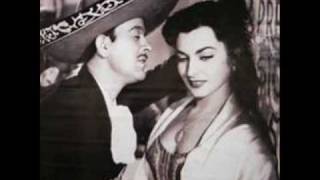
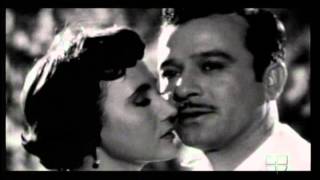
Mexican singer Pedro Infante brings serious swagger to this classic tune, which feels like a playful serenade packed with cheeky romantic advice. Right away, he spots a pair of dark eyes descending from the mountains: De la Sierra Morena, cielito lindo, vienen bajando un par de ojitos negros ("From the Sierra Morena, pretty darling, a pair of dark eyes is coming down"). He calls them de contrabando ("smuggled" or "contraband"), treating this woman's gaze like contraband snuck across a border because of how dangerously charming it is. Then comes that famous chorus: Canta y no llores, porque cantando se alegran, cielito lindo, los corazones ("Sing and don't cry, because singing makes hearts happy, pretty darling"). It is a straightforward, upbeat nudge to shake off bad feelings with music instead of tears.
From there, Infante gets very specific and territorial about her face. He sings, Ese lunar que tienes, cielito lindo, junto a la boca, no se lo des a nadie... que a mí me toca ("That beauty mark you have near your mouth, pretty darling, don't give it to anyone... because it belongs to me"). Claiming dibs on a facial mole sounds funny when you isolate it, but the phrasing makes it pure flirtation. By the end, he offers a little bit of practical caution: Siempre que te enamores, mira primero... donde pones los ojos... no llores luego ("Whenever you fall in love, look first where you set your eyes, so you don't cry later"). It is part pick-up line, part friendly warning, delivered with a wink.