Вечера (Vechera) Lyrics in English by Rauf & Faik
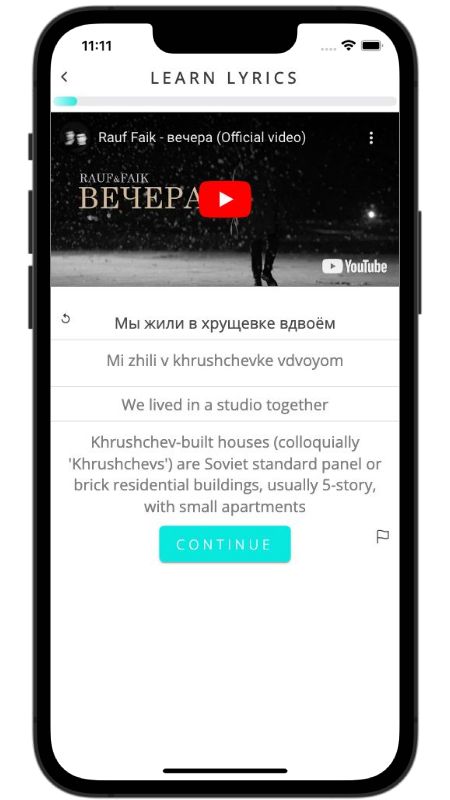
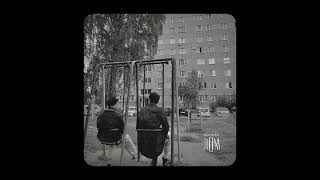
Хрущёвка is a colloquial term for a type of low-cost, concrete-paneled apartment building that was mass-constructed across the Soviet Union, starting in the late 1950s. The name is derived from the Soviet leader at the time, Nikita Khrushchev.
This one word is packed with cultural meaning, instantly painting a picture of cramped, simple living and post-Soviet nostalgia. It grounds the song's abstract feelings of lost love in a very real, tangible setting, making the story feel incredibly intimate and authentic.
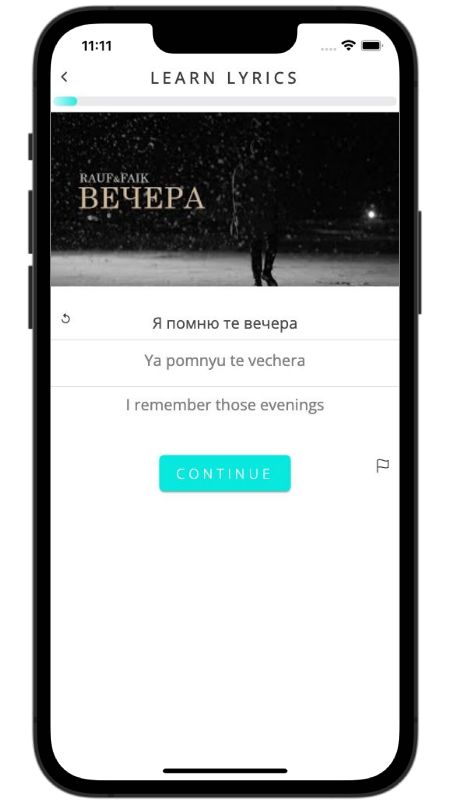
Rauf & Faik drop us right into a tiny, cramped apartment with "Вечера" (Evenings), and the setting tells the whole story. The track opens with the memory of living together in a khrushchyovka (хрущевка), a type of low-cost, Soviet-era concrete apartment building known for having very tight quarters. The claustrophobia practically jumps out of the line "В хрущевке мы вдвоём, и тесно кофе выпито" (In the khrushchyovka the two of us, cramped and the coffee is drunk). When the power cuts out ("Электричество все отключили" / They turned off all the electricity), burning the last remaining candles becomes a direct symbol for a dying relationship: "Я зажёг все последние свечи / Так угасла вся наша любовь" (I lit all the last candles / That is how all our love died out).
What makes the track stick with you are the small, everyday details left behind in the dark. Instead of grand romantic drama, the narrator is stuck staring at "мотылёк и дым от сигарет" (a moth and cigarette smoke) and withered flowers that still smell like his ex ("Потускневшие цветы, в которых запах твой" / Faded flowers that hold your scent). You get the feeling he is completely exhausted by the breakup, especially when he admits "Моя жизнь мне теперь нипочём" (I don't care about my life anymore) after she grew tired of his words. It is moody, direct, and built out of specific, fading memories.