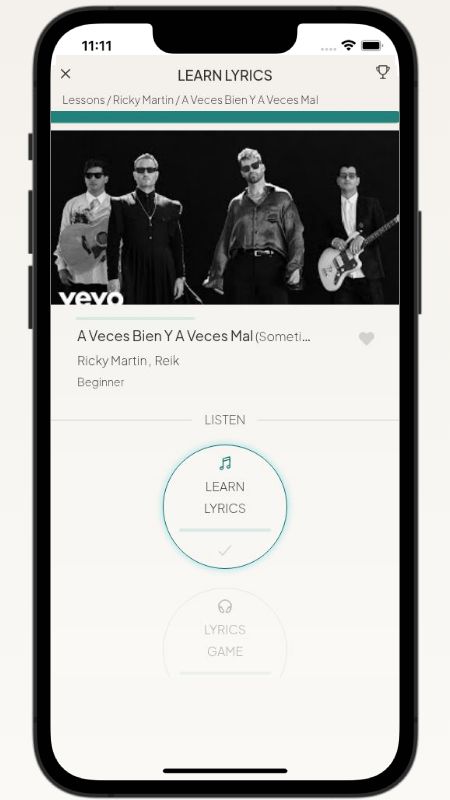
A Veces Bien Y A Veces Mal Lyrics in English by Ricky Martin, Reik
Rompecabezas is a fun Spanish word that literally means "head-breaker" (from romper - to break, and cabezas - heads). It's the common word used for a "jigsaw puzzle".
In this song, Ricky Martin uses it as a powerful metaphor for his life, singing "Le faltan piezas al rompecabezas" (The puzzle is missing pieces). He's expressing that his life feels incomplete and doesn't make sense without the person he loves, creating a vivid image of heartbreak.
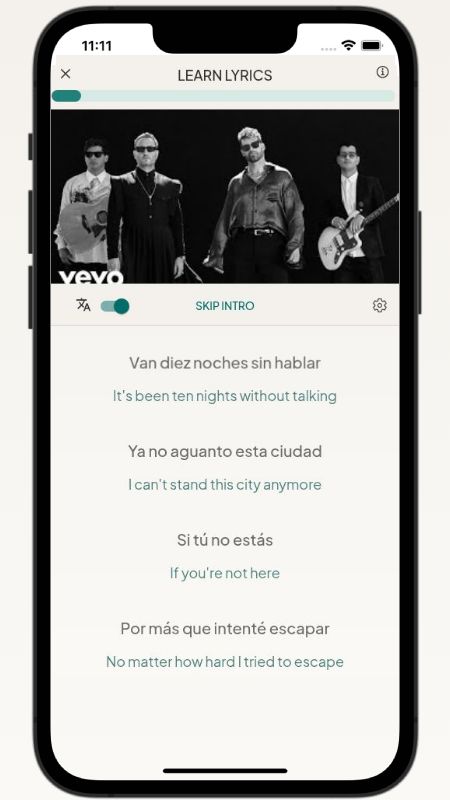
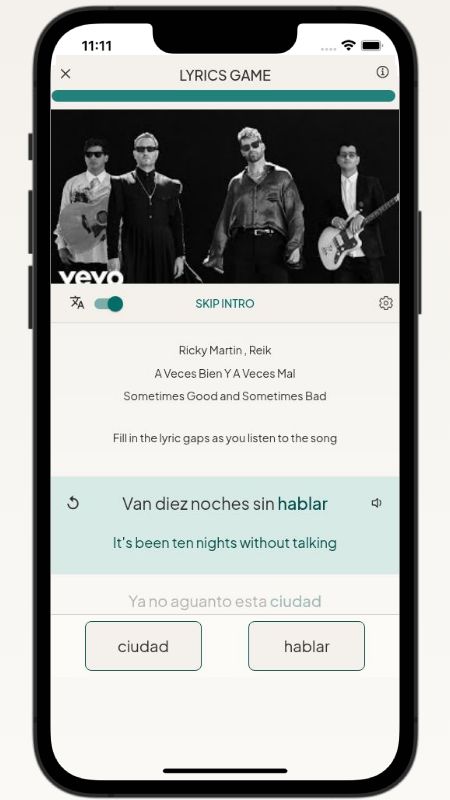
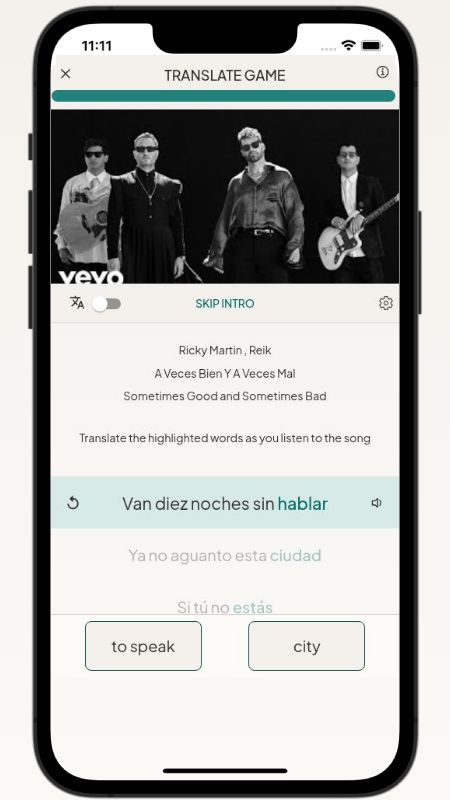
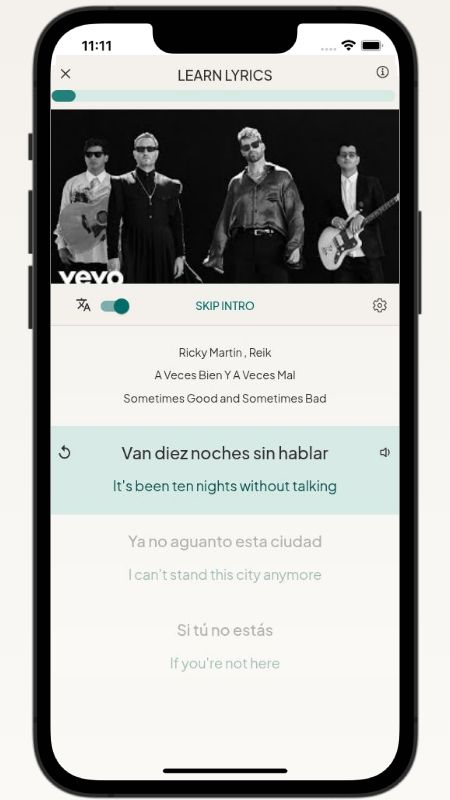
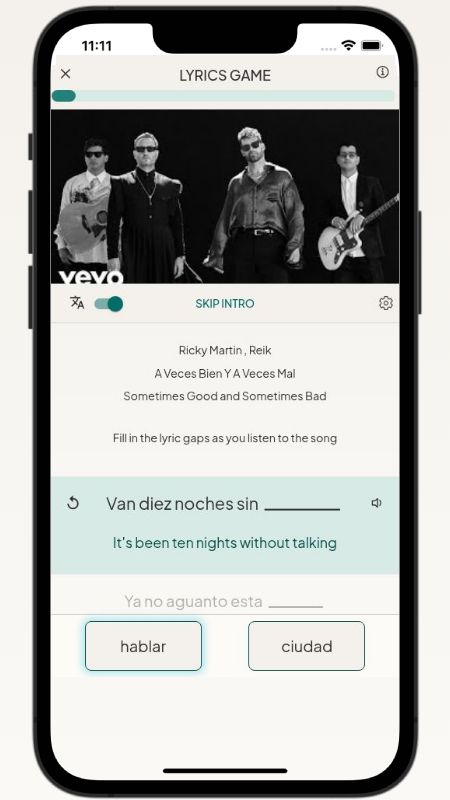
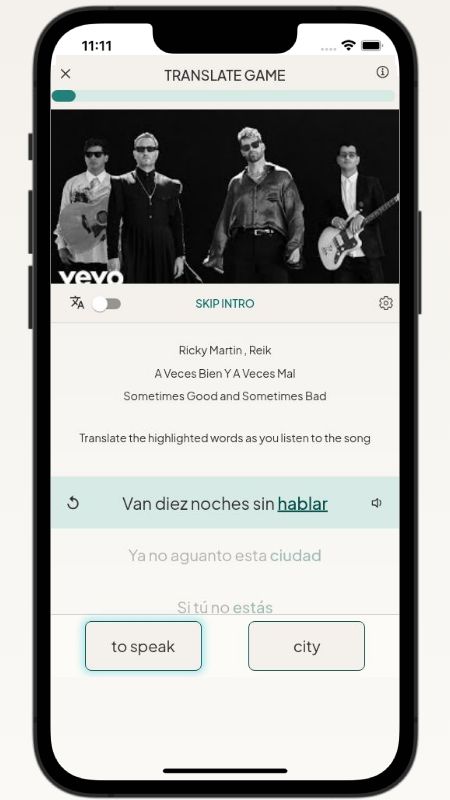
Going through a breakup turns everyday life into an emotional rollercoaster, and Puerto Rican pop star Ricky Martin joins forces with the Mexican group Reik to admit that they are simply taking it day by day. The song opens with a very relatable countdown: "Van diez noches sin hablar / Ya no aguanto esta ciudad / Si tú no estás" ("It's been ten nights without talking / I can't stand this city anymore / If you're not here"). It captures that heavy phase where someone tries to run away from their feelings, only to end up right back where they started. The core message shines through in the title phrase, "A veces bien / Y a veces mal" ("Sometimes good / And sometimes bad"), showing that healing is not a clean, straight line.
What makes the track so catchy and honest is how specific the lyrics get about post-breakup loneliness. The singer stares at his furniture and confesses, "Como pesan las fotos que siguen adornando mi mesa" ("How heavy the photos feel that still decorate my table"), using the Spanish word pesar (to weigh heavily) to describe the sheer emotional burden of old memories sitting in plain sight. He also uses the metaphor "Le faltan piezas al rompecabezas" ("The puzzle is missing pieces") to explain that life feels completely incomplete without his ex. Between wondering "¿Con quién estás?" ("Who are you with?") and admitting he is waiting around for a second chance, this track delivers a smooth pop look at how hard it is to move on.










![Adiós [Mambo Remix] Lyrics Translation](https://img.youtube.com/vi/C4plFyIPeLk/mqdefault.jpg)