Vuelve Lyrics in English by Ricky Martin
Aferrado comes from the verb aferrar, which means "to grasp" or "to cling to" tightly. It implies a sense of desperation, of not wanting to let go.
In this powerful ballad, Ricky Martin sings of "noches en vela aferrado a mi almohada" (sleepless nights clinging to my pillow). This creates a vivid and heart-wrenching image of loneliness and longing, perfectly capturing the raw emotion of the song.
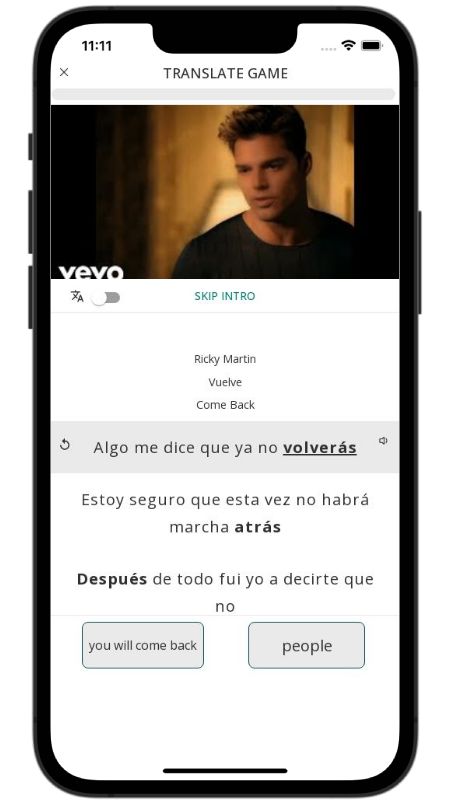
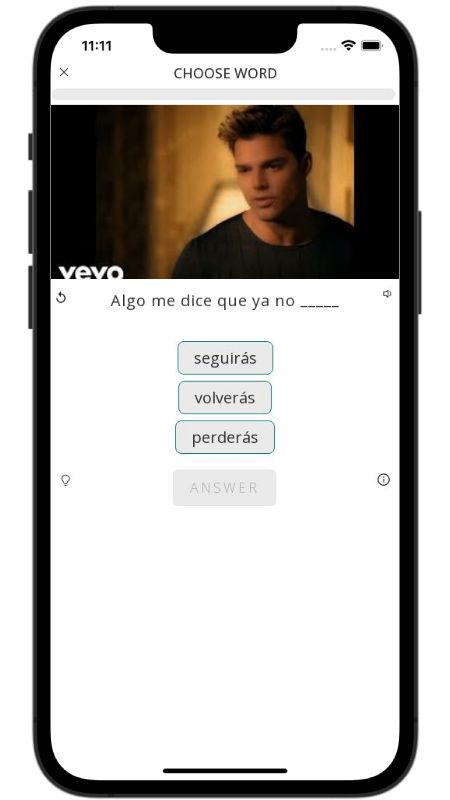
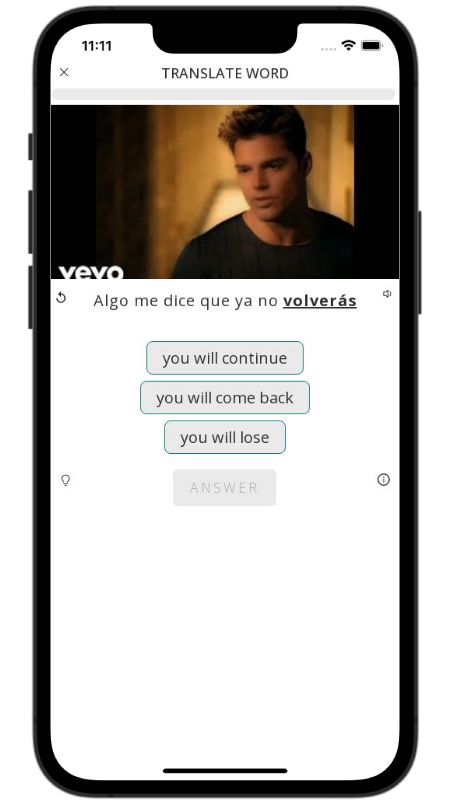
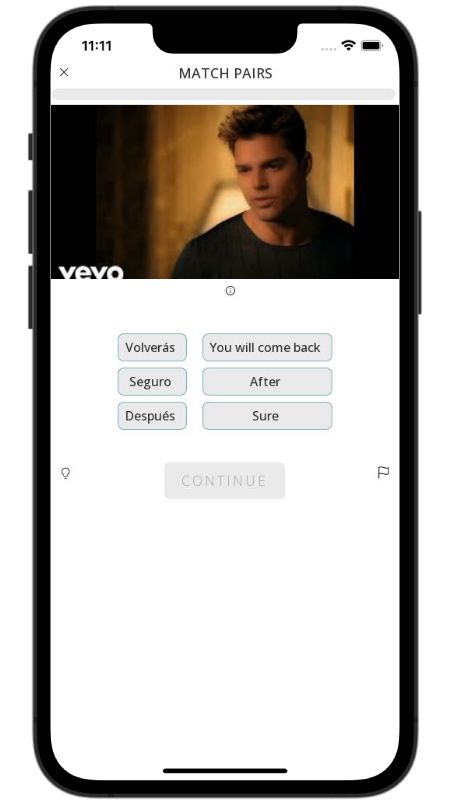
Ever dumped someone and instantly realized you made the worst mistake of your life? That is the exact mess Puerto Rican pop star Ricky Martin is sorting through in "Vuelve" (Come Back). He admits right off the bat that he was the fool who walked away: "fui yo a decirte que no" (it was me who told you no). But pride evaporates fast when loneliness sets in. He has spent restless nights clutching his bedsheets ("aferrado a mi almohada" / clinging to my pillow), tried to replace his ex with new dates, and found that nobody else fits. There is an entire chasm ("un abismo") between what he had and what he finds in others.
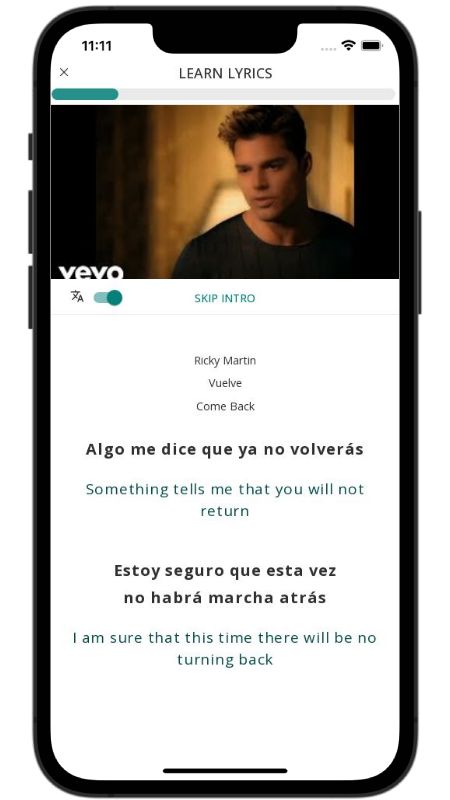
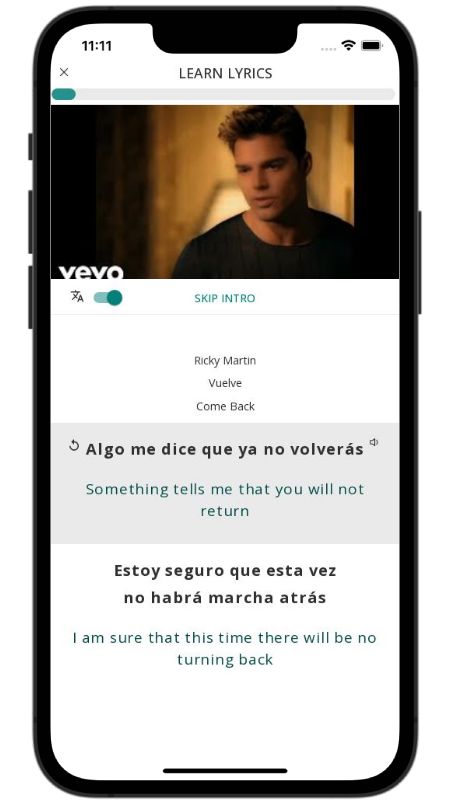
What makes this track hit so hard is the sheer desperation in the chorus. He pleads, "Vuelve, que me falta el aire si tú no estás" (Come back, because I lack air if you are not here), turning heartbreak into literal suffocation. He also drops great everyday idioms for Spanish learners, like "marcha atrás" (literally "reverse gear," meaning there is "no turning back") and "noches en vela" (sleepless nights, or "nights on vigil"). He knows it might be too late, yet he refuses to let go, staring at an empty room that suddenly feels way too big without her.











![Adiós [Mambo Remix] Lyrics Translation](https://img.youtube.com/vi/C4plFyIPeLk/mqdefault.jpg)