Imitadora Lyrics in English by Romeo Santos
Usurpadora is the feminine form of "usurper," someone who wrongfully seizes another's place or power. It's a powerful, dramatic word you won't hear in everyday conversation, making it very memorable.
In this bachata hit, Romeo Santos feels his lover has been replaced by an imposter. He sings, "le pongo fin a la impostora, usurpadora" (I'm putting an end to the impostor, the usurper), accusing this new version of his partner of illegally stealing the place of the woman he truly loves. This theatrical word perfectly captures the song's high-stakes emotion.
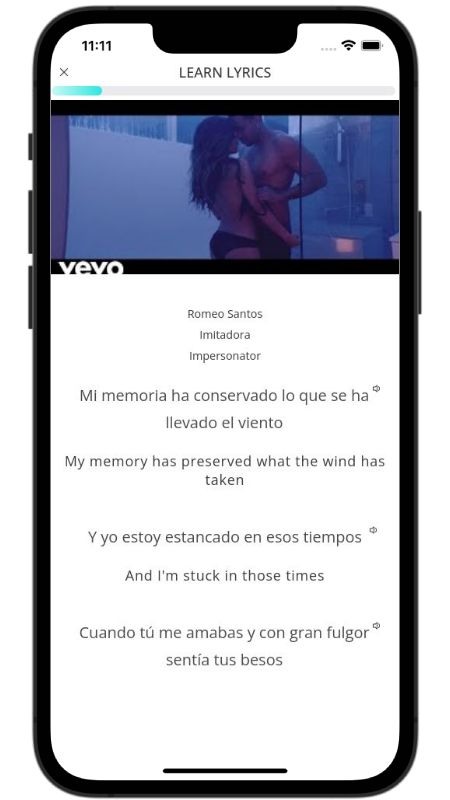
Romeo Santos takes relationship drama to a whole new, theatrical level in "Imitadora". He feels so disconnected from his partner's sudden coldness that he refuses to believe she is the same person who used to give him goosebumps. Instead of just talking through the rough patch, he acts like a detective cross-examining a fraud. He boldly calls her a "mala imitadora" (bad copycat) and an "usurpadora" (usurper), demanding a formal interview to expose her as an impostor who stole his true love's identity.
To prove she is a fake, Romeo starts throwing out pop-quiz questions only the "original" lover could answer. He asks for ultra-specific memories: "¿Dónde fue bajo la lluvia que te di ese primer beso?" (Where under the rain did I give you that first kiss?) and demands the exact "número de alojamiento" (hotel room number) from their first intimate night together. He even quizzes her on physical secrets, asking if her favorite sweet spot is her neck or her "ombliguito" (belly button). It is a dramatic, entertaining way to say the passion has vanished, turning a classic heartbreak story into a full-blown identity heist.