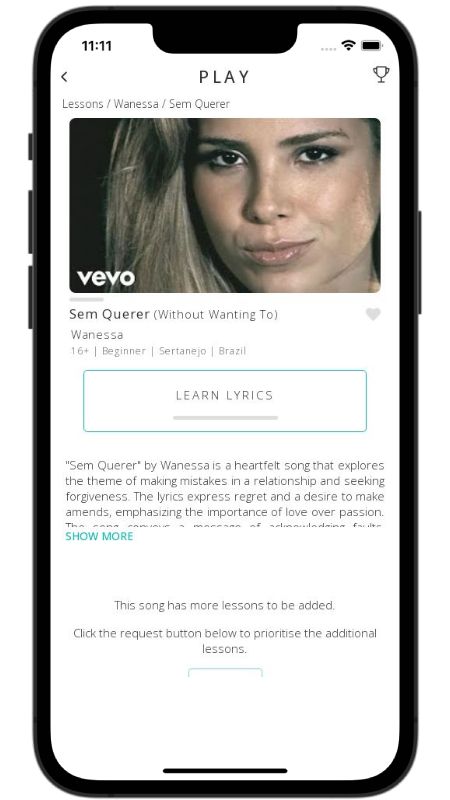
Sem Querer Lyrics in English by Wanessa
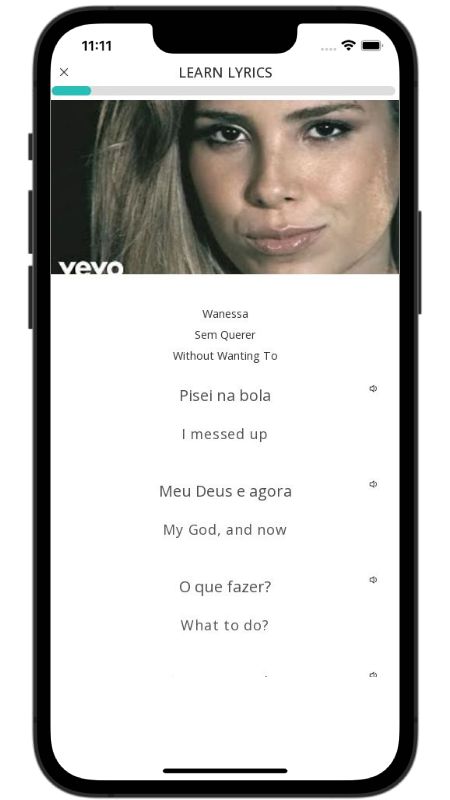
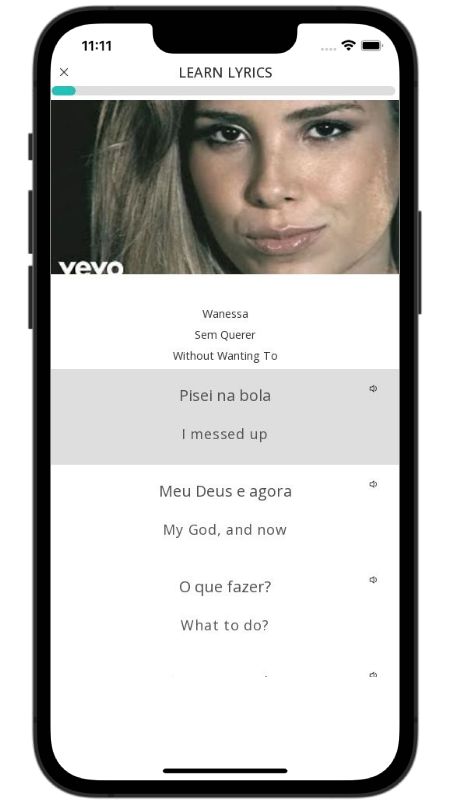
Literally translating to "I stepped on the ball", pisei na bola is a classic Brazilian Portuguese idiom for saying "I messed up" or "I made a mistake". It's a colorful and common expression that likely comes from the world of soccer (futebol), where stepping on the ball would be a clumsy error.
In the song, the singer uses this phrase right at the beginning to confess her mistake and express regret, setting the tone for her apology. Learning this idiom is a great way to sound more like a native speaker and understand a piece of Brazilian culture!
We have all messed up and immediately panicked, and that is exactly where Wanessa starts in this sertanejo track. Right out of the gate, she drops the everyday Brazilian idiom "Pisei na bola" (literally "I stepped on the ball," meaning "I screwed up" or "I dropped the ball"). She doesn't hide behind excuses. She admits she made a mistake with "Não sou covarde / Sei reconhecer / Que eu errei" ("I'm not a coward / I know how to admit / That I was wrong"), desperate to stop her partner from walking out the door before they even have a conversation.
Her whole defense hinges on one simple truth: whatever hurt she caused, "foi sem querer" ("it was unintentional" or "by accident"). She begs for another chance because walking away without talking is absurd ("É um absurdo / Terminar / Sem conversar"). Wanessa drives home that what they built is bigger than a brief flare of anger, repeating "O amor falou mais alto que a paixão" ("Love spoke louder than passion"). It is a frantic, direct plea to save a relationship after a bad stumble, reminding the other person that she is still completely crazy about them.