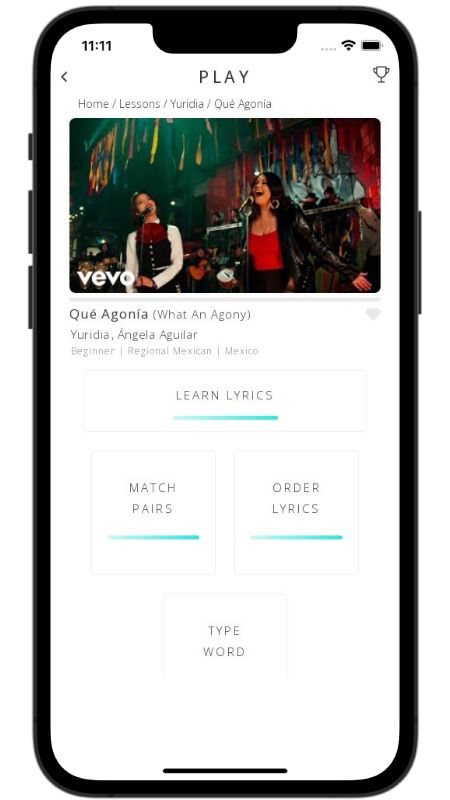
Qué Agonía Lyrics in English by Yuridia, Ángela Aguilar
Agonía is a powerful word that translates directly to "agony," meaning extreme mental or physical suffering. It's a dramatic and poetic term you won't find in most pop songs, making it a truly special vocabulary word.
In this heartbreaking ballad, Yuridia sings that trying to live without her lost love has been an "absurda agonía" (an absurd agony). Using such a strong word perfectly captures the profound and constant pain of regret and longing, making it the emotional core of the entire song.
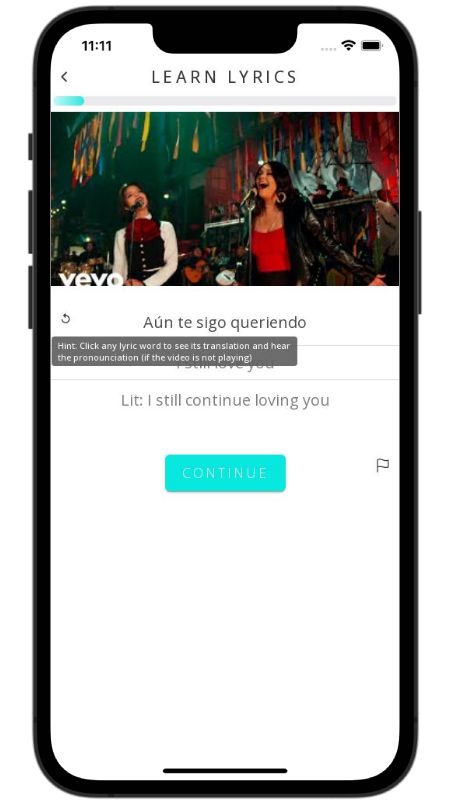
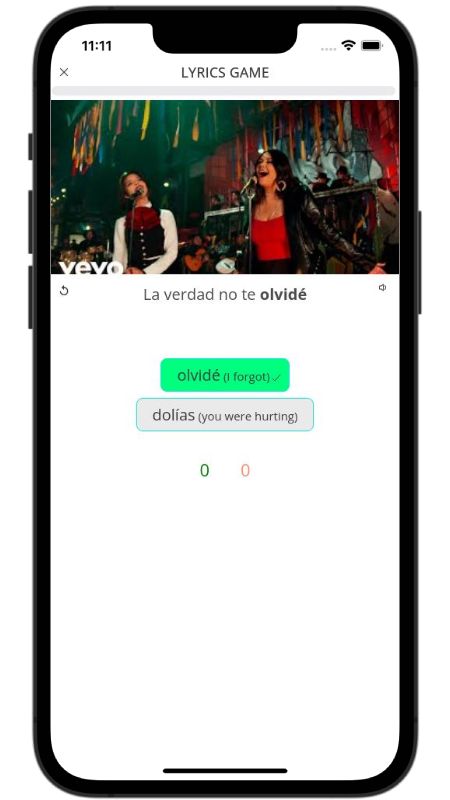
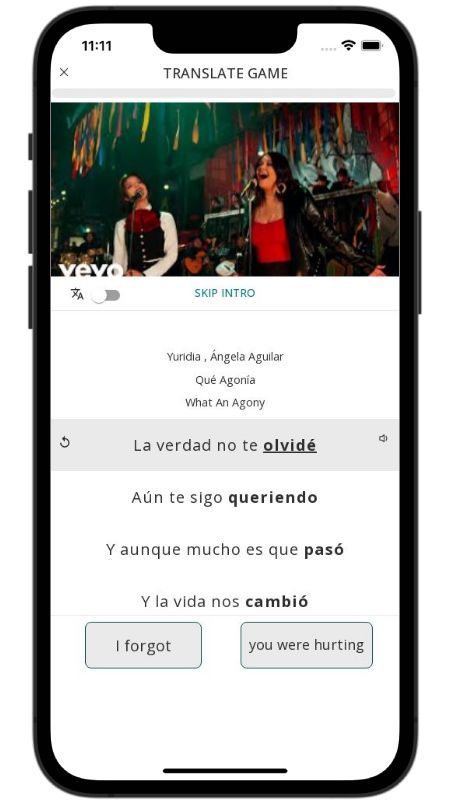
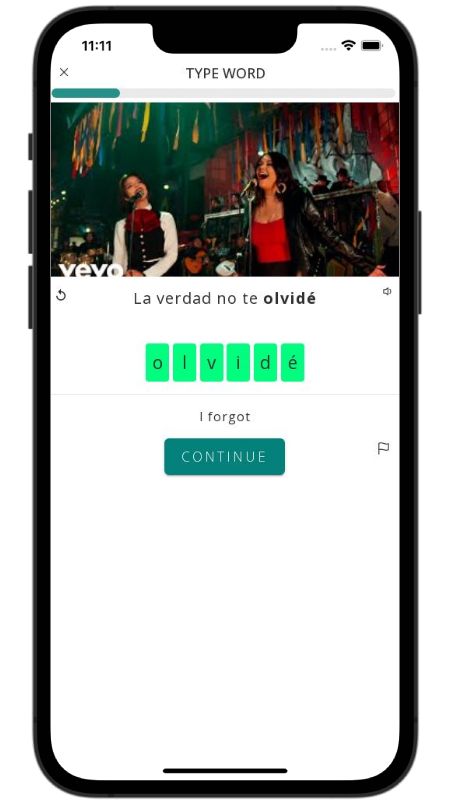
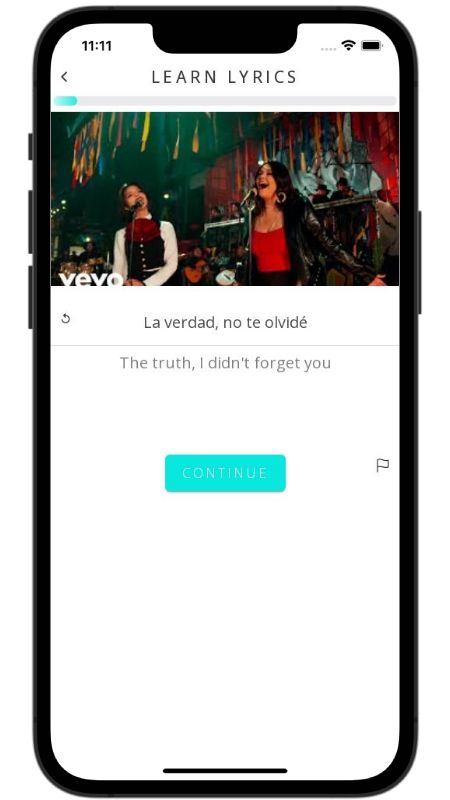
Have you ever tried convincing yourself you are totally over an ex, only to realize years later that you were completely lying to yourself? That is the exact mess Mexican singer Yuridia and Ángela Aguilar bring to life in this Regional Mexican powerhouse duet. Right from the start with "La verdad, no te olvidé" (To tell the truth, I didn't forget you), the singers drop all pretenses. They spent years trying to ignore the sting, but settling for life apart turned out to be an "absurda agonía" (absurd agony). Instead of blaming the other person, this track leans into total, crushing self-accountability.
The real punch comes in the chorus when they plainly admit, "Perdón si no te supe amar / Yo sé que merecías más" (Sorry if I didn't know how to love you / I know you deserved more). The phrase "no te supe amar" literally translates to "I didn't know how to love you," which carries that heavy weight of realizing you lacked the maturity or skill to treat someone right when you had the chance. Realizing that a love like that only happens once ("Amores como tú, hoy sé / Sólo se viven una vez"), all they have left is to cling to the memory of the past while letting out that dramatic, titular cry: "¡Qué agonía!" (What agony!).









![Te Equivocaste [Primera Fila] Lyrics Translation](https://img.youtube.com/vi/-pYscaBMzSw/mqdefault.jpg)