Pecado Lyrics in English by Caetano Veloso
Pecado translates to "sin". It is the central theme of this classic song, which describes a love so powerful and overwhelming that it feels forbidden by society.
Caetano Veloso questions if his love is a pecado that will lead to punishment (castigo), but ultimately decides that the feeling is stronger than any rule or fear. The use of this word immediately sets a dramatic and passionate tone, inviting the listener into the story of a forbidden romance.
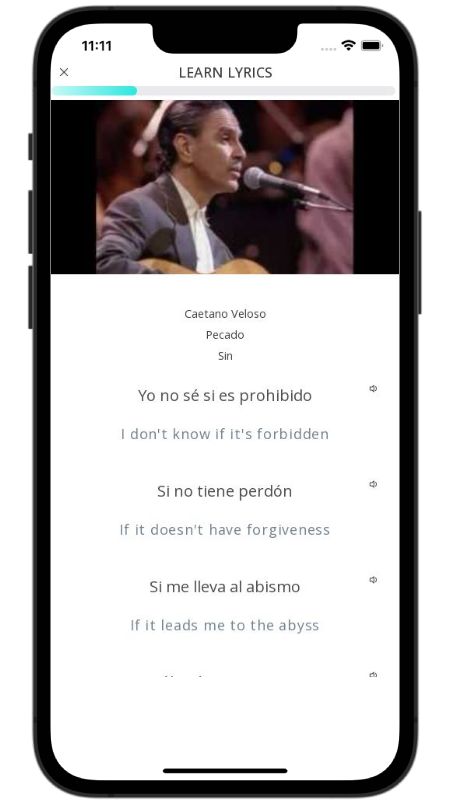
Caetano Veloso delivers a dramatic confession in "Pecado", singing about a love so intense that it tosses rules straight out the window. The singer admits right away that he has no clue whether this feeling brings divine punishment: "Yo no sé si este amor es pecado / Que tiene castigo" ("I don't know if this love is a sin / That carries punishment"). He describes being pulled around like a leaf in bad weather with the phrase "como un torbellino" ("like a whirlwind"), dragged blindly straight into someone's arms. It is hopelessly melodramatic, but he commits to it completely.
Instead of backing away in fear, he doubles down against every moral code he knows. The chorus puts desire way above religion and destiny: "Es más fuerte que yo / Que mi vida, mi credo y mi signo" ("It is stronger than me / Than my life, my creed, and my star sign"). In Spanish, your "signo" refers to your astrological sign, meaning your mapped-out fate cannot stop this either. Even if sacred customs and society say no, he clings to the romance anyway with "Me aferro a este amor" ("I cling to this love"). It is a stubborn, guilty, all-consuming crush that chooses chaos over good behavior.