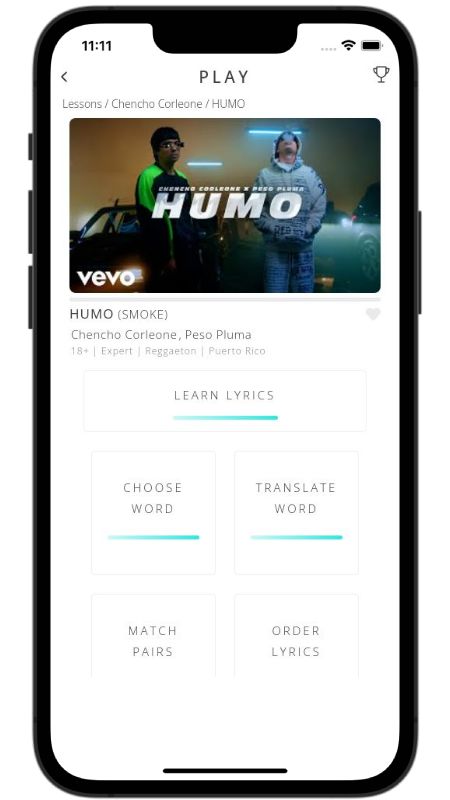
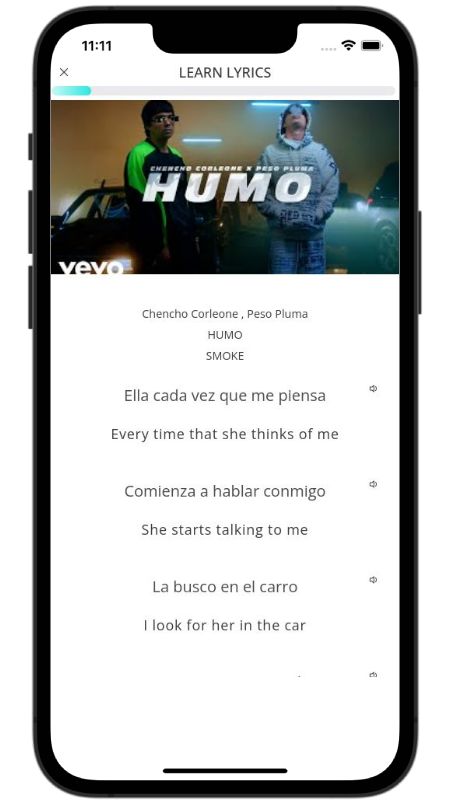
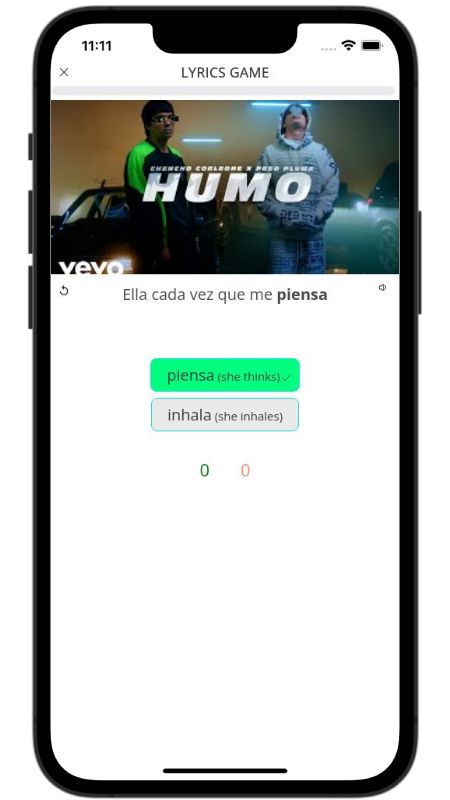
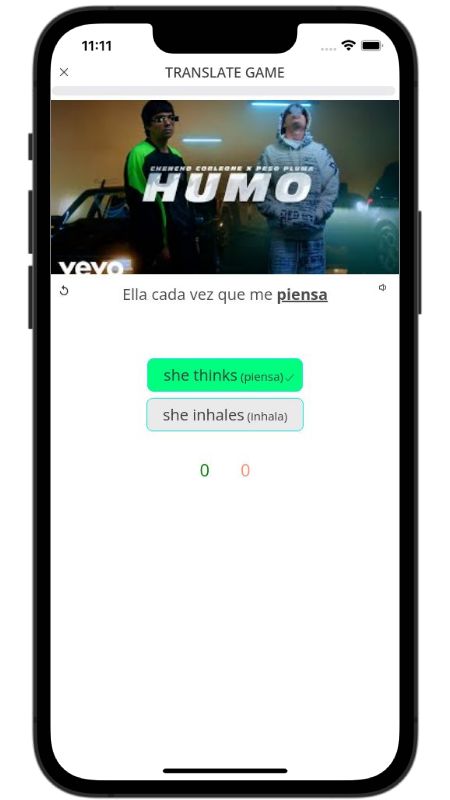
HUMO Lyrics in English by Chencho Corleone, Peso Pluma
Embriagué is the past tense of the verb embriagar, which literally means "to get drunk". It's a powerful and poetic word to describe a state of intoxication.
In the song, Chencho Corleone uses it metaphorically, singing "de sus besos embriagué" (I got drunk on her kisses). He's not talking about alcohol, but about the overwhelming, intoxicating feeling of being with this person, as if their kisses alone are enough to make him lose his senses. It's a beautiful example of how Spanish uses figurative language to express intense emotions.
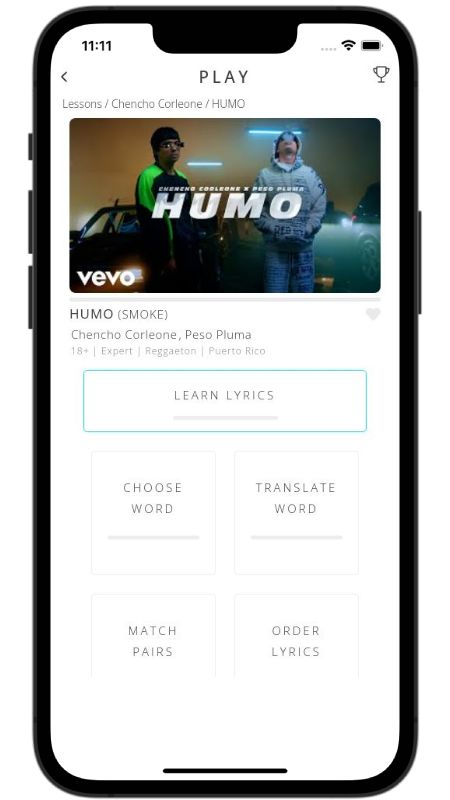
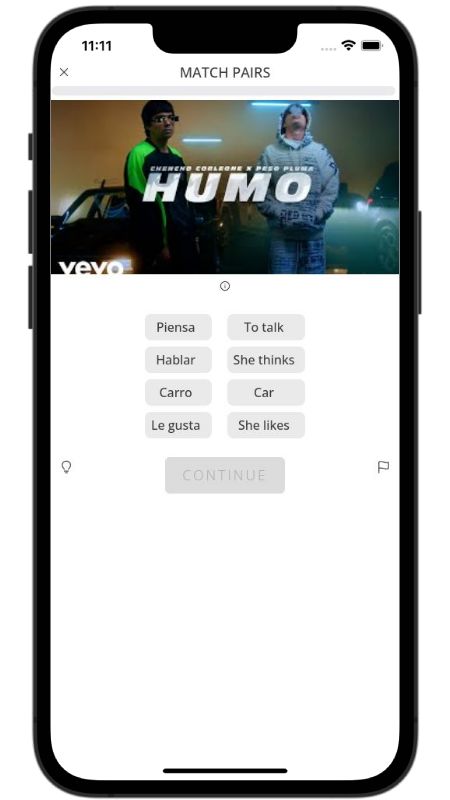
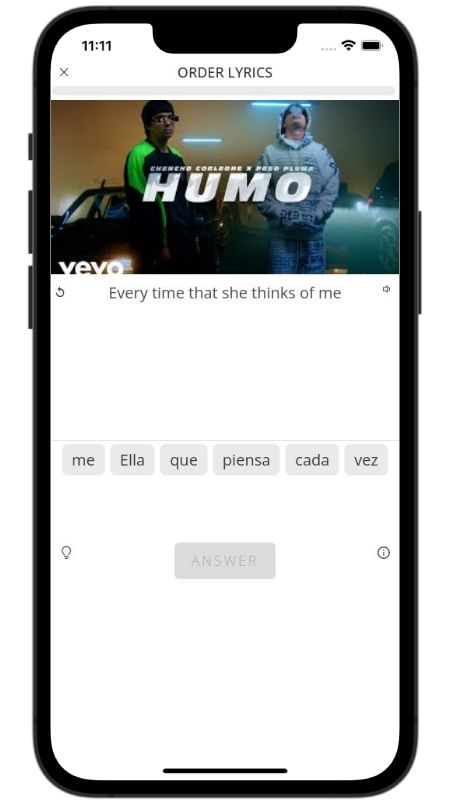
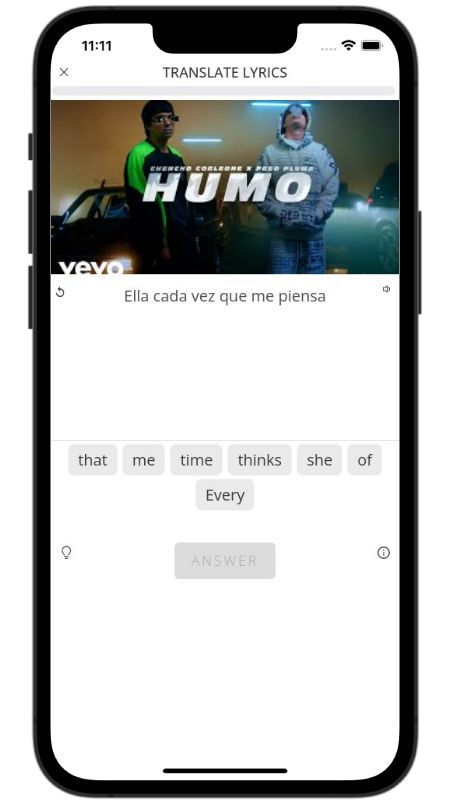
"HUMO" teams up Puerto Rican reggaeton veteran Chencho Corleone with Mexico's Peso Pluma for a track all about late-night drives, smoking, and casual hookups without emotional strings attached. The title means "smoke," and the chorus is as literal as it gets: "Inhala humo, aguanta el humo" ("Inhale smoke, hold the smoke") sets a hazy scene where both singers describe picking up a partner who only reaches out when she wants to mess around. There is zero romance intended here. As the lyrics bluntly put it, "Los dos sabemos que esto no es pa' casarse" ("We both know this isn't for getting married").
What makes the track fun for Spanish learners is how naturally it uses Caribbean street slang to talk about low-maintenance flings. When Chencho says "borramos cinta" ("we blacked out" or "we erased the tape"), he is using a classic idiom for partying so hard you forget what happened. Later, Peso Pluma explains that neither person called the next morning, but "ninguno de los dos se encojonó" ("neither of us got pissed off"). That comes from Puerto Rican slang where encojonarse means to get angry or upset. The whole vibe boils down to one simple rule: "Entre nosotros no hay ley" ("Between us there is no law"). Nobody owes anyone an explanation, nobody gets jealous when other suitors shoot their shot ("No importa quién le tire" / "No matter who hits on her"), and the connection stays active only on their own terms.