Podés Pedirme Perdón Lyrics in English by Emanero, Angela Leiva
Desenamoré is the past tense of the verb desenamorarse, which means 'to fall out of love'. It's a powerful and specific verb that captures the painful process of losing feelings for someone.
In this song, the artist uses it to express a definitive end to a toxic relationship: "Fueron tantas mentiras tontas que me desenamoré" (There were so many silly lies that I fell out of love). It's a less common and more impactful way to say 'I stopped loving you', making it particularly memorable and relevant to the song's theme of moving on from a hurtful past.
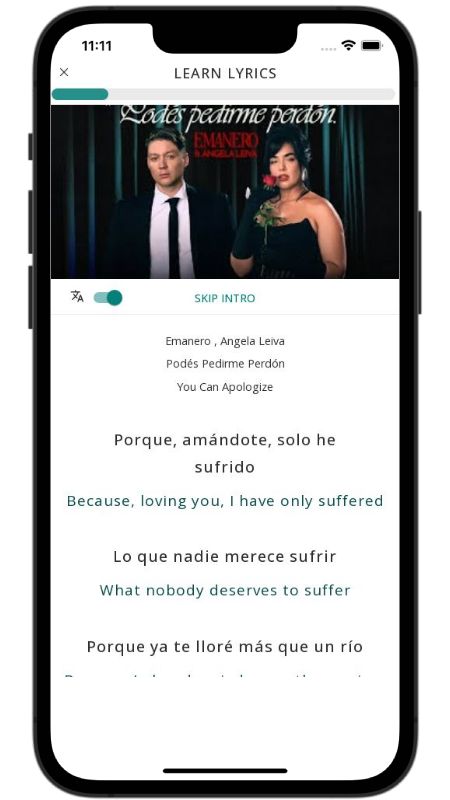
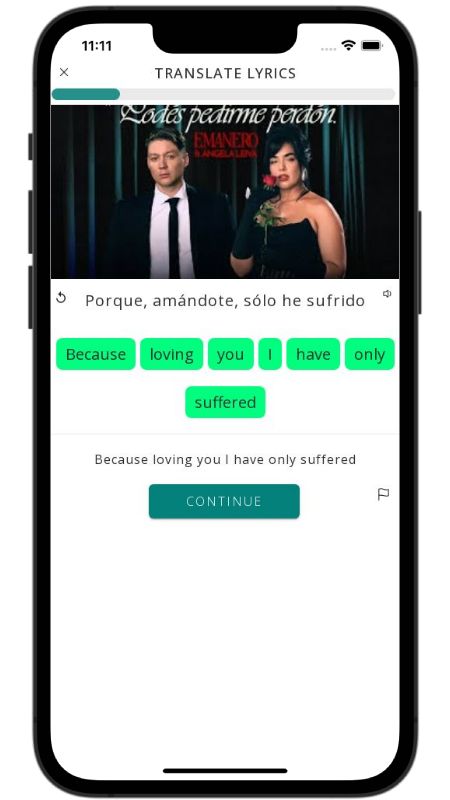
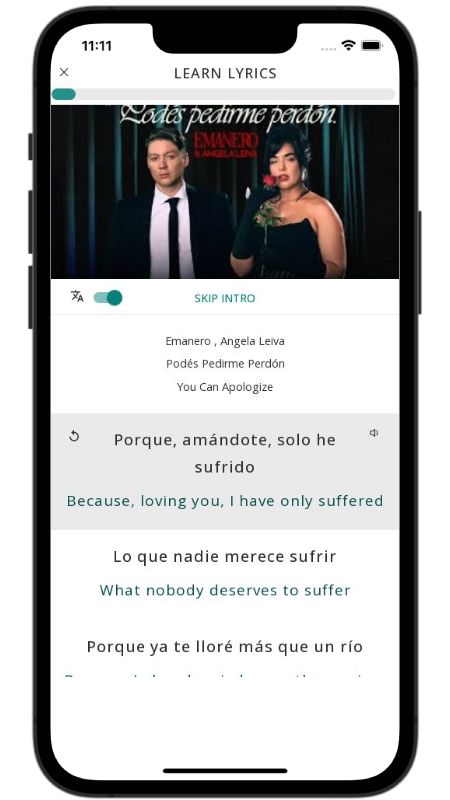
If you have ever wasted months trying to fix someone who refused to grow up, this track hits right where it hurts. Argentine rapper Emanero teams up with cumbia star Angela Leiva for an absolute masterclass in slamming the door on a bad romance. Right from the start, Leiva lays down the damage: "Porque, amándote, sólo he sufrido lo que nadie merece sufrir" ("Because, loving you, I only suffered what nobody deserves to suffer"). She cries "más que un río" ("more than a river"), but the payoff is pure satisfaction. Now the tearful begging is running in reverse, and the chorus delivers the ultimate kiss-off: "Podés pedirme perdón, podés llamarme y rogarme, pero eso no va a arreglarme el corazón" ("You can ask for forgiveness, you can call me and beg me, but that won't fix my heart").
When Emanero jumps in, he strips away any leftover romantic illusions. He calls out the relationship for what it was: "sos lo más tóxico que viví" ("you are the most toxic thing I've lived through"). He even drops some sharp local slang when he shouts "¡Qué runfla, papá!", using the Argentine lunfardo word runfla (which describes a shady, deceitful gang or clique of untrustworthy people) to mock the drama before giving way to Leiva's cumbia energy. There is no soft landing here. Between Leiva admitting "me di cuenta que no eras tanto" ("I realized you weren't all that") and Emanero refusing to answer the phone ("no pienso atender"), the track turns genuine exhaustion into sweet revenge: "Y ahora me toca a mí verte llorar queriendo volver" ("And now it's my turn to watch you cry, wanting to get back together").