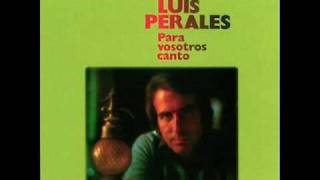
Canción Para La Navidad Lyrics in English by José Luis Perales
Alforja translates to "saddlebag" or "haversack". It's a charmingly specific and somewhat old-fashioned word that you don't encounter in everyday conversation or most pop songs, making it quite unique.
In the context of this Christmas song, it's used when inviting the "caminante sin hogar" (homeless traveler) to come in and "deja tu alforja llenar" (let your saddlebag be filled). This imagery beautifully conveys the spirit of generosity and hospitality during the holiday season, offering comfort and provision to those in need.
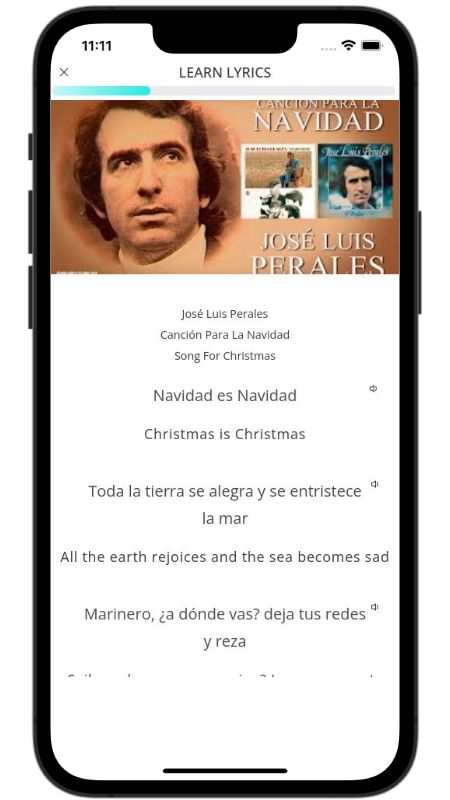
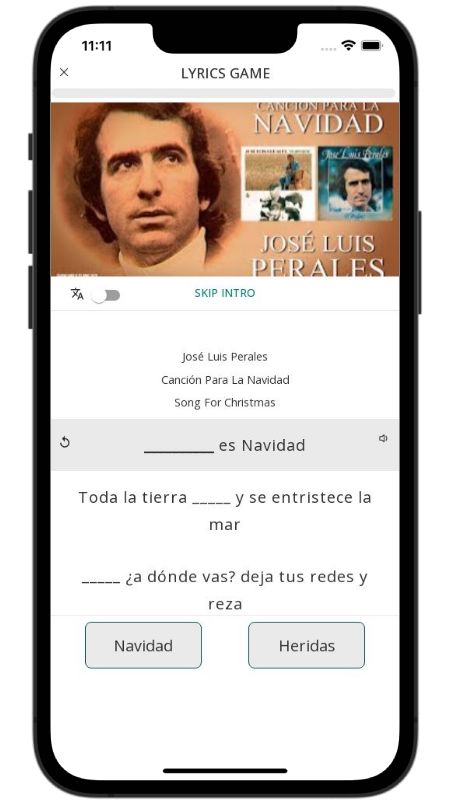
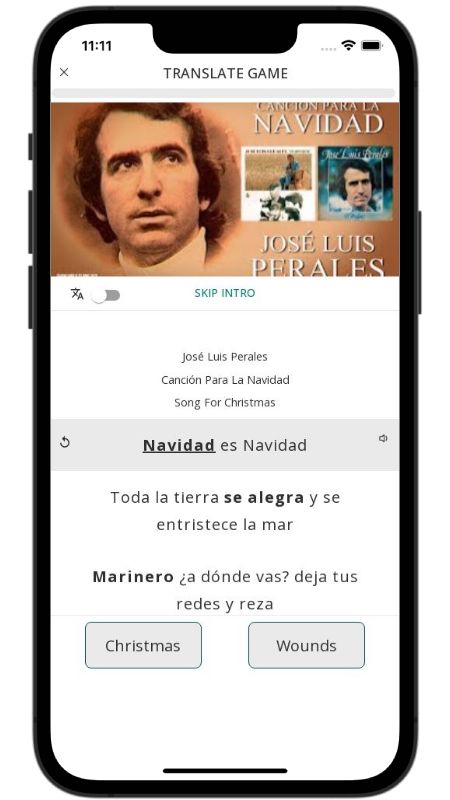
Spanish singer-songwriter José Luis Perales brings a distinct mood to the holiday season with "Canción Para La Navidad". Instead of a glossy, generic celebration, the track reaches out directly to people dealing with hardship, isolation, or danger on Christmas Eve. Perales contrasts joy on land with sorrow on the water in "Toda la tierra se alegra y se entristece la mar" ("All the earth rejoices and the sea grows sad"). He speaks to a sailor far from home, urging him: "deja tus redes y reza / Mira la estrella pasar" ("leave your nets and pray / Watch the star pass by") and to turn his fishing boat into a place of worship ("haz en tu barca un altar" [make an altar in your boat]).
The song opens its doors to anyone hurting. Perales sings to sick patients in "Noches blancas de hospital" ("Sleepless white nights in the hospital"), asking them to stop crying because "el niño está por llegar" ("the child is about to arrive"). He invites the homeless wanderer inside with "Caminante sin hogar ven a mi casa esta noche / Que mañana Dios dirá" ("Homeless walker come to my house tonight / For tomorrow God will provide"). The Spanish idiom "mañana Dios dirá" literally means "tomorrow God will say," but people use it to mean "we'll worry about tomorrow when it comes." He tells this traveler to fill his bag ("alforja" [saddlebag or travel pouch]) and calls the wounded soldier to return home so he can heal and find peace ("Ven soldado, vuelve ya para curar tus heridas / Para prestarte la paz" [Come soldier, come back now to heal your wounds / To lend you peace]). It is a direct, compassionate call for shelter and rest.