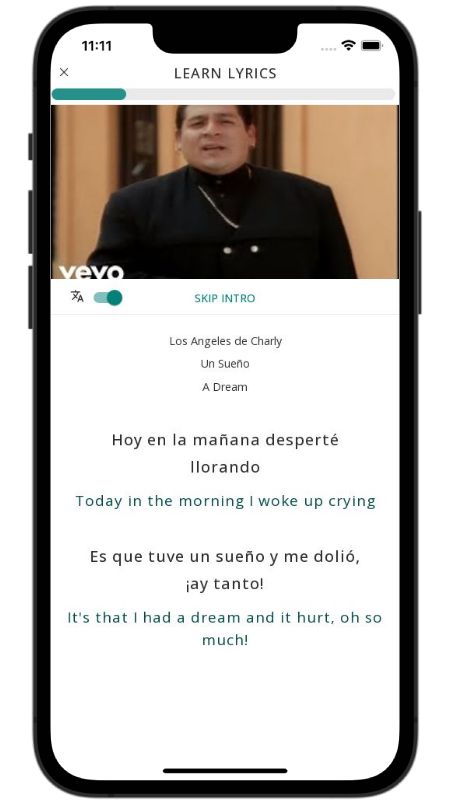
Un Sueño Lyrics in English by Los Angeles de Charly
Dueño literally translates to "owner." While this might sound intense in English, in many romantic Spanish songs, it's used as a poetic way to express deep passion and exclusivity.
In "Un Sueño," the singer wakes from a nightmare where his love is with someone else. Relieved to find it was just a dream, he sings, "Hoy soy tu único dueño" (Today, I am your only owner), passionately declaring that he is the one and only in her life. It's a dramatic and memorable word choice that perfectly captures the song's emotional rollercoaster.
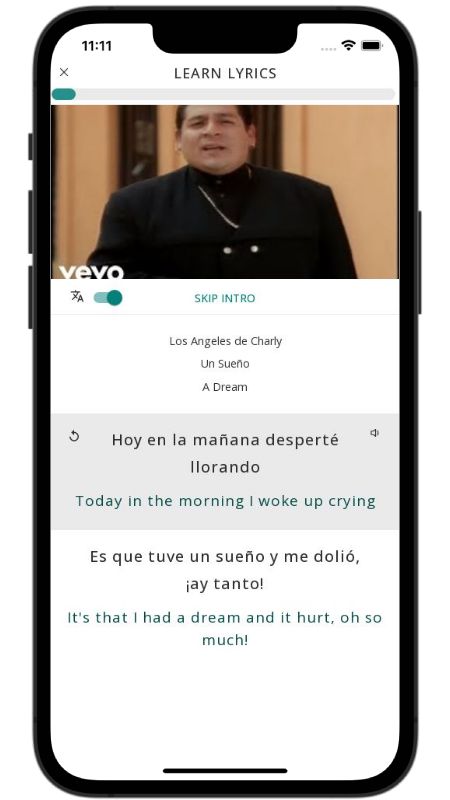
Have you ever woken up completely panicked from a nightmare, only to realize everything is fine? That sudden wave of relief is the entire heartbeat of "Un Sueño" by Mexican romantic cumbia group Los Ángeles de Charly. The singer wakes up in tears—"Hoy en la mañana desperté llorando" [This morning I woke up crying]—after a horrifying vision: his girlfriend is wearing the white dress he bought her, walking toward another guy. Worse, this rival once slipped her a note begging for her love, pleading "no soporto el llanto / Si no me das el sí" [I can't stand the weeping / If you don't say yes to me]. Just as the other guy leans in for a kiss, divine intervention saves the day. The singer chalks his sudden wake-up call up to heaven: "fue un ángel que vino en un instante" [it was an angel that arrived in an instant] to snap him out of it before the kiss lands.
Once his eyes open, the drama melts away. His girl is right beside him, completely safe: "Ay niña estás juntito a mí" [Oh baby, you're right next to me]. He happily claims "Hoy soy tu único dueño" [Today I am your only owner]—a phrasing that sounds a bit possessive in modern English, but in classic Spanish love songs, calling yourself someone's "dueño" is a melodramatic way of declaring total romantic loyalty. The track turns a scary jealousy dream into an infectious, danceable celebration of staying together.