(Entre Paréntesis) Lyrics in English by Shakira, Grupo Frontera
Paréntesis literally translates to "parentheses", the punctuation marks (). It's a very unusual and clever word to find in a song, making it super interesting to learn.
Shakira sings, "Pusiste el final entre paréntesis" (You put the ending in parentheses). She uses this metaphor to express that her partner is treating their breakup as something uncertain or not quite final, like an afterthought bracketed off from the main story. This unique phrase perfectly captures the feeling of an unresolved ending to a relationship.
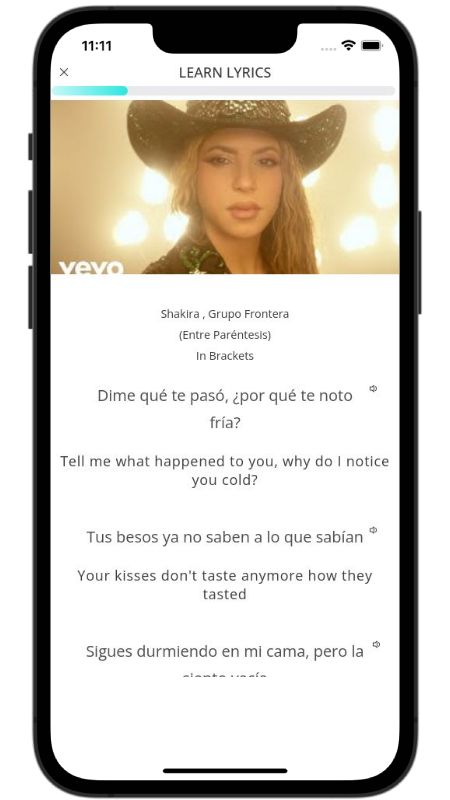
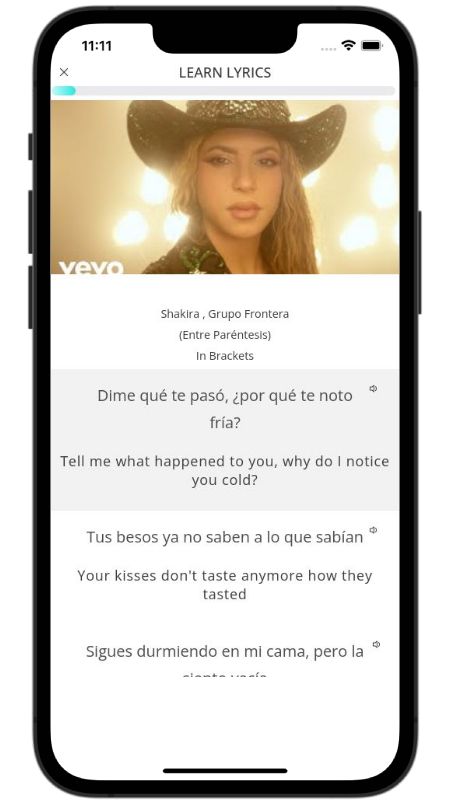
Colombian superstar Shakira teams up with Grupo Frontera for a pop track about watching a relationship freeze over in real time. Instead of an explosive breakup fight, the lyrics focus on the quiet, painfully obvious signs of falling out of love. You feel the chill right away when they sing, “Dime qué te pasó, ¿por qué te noto fría?” [Tell me what happened to you, why do you feel cold?], complaining that sharing a bed still feels empty and kisses taste like nothing now.
The real punch comes in the chorus with the line, “Se nota cuando se quiere, pero cuando no, se nota más” [It shows when someone loves you, but when they don't, it shows even more]. It is brutal and completely true. The title itself—“(Entre Paréntesis)”—describes someone putting a relationship's ending "in parentheses." That means trying to pause, downplay, or skirt around an inevitable split instead of just saying it out loud. Between accusations of wandering thoughts like “El que te abraza soy yo, pero estás pensando en él” [I am the one hugging you, but you are thinking about him] and the blunt reality check that “Esto ya no da más” [This can't go on anymore / This has reached its limit], the song begs for honest closure over cold pretense.