La Fuerte Lyrics in English by Shakira, Bizarrap
Arrebato translates to "outburst," "impulse," or "fit." It's a powerful word that describes a sudden, intense, and often uncontrollable rush of emotion that makes you act.
In the lyrics, Shakira sings, "a esta loba le da el arrebato" (this she-wolf is overcome by an impulse). She uses this dramatic word to describe how, despite trying to be strong and move on, she's suddenly seized by an overwhelming feeling of passion for her ex, completely losing control.
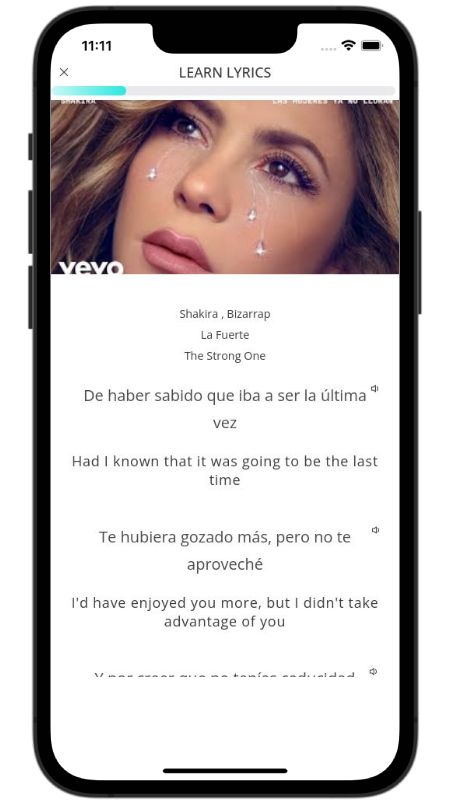
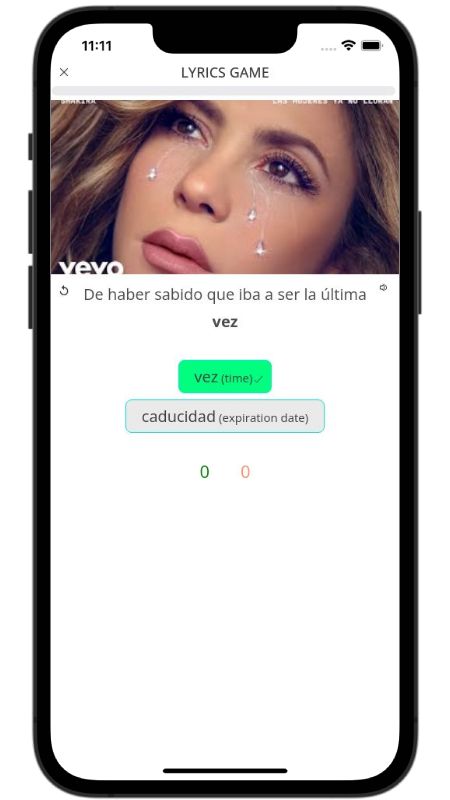
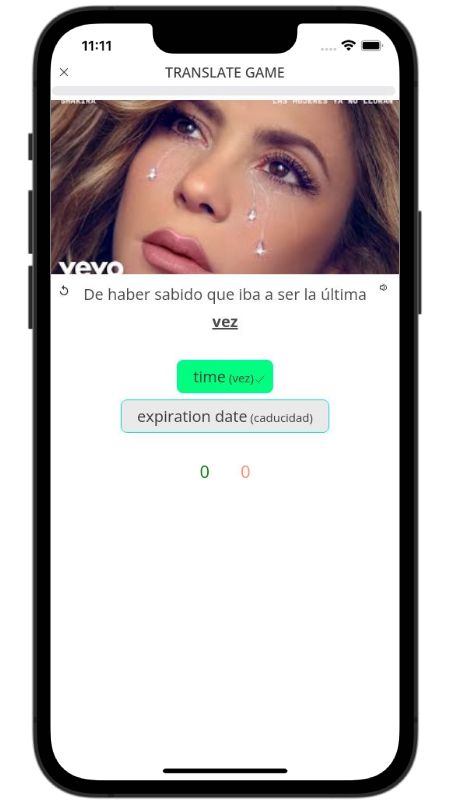
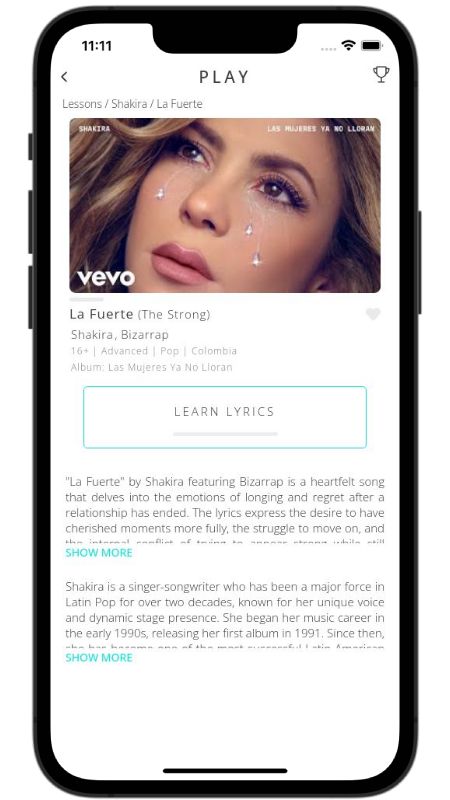
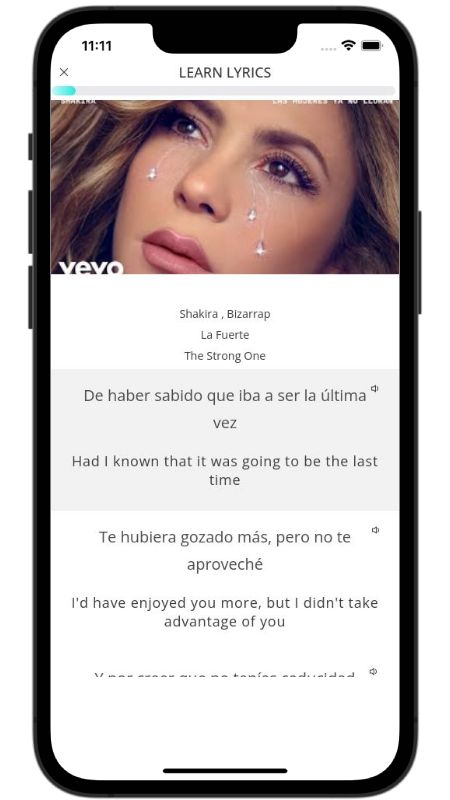
We have all played the game of pretending we are totally over an ex when we are crumbling inside. In this pop track, Colombian superstar Shakira teams up with producer Bizarrap to call out her own bad bluff. The title literally means "the strong woman," but the lyrics admit that being strong is mostly an act: "Otra noche más que me hago la fuerte" ("Another night that I act strong"). She kicks herself for taking their time together for granted, singing that she assumed their bond had no expiration date ("por creer que no tenías caducidad"). Now she is deleting his phone number out of pride, only to realise it was useless because she already has it memorised: "Borré tu número, ¿y pa' qué? Si ya me lo sé" ("I deleted your number, and for what? If I already know it by heart"). That is painfully relatable.
She also drops some great colloquial Spanish to describe the chaos in her brain. She calls herself a caged lion ("leona enjaulada") and admits, "Me tienes con la cabeza rayada" ("You have my head spun out"). In Spanish slang, having la cabeza rayada comes from the image of a scratched vinyl record that keeps skipping; it means overthinking something until you drive yourself crazy. Even though she claims her pride keeps her from reaching out, she instantly folds right after, begging him to give the signal: "Dime dónde, cuándo y cómo" ("Tell me where, when, and how"). It is a funny, honest confession about how hard it is to actually stay away when temptation wins.