Lo Que Más Lyrics in English by Shakira
Pudor translates to 'modesty', 'shame', or 'decorum'. It's a word that describes a sense of reserve or embarrassment, often related to intimate or personal matters. It's not an everyday word you'd typically hear in every pop song, making it quite unique.
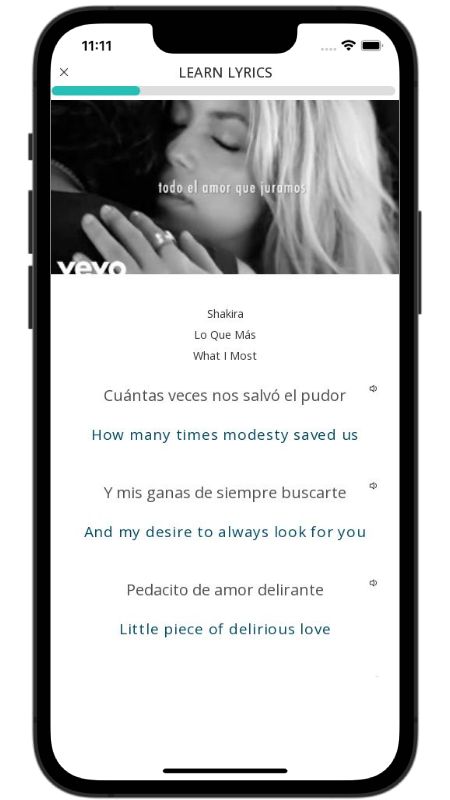
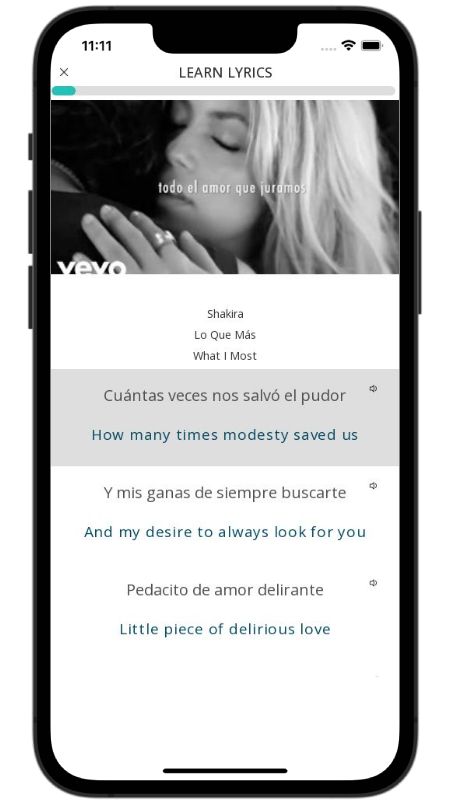
In the lyrics, Shakira sings, "Cuántas veces nos salvó el pudor" (How many times did modesty/shame save us?). This line suggests that a sense of restraint or propriety prevented them from doing something, adding a layer of complexity and intrigue to the relationship described in the song.
Colombian superstar Shakira steps away from her dance beats for "Lo Que Más", and what you get instead is quiet, painful honesty. She watches a partner sleep and decides not to wake them: "Y te miro mientras duermes, más no voy a despertarte" ("And I look at you while you sleep, but I won't wake you"). The relationship has run dry. She looks back on specific memories, like wrapping herself around his neck on a rainy Saturday at five in the afternoon ("Colgado de tu cuello un sábado de lluvia a la cinco de la tarde"), but nostalgia cannot fix the present. Her verdict is blunt: "con lo que nos queda de nosotros ya no alcanza" ("with what is left of us, it is no longer enough"). In Spanish, ya no alcanza is a great everyday phrase to learn; it literally means "it no longer reaches," which conveys that whatever emotional fuel they had has completely tapped out.
She takes blame for talking too much at the wrong times ("pequé por hablar demasiado" ["I sinned by speaking too much"]), yet she refuses to leave feeling guilty. She calls herself "una mujer en el mundo que hizo todo lo que pudo" ("a woman in the world who did everything she could"). Even with all that finality, the chorus hammers home one undeniable truth: "Eres lo que más he querido en la vida" ("You are what I have loved most in life"). Notice her choice of querer over amar here. While both mean "to love," querer a alguien carries a warm, tender intimacy that hits right in the chest when you are saying goodbye.