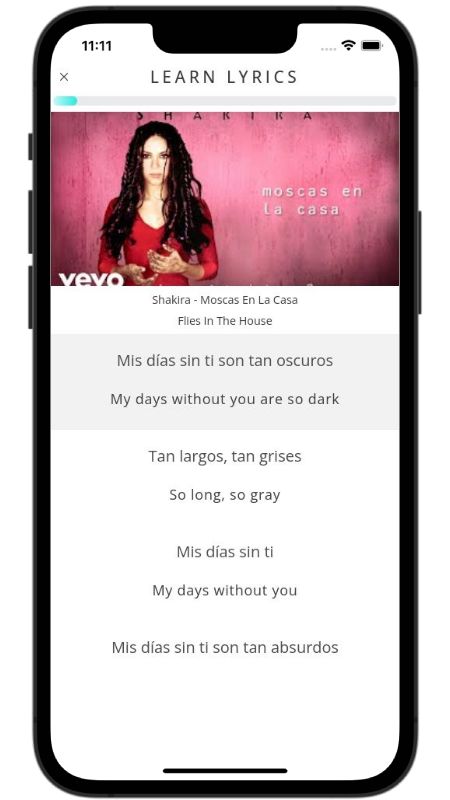
Moscas En La Casa Lyrics in English by Shakira
Moscas literally means "flies". It's a simple, everyday word, but in this song, Shakira uses it to create a powerful and haunting central metaphor.
The line "Moscas en la casa" (Flies in the house) paints a vivid picture of decay, neglect, and the deep depression that fills a home after a loved one leaves. It's a raw and unforgettable image that turns a common word into a symbol of profound loneliness and heartbreak.
Shakira does not hold back on the drama here, and honestly, that is why it works. Instead of quietly nursing a broken heart, she compares post-breakup loneliness to a neglected apartment falling apart. She describes her days without her partner as "chatarra inservible" (useless junk), "basura en el suelo" (trash on the floor), and the title image itself: "moscas en la casa" (flies in the house). It is messy, blunt, and wildly unglamorous. Time completely loses its shape for her; she sings that "las horas no tienen principio ni fin" (the hours have no beginning nor end), and when night finally arrives, "es inútil dormir" (sleeping is useless).
Notice how she switches between domestic rot and completely restless physical habits. She is "pateando las piedras" (kicking stones) outside while waiting, "mordiendo mis uñas" (biting my nails), and trying to find proof that she is still alive. The phrase "son un derroche" is great to learn: "un derroche" usually means a reckless waste of money or resources, but here she uses it to say her days are being completely wasted without this person. She wraps up the whole mess by calling her empty days "un eco que siempre repite la misma canción" (an echo that always repeats the same song)—stuck on a loop of longing, clutter, and household pests.