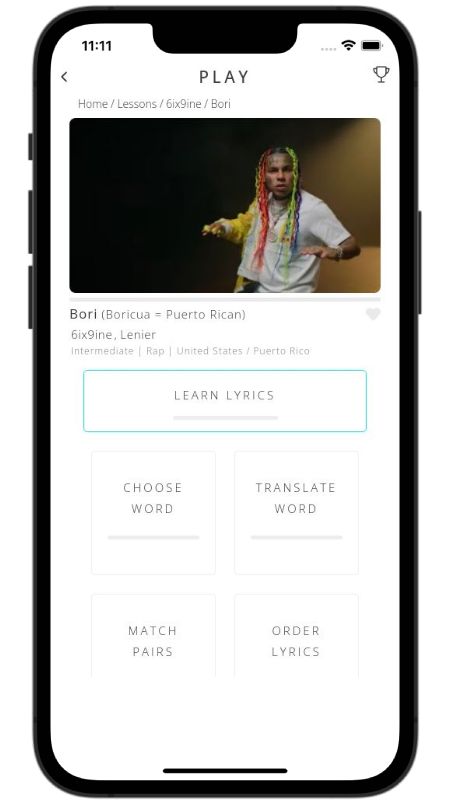
Bori Lyrics in English by 6ix9ine, Lenier
This powerful phrase literally means "the piece that was missing." It's often used metaphorically, like saying someone is the "missing piece of the puzzle."
After describing his difficult past, the artist declares "ahora en este juego, soy la ficha que faltaba" (now in this game, I'm the missing piece). He uses this metaphor to show he's gone from being overlooked to being the essential, game-changing player. It's a memorable expression of self-worth and success.
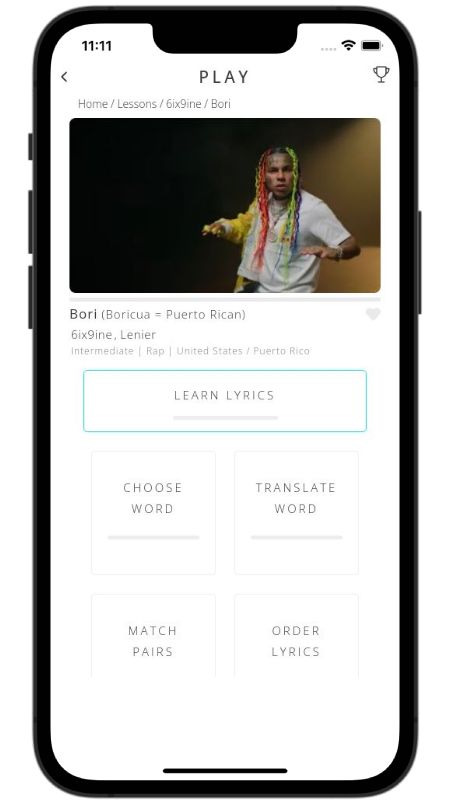
Bori starts like a confession in church, but it quickly turns into a frank story about growing up with nothing. 6ix9ine and Lenier lay out a childhood with separated parents, no Christmas gifts from Santa, and pretend music gear: "Yo sólo tuve una guitarra sin cuerdas / Y un micrófono de palo" [I only had a guitar without strings / And a stick for a microphone]. He drops a clever, literal twist on the common idiom about staying grounded when he says "siempre caminé con los pies sobre la tierra / Porque no tuve zapatos" [I always walked with my feet on the ground / Because I had no shoes]. If you had no shoes, you had no choice but to keep your feet flat on the dirt.
Now that fame and money have arrived, the track looks at how people treat success. He calls himself "el chamaquito del barrio" [the little kid from the neighborhood]—chamaquito is everyday Caribbean slang for a young boy or kid—and jokes about his own ego, admitting "Ahora soy el mismo bobo con dinero y fama" [Now I'm the same fool with money and fame]. People who used to ignore him now reach out or throw shade ("me tiran"), but he views himself as "la ficha que faltaba" [the missing piece in the game]. Through the mix of haters, supporters, and childhood hardships, the core focus stays on asking his late father watching from above for health and blessings for his family.