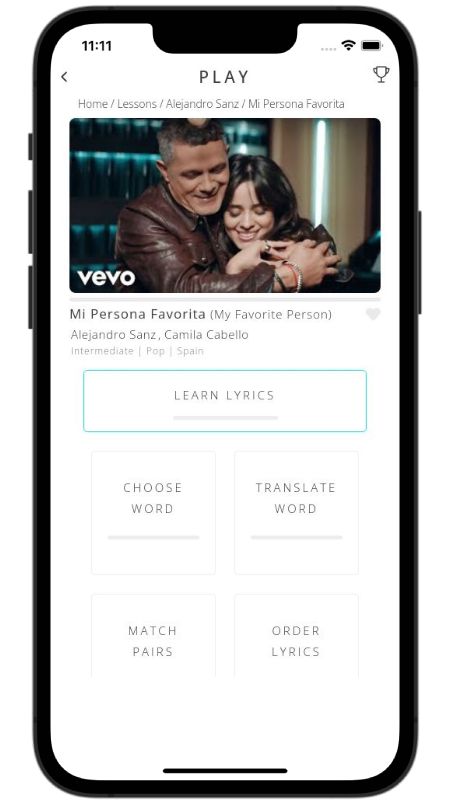
Mi Persona Favorita Lyrics in English by Alejandro Sanz, Camila Cabello
Juguete literally means "toy", a word you might associate with children's play. However, in this song, Alejandro Sanz uses it in a deeply poetic and unexpected way.
He sings, "De juguete, ten mi vida", which translates to "As a toy, have my life". This is a powerful metaphor for giving himself completely to his favorite person, expressing total vulnerability and trust. This unique use of a common word to convey profound devotion makes it a truly memorable part of the song.
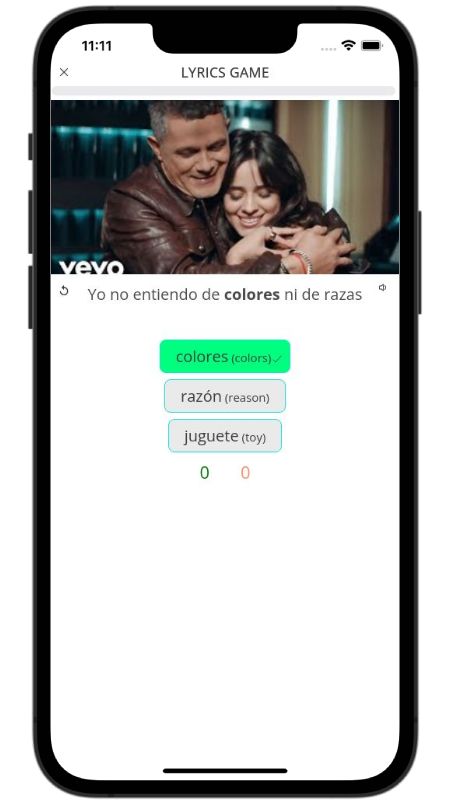
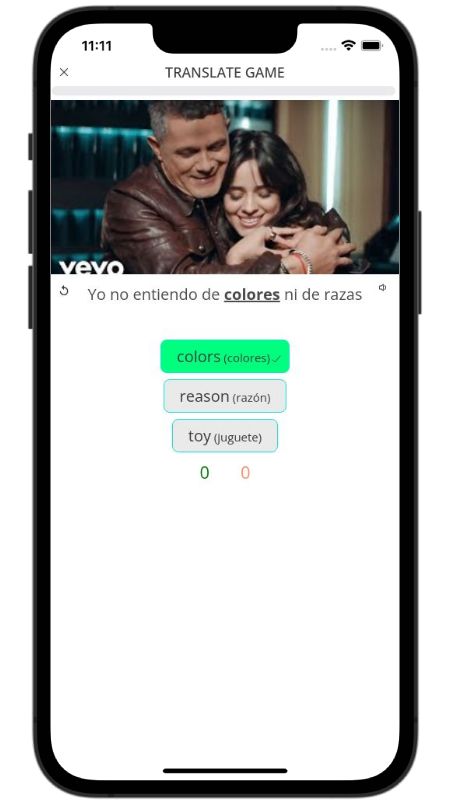
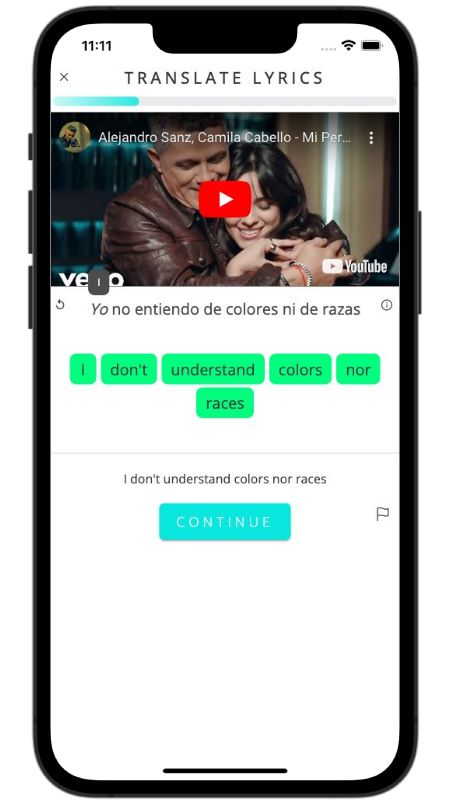
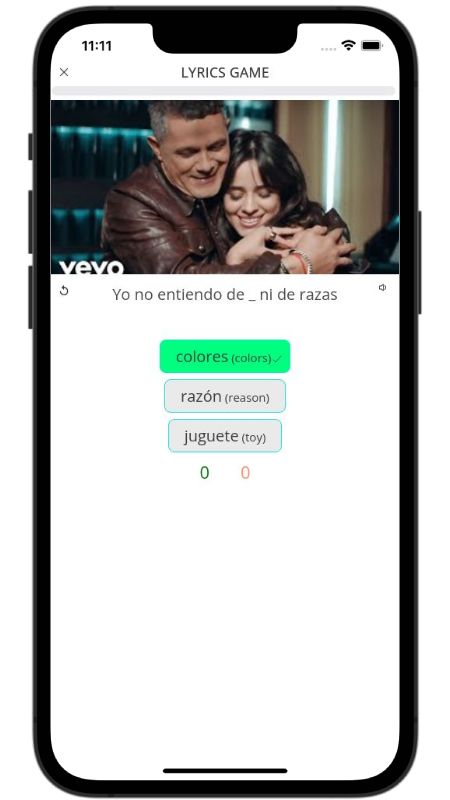
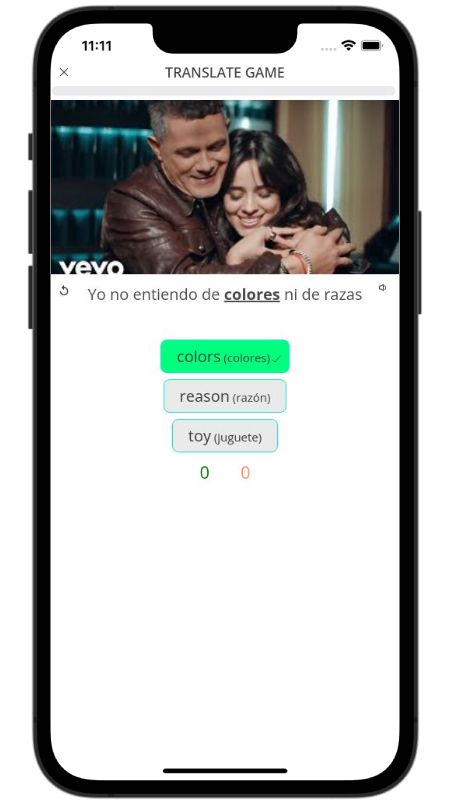
Alejandro Sanz teams up with Camila Cabello for a pop track celebrating total adoration. The lyrics jump straight into deep affection without any fuss: "Yo no entiendo de colores ni de razas / A mí me gusta el morenito de tu cara" ("I don't understand colors or races / I just like the brown glow of your face"). The mood is playful, tender, and intensely sweet, focusing on simple physical moments like leaning a head on a shoulder in "Con tu carita posada en mi hombro" ("With your little face resting on my shoulder").
The chorus hits with an easy, infectious declaration that compares this special someone to a bringer of pure light: "Eres como el sol / Sales sin razón / Dando luz y calma" ("You are like the sun / You come out for no reason / Giving light and calm"). Spanish speakers often add diminutive endings like -ito or -ita to words to show warmth and affection rather than small physical size. You hear that everywhere here, from "carita" (sweet face) to "cosita" (little thing, used as a loving term for this song). The singer goes so far as to hand over their heart as a toy ("De juguete, ten mi vida / Juega con mi corazón" [Take my life as a toy / Play with my heart]), showing complete surrender to their favorite person.