Hoy No Me Siento Bien Lyrics in English by Alejandro Sanz, Grupo Frontera
Echar en cara is a powerful idiomatic expression that literally translates to "to throw in the face". It means to reproach someone or to constantly bring up past favors or mistakes in an accusatory way.
In the song, Alejandro Sanz sings, "Lo echabas en cara y luego te reías" (You threw it in my face and then you laughed). This line vividly paints a picture of a toxic relationship, where his partner would hold things over his head, making it a memorable and useful phrase for expressing frustration.
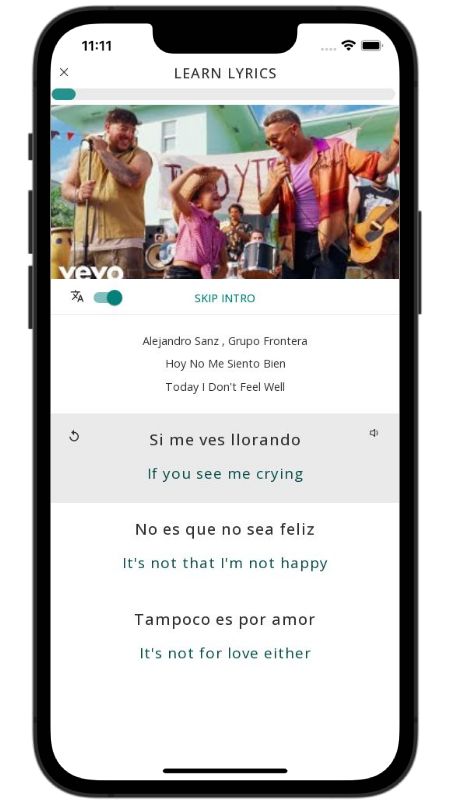
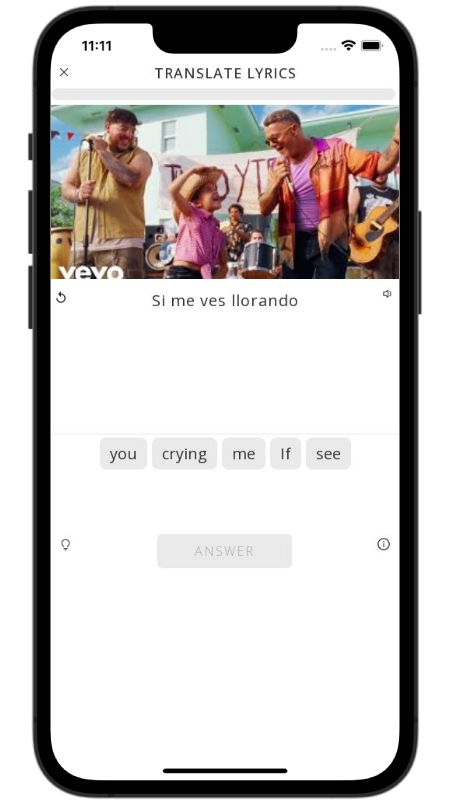
We have all had those strange days where tears just show up uninvited, and Alejandro Sanz teams up with Grupo Frontera to defend that exact mood. He makes it clear right away: "Si me ves llorando / No es que no sea feliz" ("If you see me crying, it's not that I'm unhappy"). Sometimes you just cry for no reason at all. He even takes a funny, sharp jab at an untrustworthy ex who lied so constantly that "Me decía, 'buenos días' / Y tenía que salir pa' ver si era verdad" ("She'd tell me 'good morning,' and I had to step outside to see if it was true"). He insists he is over the breakup. Yet, he still does not want to talk to a soul today.
The real heart of the track is giving yourself permission to shut the door. The chorus repeats the comfort of "Sentirse mal también está bien" ("Feeling bad is also okay"), playing on the old Spanish proverb no hay mal que dure cien años (bad times never last forever) with the biting twist: "Porque no hay mal que dure pa' siempre, y menos tú" ("Because no bad thing lasts forever, especially not you"). The lyrics contrast the effort put in against what came back: "Ese cien que tú me dabas parecía más un veinte" ("That 100 you were giving me looked more like a 20"). It is an honest pop track about nursing an off day, calling out a low-effort ex, and trusting that tomorrow will feel lighter.