No Me Compares Lyrics in English by Alejandro Sanz
Desclaven is a powerful verb formed from des- (un-) and clavar (to nail), so it literally means "to un-nail". It creates a dramatic and almost visceral image that isn't found in everyday conversation.
In the song, Alejandro Sanz sings, "Que nos desclaven" (May they un-nail us), using it as a potent metaphor. He's describing a relationship so intertwined and painful that it feels like they've been nailed together, and he's pleading for a separation from this agonizing bond.
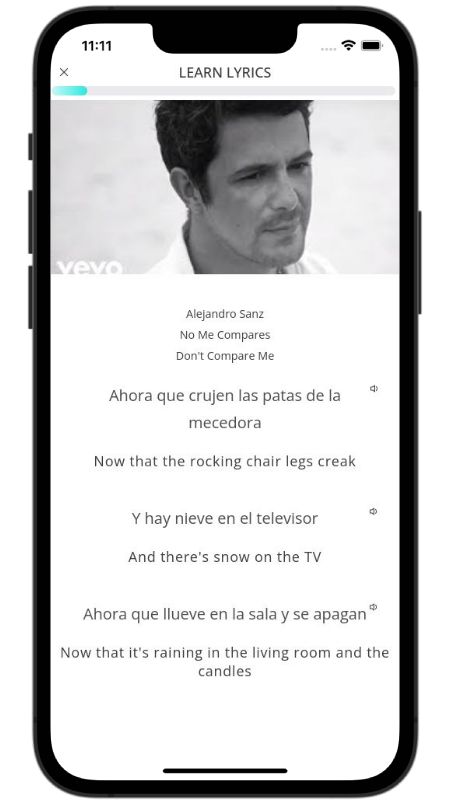
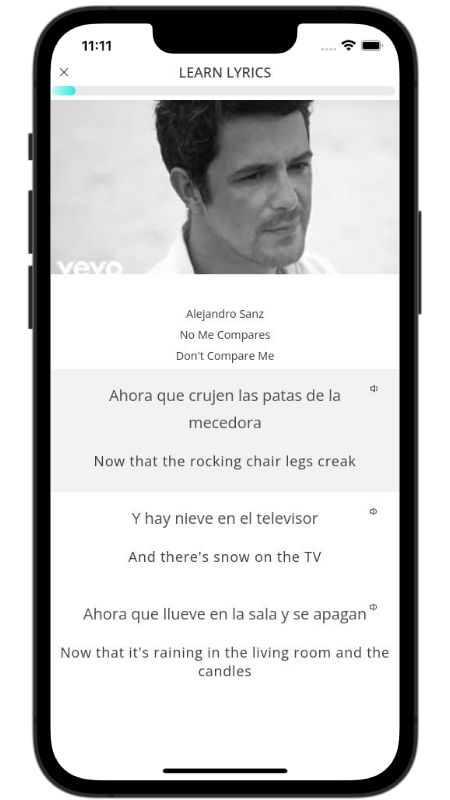
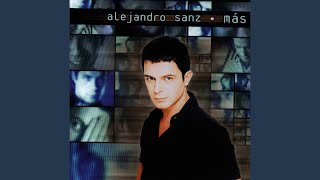
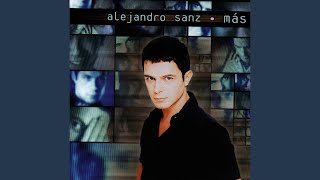
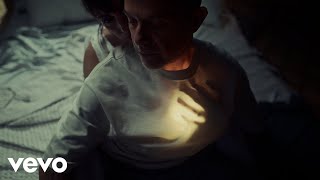
Spanish singer Alejandro Sanz sets this song right in the middle of domestic chaos: a creaking rocking chair, static snow fuzzing across an old TV screen, and rain leaking straight into the living room. Instead of panicking, he treats the mess as the exact right moment to clear the air. In the chorus, he lays down his absolute boundary: No me compares ("Don't compare me"). His partner keeps measuring him against an ex, and he refuses to play along, singing Imperdonable / Que yo no me parezco a él / Ni a él ni a nadie ("Unforgivable that I don't look like him, not like him nor like anyone"). He bluntly points out that he was the pavement under her feet when she ran into that guy in the first place (Yo soy la calle / Donde te lo encontraste a él).
There is great everyday Spanish to pick up here, starting with Ahora no quiero aspavientos ("Now I don't want fuss/drama"). Aspavientos refers to exaggerated hand gestures and dramatic overreactions, which he wants to skip in favor of an honest chat. You also get entre nos ("between us"), which trims down the textbook phrase entre nosotros. He pulls back the curtain on himself completely, offering to show las piezas rotas del motor ("the broken pieces of the engine") and de qué tengo hecho el corazón ("what my heart is made of"). By the end, the defense turns into a dare: Que nos separen si es que pueden / Que nos desclaven ("Let them separate us if they can, let them un-nail us"). It is a stubborn, proud plea to be loved as one of a kind.