Si Te Pudiera Mentir Lyrics in English by Gerardo Coronel
Implora means 'implores' or 'begs'. It's a powerful and evocative verb that conveys a deep sense of desperation and earnest pleading, going beyond a simple 'asks'.
In the song, the singer uses it to express the intensity of his longing: "Este que implora hoy regreses a mí" (This one that implores today that you return to me). It highlights the profound emotional state of someone desperately wishing for their loved one's return, making it a truly impactful word in this romantic ballad.
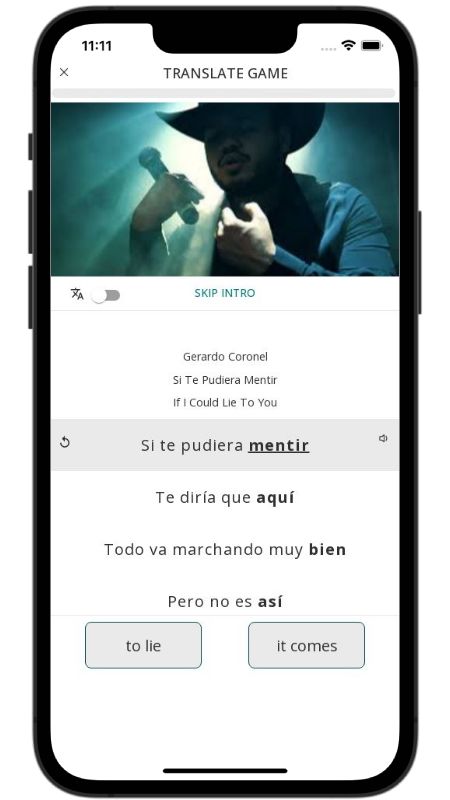
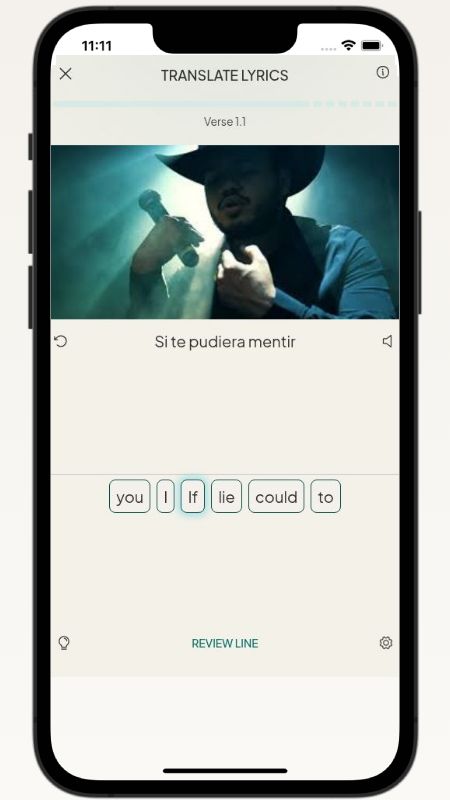
Ever tried to put on a brave face after a breakup and completely failed? That is the exact spot Gerardo Coronel puts us in with this track. The whole confession starts with a brutal reality check: "Si te pudiera mentir / Te diría que aquí / Todo va marchando muy bien / Pero no es así" ("If I could lie to you / I would tell you that here / Everything is going very well / But it is not like that"). Instead of pretending he moved on, he admits his empty home has turned into a giant echo chamber where even the breeze sounds like his ex talking to him. Walking away from the relationship feels like walking backward away from paradise, or "mi Edén" ("my Eden").
What makes this track hit so hard is how painfully honest he gets about his own desperation. He starts imagining things, convinced he hears her calling for help or feels her eyes on him from across the room. He even confesses, "He hecho unos cambios en mí pensando si te gustarán" ("I have made some changes in myself wondering if you will like them"), which is embarrassingly relatable. The Spanish phrase "alguna que otra vez" is a great one to learn here; it is a natural, conversational way to say "every once in a while" or "now and then." By the end, he surrenders completely to the obsession, crowning her as his "mejor canción" ("best song") and pleading out loud for her to come back.