Si Te Vas Lyrics in English by J Balvin, Jay Wheeler
Desenamores comes from the verb desenamorarse, which means "to fall out of love". It's the direct opposite of the more common verb enamorarse (to fall in love), created simply by adding the prefix des-, which reverses the meaning.
In the song's outro, J Balvin says he made this ballad "pa' que te enamores o te desenamores" (so you can fall in love or fall out of love). This clever wordplay captures the bittersweet reality that a song can be the soundtrack for both the beginning and the end of a romance, making this a uniquely powerful and memorable word to learn.
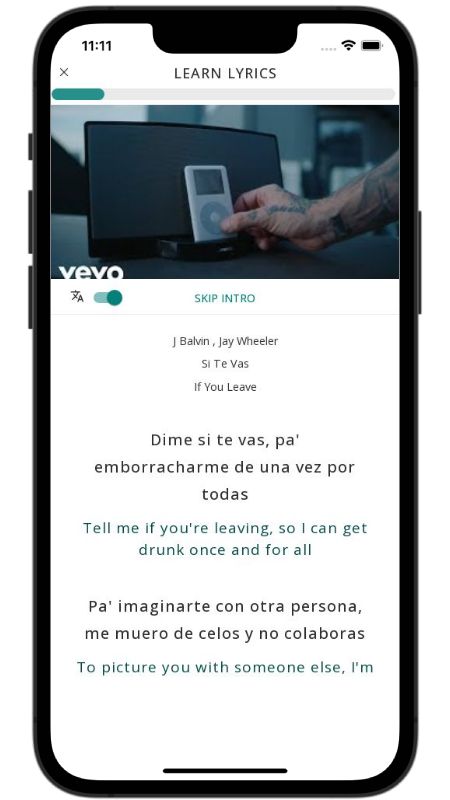
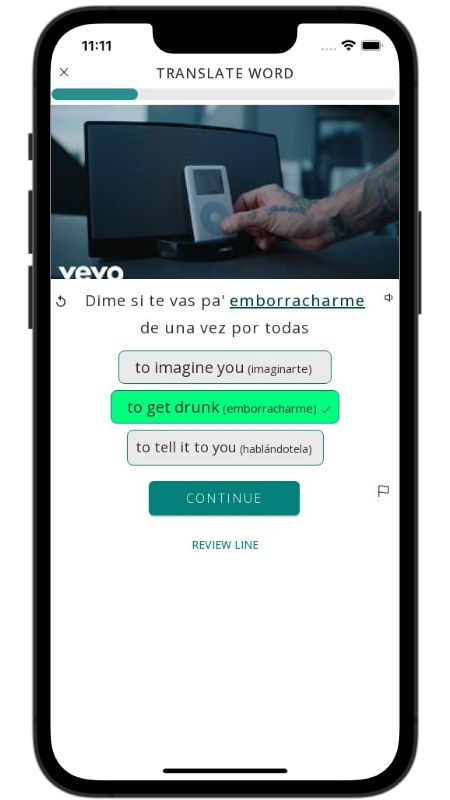
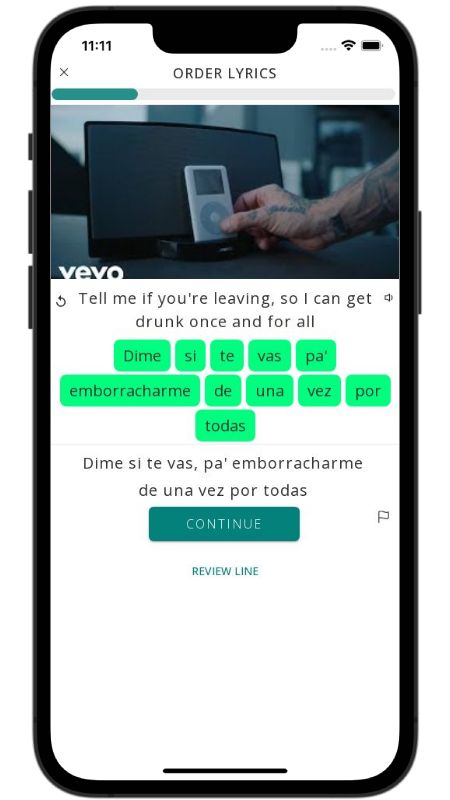
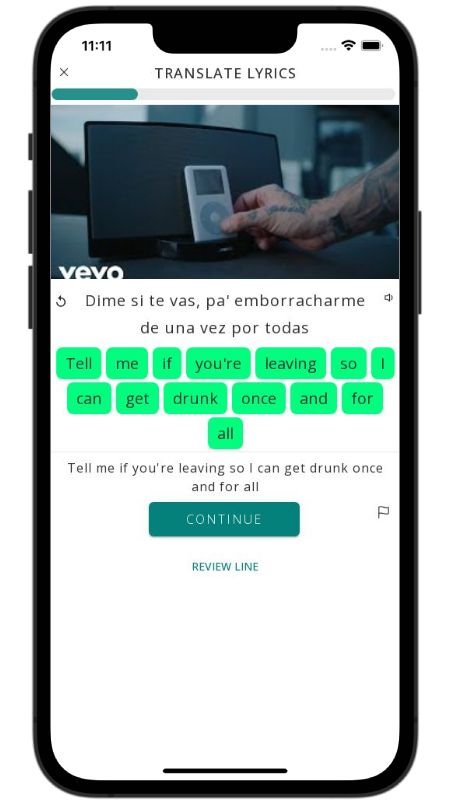
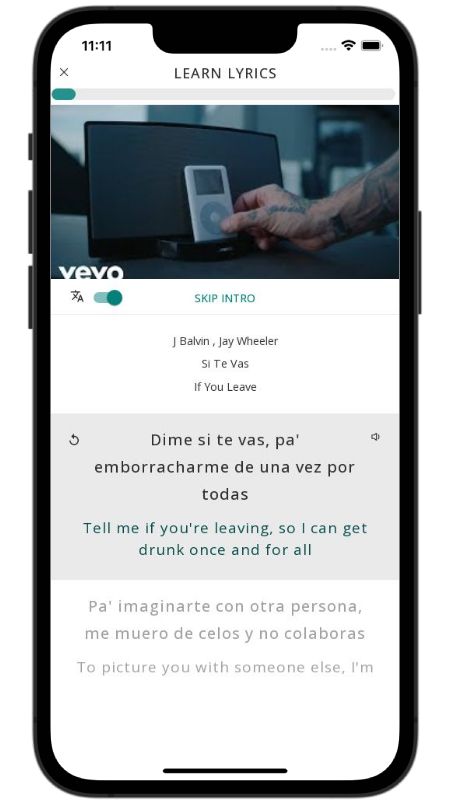
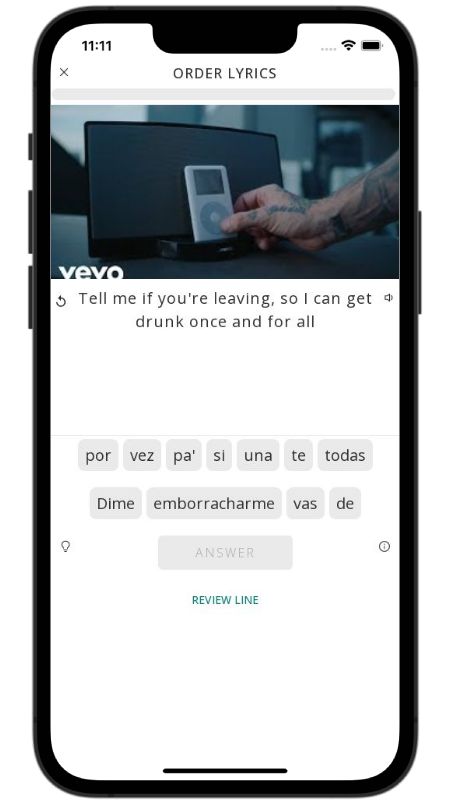
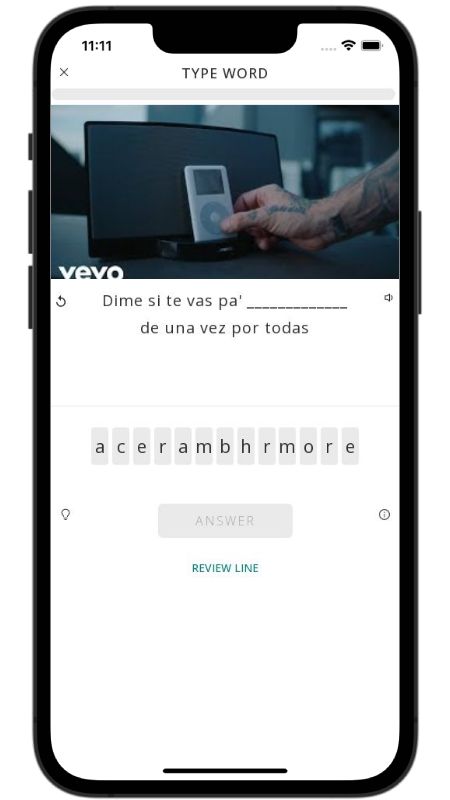
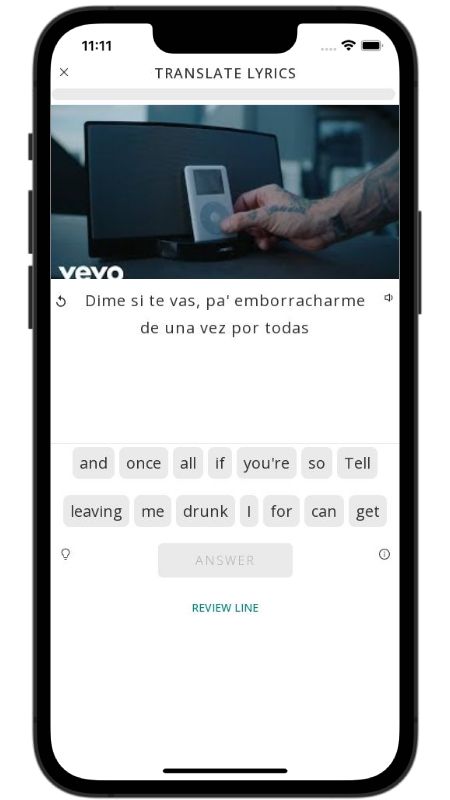
In "Si Te Vas", Colombian star J Balvin teams up with Jay Wheeler to tackle the agonizing limbo of a messy situationship. Instead of playing it cool, the lyrics lay out pure romantic frustration: "Dime si te vas, pa' emborracharme de una vez por todas" ("Tell me if you're leaving, so I can get drunk once and for all"). The singer admits that jealous thoughts of her with someone else are eating him alive ("me muero de celos"), yet every time they fight and try to end things, he hits pause on his whole life ("Pongo la vida en stop").
The track mixes hurt feelings with honest self-awareness. Balvin and Wheeler openly admit that this toxic loop makes fools out of them, confessing "Sé que vas a pedirme volver otra vez / Y yo, de pendejo, digo sí otra vez" ("I know you'll ask me to come back again, and like an idiot, I say yes again"). In Latin American Spanish, calling yourself a pendejo is a blunt way to say you're acting foolishly. Between dramatic lines like "por ti, descubrí que los hombres sí lloran" ("because of you, I discovered that men really do cry") and petty contradictions where he claims "Ya no pienso en ti" ("I don't think about you anymore") only to admit he still doesn't want to lose her, the song delivers an addictive, head-spinning ride through heartbreak.