Doblexxó Lyrics in English by J Balvin, Feid
Despecho is a powerful Spanish word that's hard to capture with a single English term. It describes a potent mix of spite, resentment, and heartbreak, often felt after a breakup or betrayal.
In the song, J Balvin warns, "Qué peligroso una mujer con despecho" (How dangerous, a woman scorned). This classic line paints a vivid picture of a woman who is not just sad, but angry and perhaps seeking revenge. It's a key theme in countless Latin songs and telenovelas, making it an essential word to understand the drama and passion in Latin music.
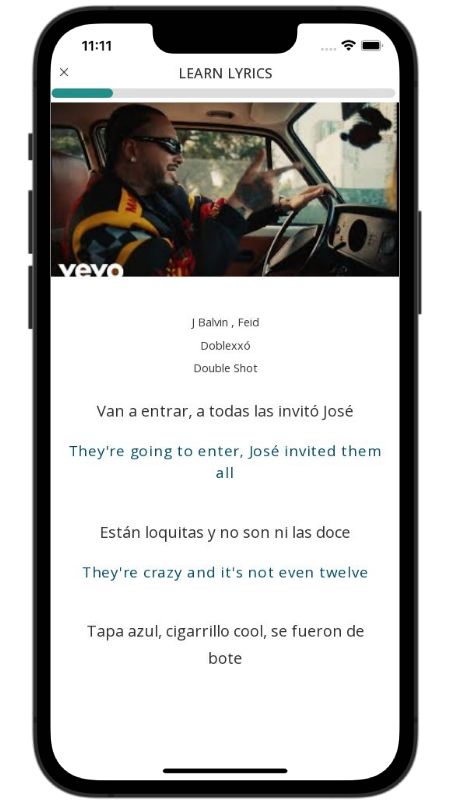
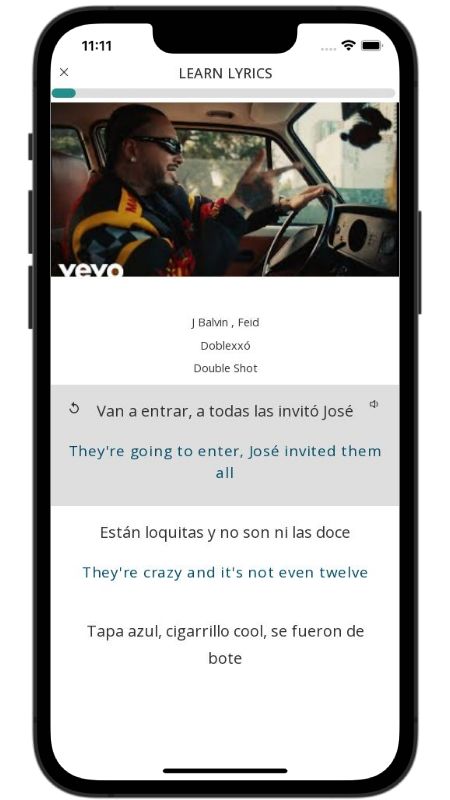
Colombian powerhouses J Balvin (calling himself by his real name José in the opening line) and Feid team up for an all-out party anthem about helping someone move on from a bad breakup. The track is packed with Colombian slang and nightlife imagery. Right away, you hear tapa azul (blue cap), which refers to blue-capped Aguardiente, Colombia's famous anise-flavored spirit. The advice to the girl is straight to the point: toss out the gift from her ex, ignore his phone calls (y que se joda [and let him screw himself]), and hit the club without catching feelings. Feid spells out the rule of the night clearly with Baby, hoy no tiene que meterle el cora (Baby, today you don't have to put your heart into it).
The title itself, Doblexxó, points to serving up double drinks (dos shots) to distract her friends so they leave her alone to dance. The lyrics don't shy away from being blunt and cheeky. When they notice a woman seeking revenge on an ex (Qué peligroso una mujer con despecho [How dangerous a woman with heartbreak is]), they offer a distraction with no strings attached: amigo con derecho (friend with benefits). Between rolling up weed (la baretica enroladita) and pouring out a drink for lost souls (un chorrito pa' las ánima), it is an energetic, late-night Medellín party track built purely for dancing off bad memories.