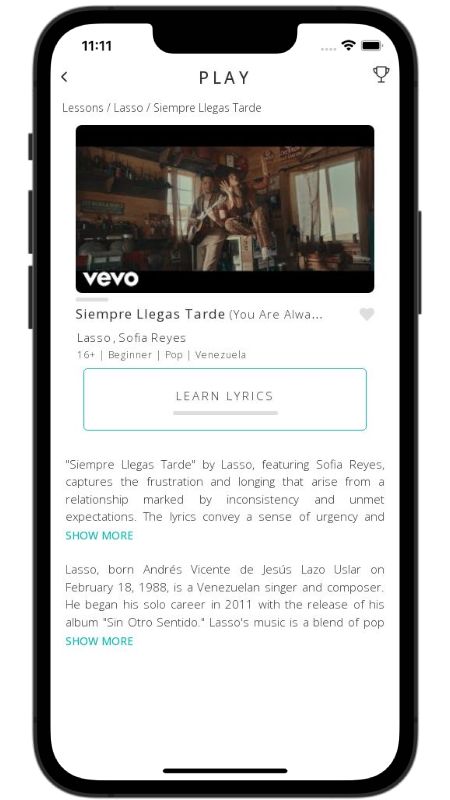
Siempre Llegas Tarde Lyrics in English by Lasso, Sofia Reyes
Chiquito literally means 'little' or 'small'. It's a diminutive form that can be used to describe size, but also to express affection or, in this case, a feeling of vulnerability.
Lasso sings "Siempre que me siento chiquito" (Whenever I feel small), using the word not to describe his physical size, but his emotional state of feeling insignificant and helpless when his partner isn't there. It's a beautifully poetic way to express a complex feeling.
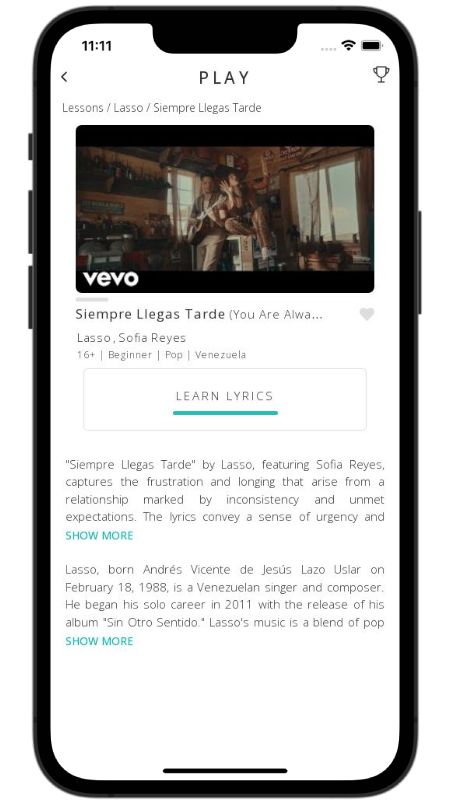
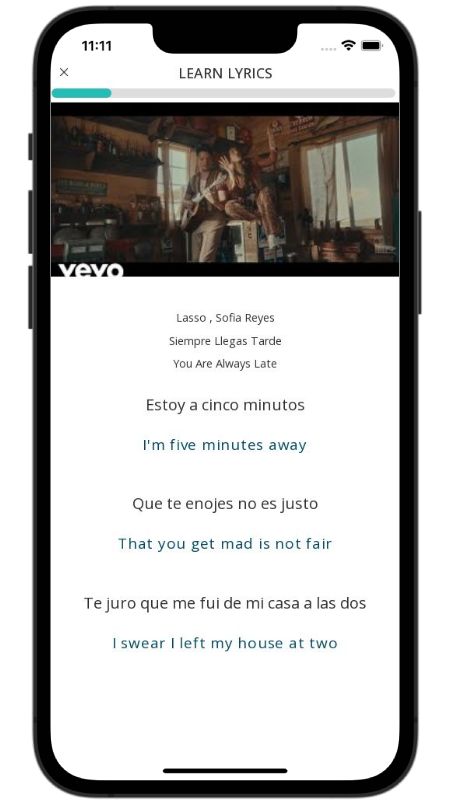
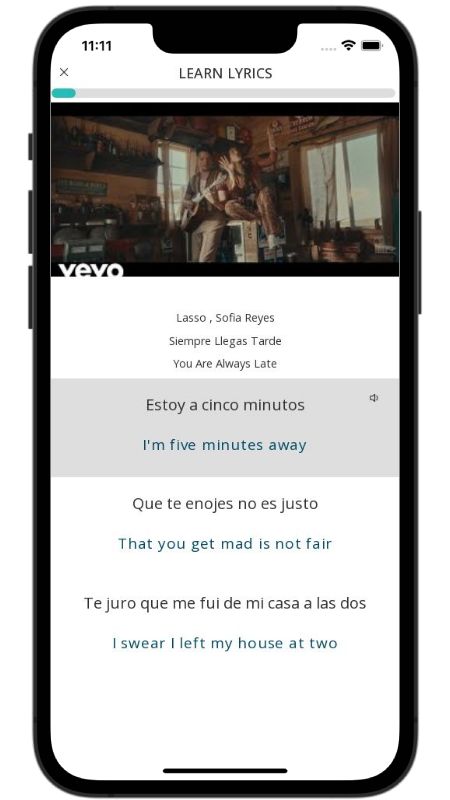
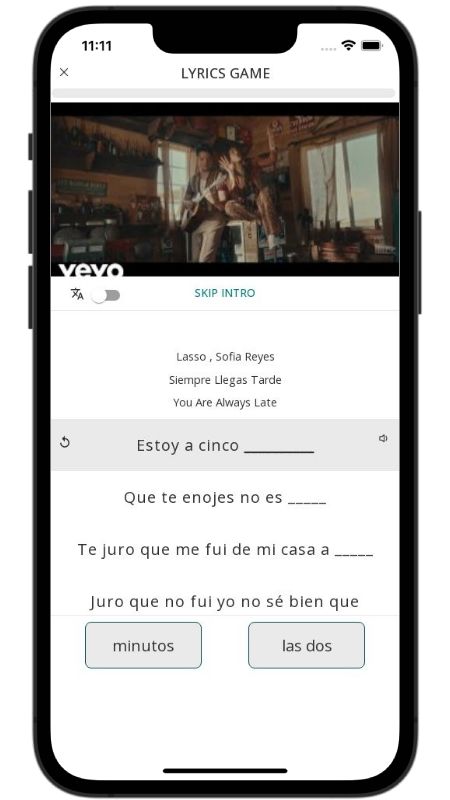
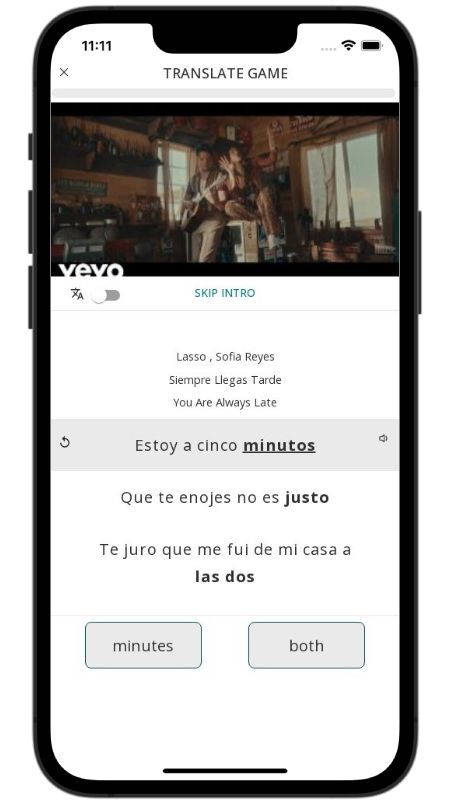
We all know that one person who claims they are "a cinco minutos" ("five minutes away") when they clearly have not even left the house. In "Siempre Llegas Tarde", Venezuelan singer Lasso teams up with Sofia Reyes to call out a partner who turns chronic lateness into an art form. The excuses fly fast: "Te juro que me fui de mi casa a las dos / Juro que no fui yo, no sé bien que pasó" ("I swear I left my house at two / I swear it wasn't me, I don't really know what happened"). It sounds like a lighthearted argument where one person waits by the door ("Y yo aquí en la puerta") while the other casually argues that "Los planes son para romperlos" ("Plans are meant to be broken").
Underneath the funny back-and-forth about bad timing, there is a much bigger emotional sting. The chorus hits you with "Siempre que me siento chiquito, y te necesito más" ("Whenever I feel small, and I need you the most") and "Nunca estás acá" ("You are never here"). In Spanish, saying you feel chiquito (literally "tiny" or "little") or solita ("all alone") is an honest way to describe feeling vulnerable, overwhelmed, or helpless. That shift turns a silly habit into real disappointment. Being late is not just about missing reservations; it leaves the other person standing alone right when they need support.