Échame A Mi La Culpa Lyrics in English by Luis Miguel
Échame la culpa is a classic Spanish phrase that literally means "Throw the blame on me." It's a dramatic and very common way to say "Blame me" or "Put the blame on me."
In this iconic song, the singer selflessly tells his unfaithful ex-lover to blame him for everything that went wrong. It's a powerful statement of martyrdom, where he offers to take all the fault (la culpa) to protect her reputation, capturing the song's deep sense of heartbreak and chivalry.
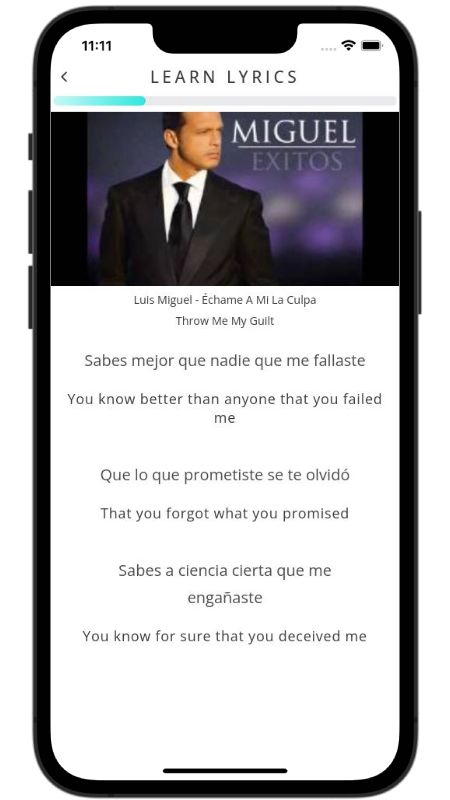
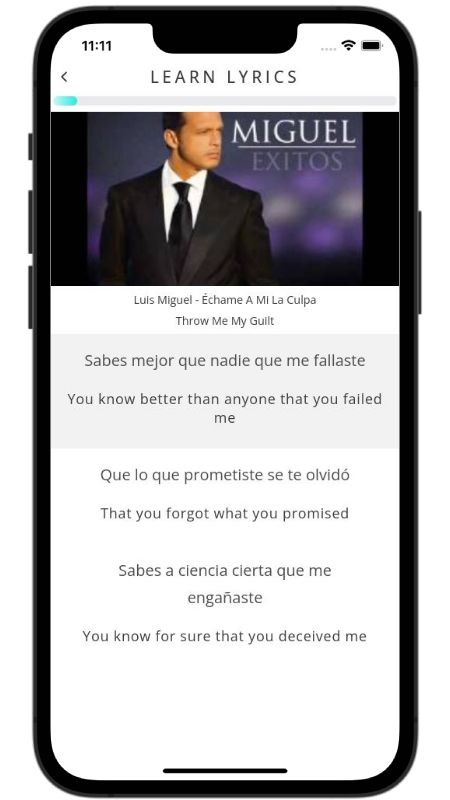
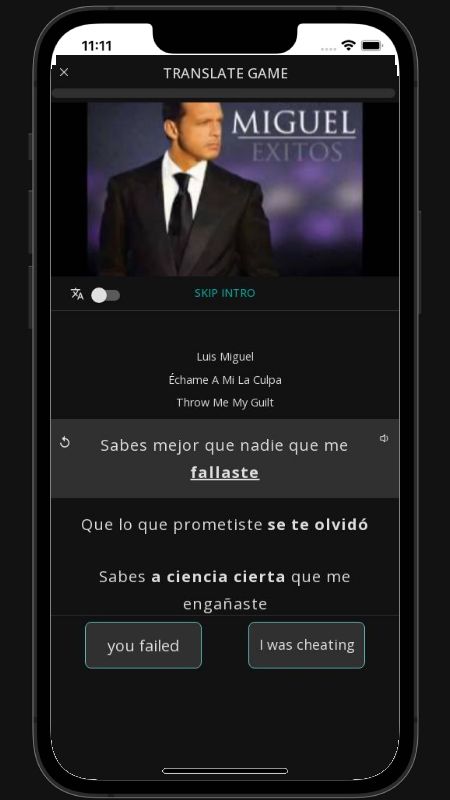
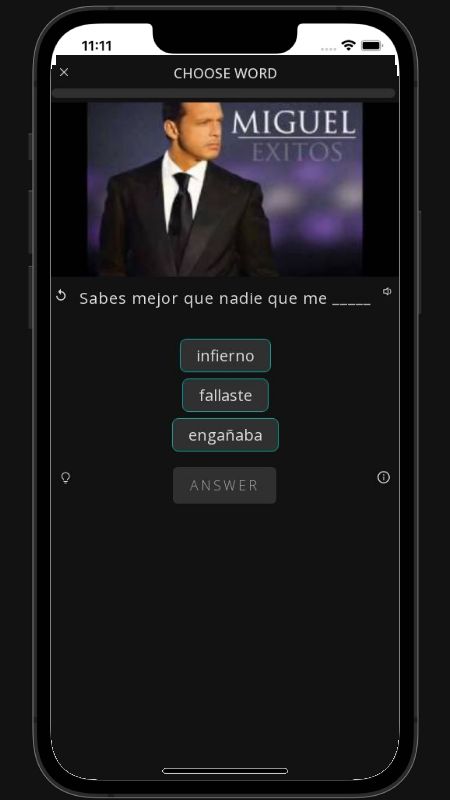
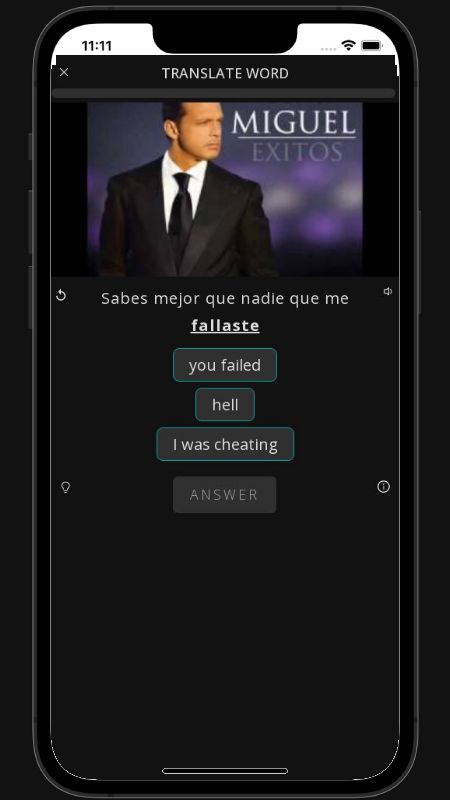
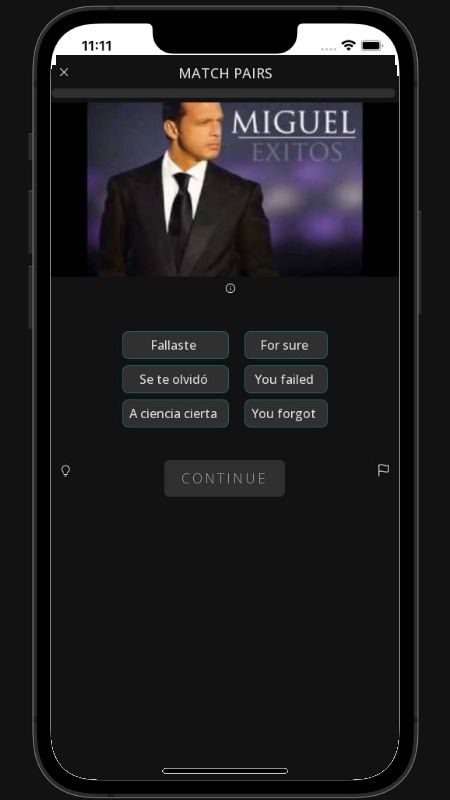
Talk about taking one for the team! In Échame A Mi La Culpa (Put the Blame on Me), Mexican superstar Luis Miguel delivers a classic breakup anthem where he chooses to play the villain so his ex can save face. He lays the truth out immediately: "Sabes mejor que nadie que me fallaste" (You know better than anyone that you failed me). Despite having every reason to hold a grudge ("Lleno estoy de razones pa' despreciarte" / I am full of reasons to despise you), he gives her total permission to trash his reputation.
He literally tells her to lie to everyone: "Dile que te engañaba, que fui lo peor" (Tell them I cheated on you, that I was the worst). The lyric "Cúbrete tú la espalda con mi dolor" (Cover your back with my pain) uses the idiom for protecting yourself, showing he is willing to let his own suffering become her shield. Instead of wishing revenge, he hopes she finds peace in the afterlife ("En vez de infierno encuentres gloria" / Instead of hell, you find heaven) and prays that a cloud wipes her memory clean of him completely. It is dramatic, self-sacrificing, and pure pop gold.