La Mentira Lyrics in English by Luis Miguel
Pacto means 'pact' or 'covenant'. It suggests a promise that is much more serious and binding than a simple agreement.
In the song, Luis Miguel sings of "un pacto entre los dos" (a pact between the two of us), but adds the dramatic twist that this pact "no es con Dios" (is not with God). This emphasizes that their commitment was a deeply personal one, making its betrayal all the more painful and central to the story.
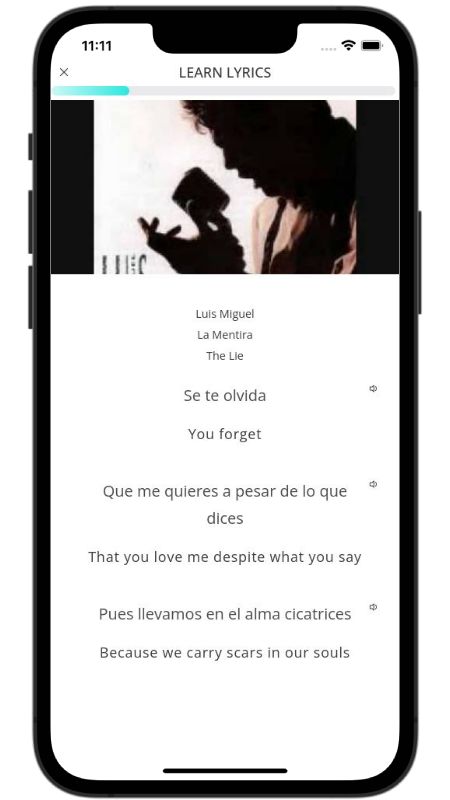
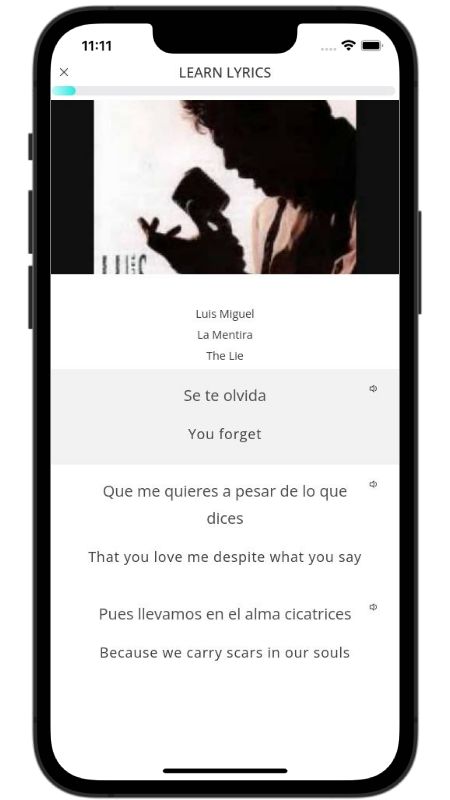
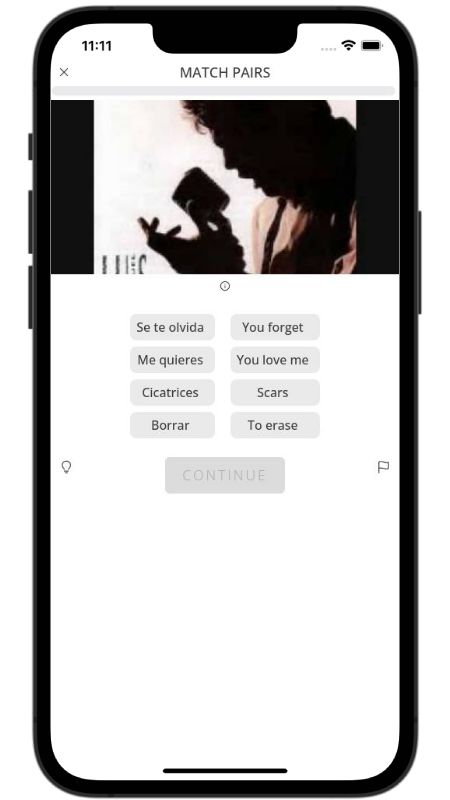
Luis Miguel takes on a classic bolero here, delivering some top-tier wounded pride. The singer addresses an ex who is walking away and acting like their relationship never mattered. Right away, he calls out the denial with "Se te olvida / Que me quieres a pesar de lo que dices" ("You forget that you love me despite what you say"). He reminds his former partner that they share deep emotional wounds—"cicatrices / Imposibles de borrar" ("scars impossible to erase")—so pretending everything is fine is a complete lie. He even adds a slightly petty warning that he could make trouble if he wanted to, but immediately pulls back because "a fuerzas no será" ("it won't be by force"). He refuses to beg or force someone to stay.
The real sting comes when he mocks how superior his ex acts: "Y hoy resulta / Que no soy de la estatura de tu vida" ("And now it turns out that I'm not tall enough for your life"). In Spanish, "la estatura de tu vida" uses physical height as a metaphor for status or class, basically saying, "Oh, so suddenly I'm not good enough for you?" His response is pure, cutting dismissal. He tells them, "Te devuelvo tu promesa de adorarme" ("I give you back your promise to adore me"), and shrugs off the breakup with zero guilt: "Que ese pacto / No es con Dios" ("Because that pact is not with God"). It is a proud, dramatic exit that lets the other person walk away, but not without reminding them that they are lying to themselves.