México En La Piel Lyrics in English by Luis Miguel
Acariciando is the present participle of the verb acariciar, which means 'to caress' or 'to stroke gently'. It's a very tender and evocative word, suggesting a soft, loving touch.
In the final, beautiful line of the song, Luis Miguel paints a picture of "La luna acariciando una mujer" (The moon caressing a woman). This poetic imagery uses a word usually reserved for a person's touch to describe how the moonlight feels on the skin, perfectly capturing the romantic and sensory experience of Mexico that the song celebrates.
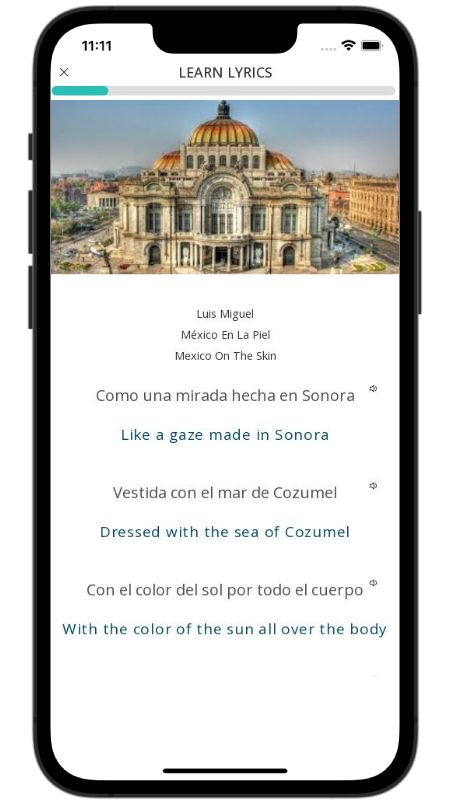
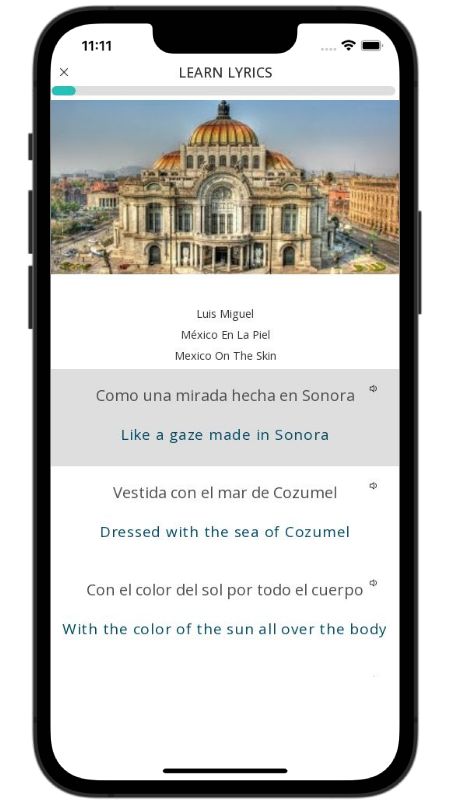
Luis Miguel takes you on an absolute cross-country road trip with this track, and he is not shy about showing love for his home country. Instead of vague patriotic slogans, the track packs in specific geographic pride. He moves from the ocean waters of Cozumel to the mountains of Chihuahua, checking off local craft traditions along the way: drawn thread embroidery (deshilados) in Aguascalientes, woven wool rugs in Teotitlán, and classic blankets (sarape) in Saltillo. He even contrasts musical styles across regions, pointing out that folk tunes roll with a wooden xylophone in the south ("En el sur se toca con marimba" [In the south it is played with marimba]) while northern beats lean on the accordion ("En el norte con acordeón" [In the north with accordion]).
What makes the song fun is how sensory it gets. Loving your country is not just an idea here; it is physical. The chorus repeats "Así te sabe México" (That is how Mexico tastes to you) and compares the whole experience to a lover's touch with "Así como los labios por la piel" (Just like lips on the skin). Between the mention of good local tequila and climbing Monterrey’s famous saddle-shaped mountain (Cerro de la Silla), the lyrics turn national pride into something you feel right under your skin.